



What is Animal Flow?
Imagine blending the mindfulness of yoga, the body control of gymnastics, and the playful power of animal movements into a single, dynamic workout. That's Animal Flow. It's a ground-based, bodyweight training system designed to improve strength, flexibility,
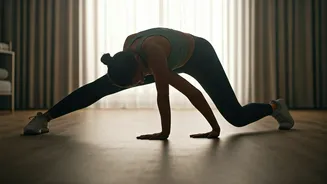
mobility, and coordination all at once. Unlike traditional weightlifting which isolates muscles, Animal Flow forces your entire body to work as an integrated unit. You'll move through a series of 'forms' and 'switches' that challenge your stability and control. The focus is on fluid, multi-planar movement, which is exactly how our bodies are designed to move in the real world. This is why it's called 'functional' mobility—it directly translates to better performance in sports and everyday activities, from picking up groceries to playing with your kids.
Why Take Your Workout Outdoors?
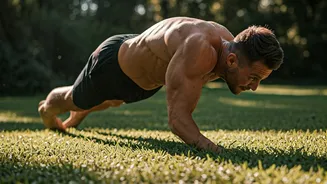
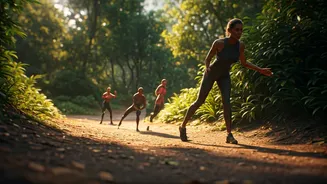
While you can practice Animal Flow anywhere, taking it outside elevates the experience. A grassy park or a sandy beach provides a natural, uneven surface that forces your stabiliser muscles to work harder, enhancing your balance and proprioception (your body's awareness of its position in space). The soft ground is also more forgiving on your joints than a hard gym floor. Beyond the physical benefits, exercising in nature has been repeatedly shown to reduce stress, improve mood, and boost mental clarity. Swapping fluorescent lights for sunshine and a repetitive playlist for the sounds of nature can transform your workout from a chore into a refreshing, invigorating experience. It helps you disconnect from technology and reconnect with your body and your environment.
The Beast: Your Foundational Stance
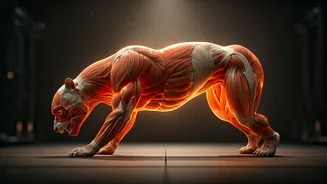
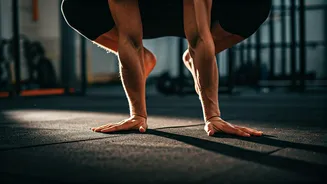
The Beast is the starting point for many Animal Flow movements. Mastering this position is key to building core stability. How to do it: Start on all fours with your hands directly under your shoulders and your knees under your hips. Tuck your toes under and lift your knees just an inch or two off the ground. Your back should be flat, like a tabletop. Engage your core by pulling your navel towards your spine. Keep your gaze slightly forward, not straight down, to maintain a neutral neck. Hold this position. You should feel your core, quads, and shoulders firing up. Initially, aim for 15-20 second holds, focusing on perfect form. Don't let your hips sag or rise too high.
The Crab Reach: Open Your Hips and Spine
This move is fantastic for improving thoracic (upper back) mobility and opening up your hips, areas that often get tight from sitting all day. How to do it: Sit on the ground with your knees bent and feet flat on the floor, about hip-width apart. Place your hands on the ground behind you, fingers pointing away from your body. Lift your hips off the ground into a 'crab' position. From here, lift your right hand off the ground. As you do, drive your hips up towards the sky and reach your right arm up and over your head, arching your back slightly. Look towards your left hand on the ground. You should feel a deep stretch through your right side, from your hip flexor to your lat. Lower your hips and arm back to the starting crab position with control, and then repeat on the left side. Perform 5-8 reps per side.
The Ape: Power and Agility
The Ape is a dynamic move that builds lower body power and teaches you to absorb force safely. It’s also incredibly fun. How to do it: Start in a deep squat position with your feet wider than your hips and your toes turned out slightly. Keep your chest up and your back straight. Place your hands on the ground just inside your feet. Now, shift your weight onto your hands and 'hop' your feet to one side, landing softly in another deep squat. Your hands will briefly lift off the ground as your feet land. Then, plant your hands again and hop back to the centre, and then to the other side. The movement should be light and controlled, not a heavy thud. Focus on landing softly on the balls of your feet. This move builds explosive power and lateral agility.
Putting It All Together
The real magic of Animal Flow happens when you start linking these movements. This is called creating a 'flow'. Start by holding a Beast position for 10 seconds. From there, you could transition by stepping one leg through to get into your Crab position, perform a Crab Reach, and then return to Beast. Or, from Beast, you could hop forward into an Ape squat. Don't worry about making it perfect at first. The goal is to explore the transitions and feel how your body moves from one position to the next. Start with just two movements and try to link them smoothly. As you get more comfortable, you can add more drills and create longer, more complex sequences.