



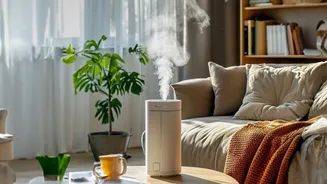

The Myth of the Purifying Plant
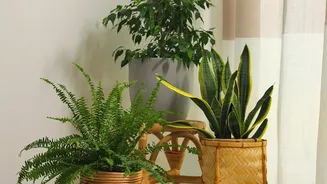
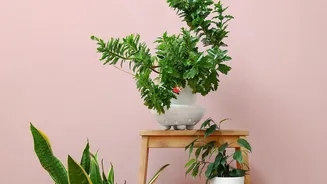
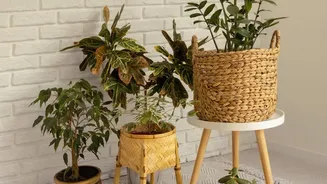
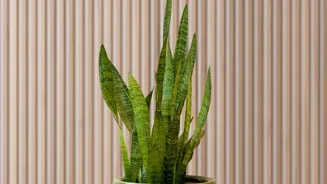
The belief that houseplants are tiny, natural air purifiers is widespread, and it all began with a famous NASA study from 1989. This research showed that plants in a small, sealed chamber could absorb harmful chemicals called volatile organic compounds
(VOCs) from the air. The study was exciting and led to countless articles praising plants like the snake plant and spider plant for their air-cleaning abilities. However, there's a huge catch: our homes are not small, sealed chambers like a space station. They have natural ventilation, with air constantly flowing in and out through windows, doors, and cracks. Subsequent research has shown that in a normal room, the air-purifying effect of a few plants is almost negligible. The rate at which plants remove toxins is far too slow to keep up with the constant introduction of new pollutants and air exchange in a typical home.
The Sheer Numbers Problem
To understand the scale of the issue, environmental scientists have calculated how many plants it would take to actually match the cleaning power of a single air purifier. The numbers are staggering. Depending on the size of the plant and the room, you would need anywhere from 10 to 1,000 plants per square meter of floor space to make a meaningful impact on air quality. For an average-sized living room, this could mean turning your home into an impassable jungle of hundreds or even thousands of plants. Clearly, this is not a practical solution for most households. While one or two plants might look lovely, they simply lack the capacity to filter the volume of air required to significantly reduce pollutants like dust, allergens, or smoke particles that plague many urban homes in India.
Enter the Air Purifier: A Mechanical Workhorse
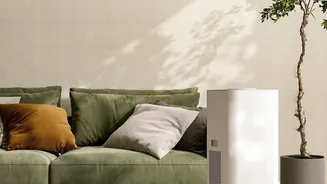
This is where air purifiers prove their worth. Unlike plants, which are passive, an air purifier is an active, mechanical system designed for one job: cleaning air. These devices work by pulling in the air from a room and forcing it through a series of filters. A high-quality purifier equipped with a HEPA (High-Efficiency Particulate Air) filter can physically trap 99.97% of airborne particles down to 0.3 microns in size. This includes common irritants like PM2.5 particles from pollution, dust, pollen, pet dander, and mould spores. Because it actively circulates the air in a room, a single purifier can process the entire volume of air multiple times per hour, something no plant can do. When it comes to removing particulate matter—the biggest concern for urban air quality—the air purifier is undeniably the heavyweight champion.
The Verdict: Efficiency Trumps Nature
When you put them head-to_head for the primary task of cleaning indoor air, the air purifier is the clear and undisputed winner. Its ability to rapidly and continuously filter out a high percentage of harmful particles is something that houseplants simply cannot match in a real_world home environment. However, this doesn't mean you should throw out your beloved plants. Their benefits are simply different. Houseplants are wonderful for boosting mood, reducing stress, adding a touch of nature to our indoor spaces, and even slightly increasing humidity. They contribute to our well_being in an aesthetic and psychological way that a machine cannot. Overwatering, however, can lead to mould in the soil, which can negatively affect air quality.