
Why Protein is Key for Muscle Repair
Whether you're a dedicated athlete or someone who enjoys regular physical activity, your muscles need to recover and rebuild after exercise. This process, known as muscle protein synthesis, relies heavily on protein. Proteins are made of building blocks
called amino acids. When you exercise, you create tiny micro-tears in your muscle fibres; protein provides the raw materials needed to repair this damage, making your muscles stronger over time. Without adequate protein, recovery can be slower, and you might not see the full benefits of your workouts. For vegetarians, the challenge is ensuring their diet provides all the necessary amino acids, especially the nine essential ones that the body cannot produce on its own.
The Science of 'Complete' Proteins
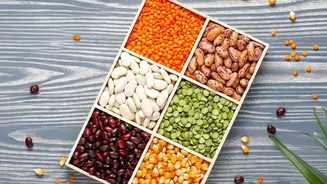
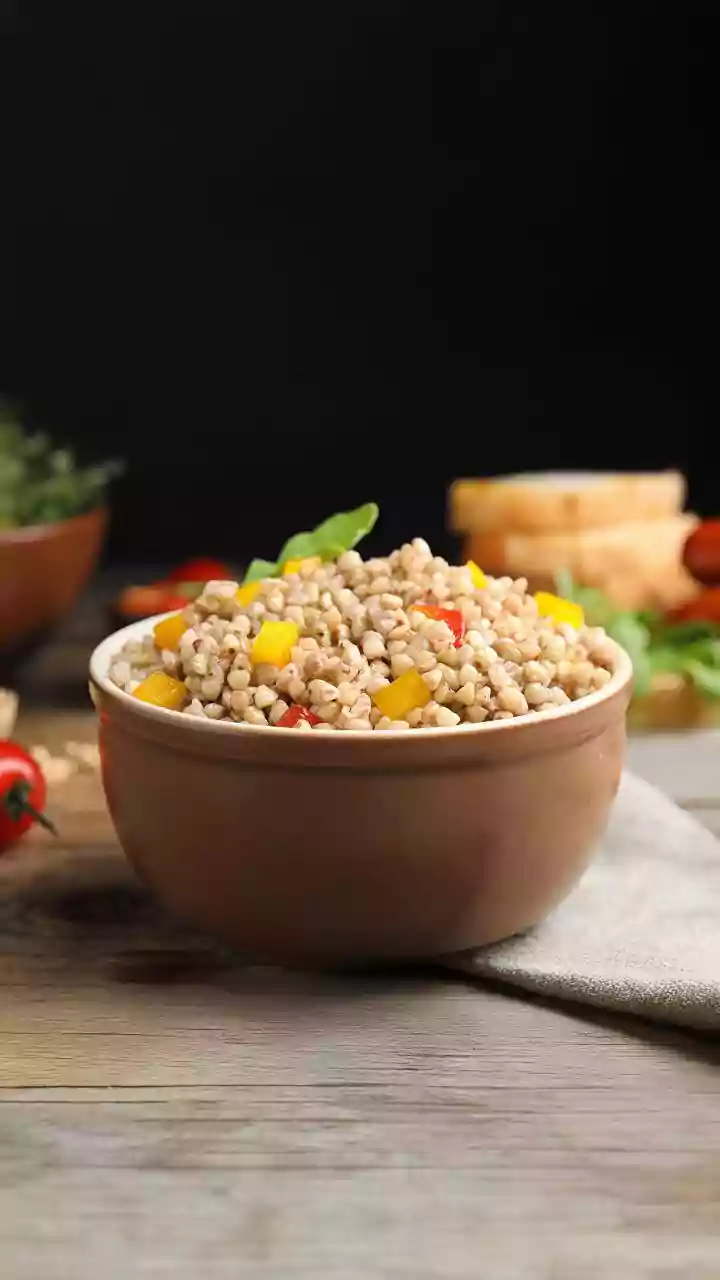
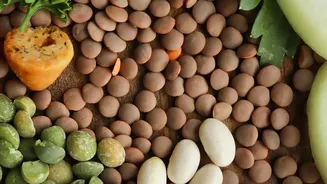
Animal-based foods like meat, eggs, and dairy are considered 'complete' proteins because they contain all nine essential amino acids in sufficient amounts. Most plant-based foods, however, are 'incomplete', meaning they are low in one or more of these essential amino acids. This is where the concept of complementary proteins becomes crucial for vegetarians. The two most important amino acids to consider in this context are lysine and methionine. Grains are typically low in lysine, while legumes (like beans, lentils, and chickpeas) are often low in methionine. By combining these two food groups, you can create a meal with a complete amino acid profile, giving your body everything it needs for effective muscle repair.
The Power of Pairing: How It Works
For years, it was believed that you had to eat complementary proteins in the same meal for your body to benefit. However, modern nutritional science has shown that this isn't strictly necessary. Our bodies maintain a 'pool' of amino acids, so as long as you consume a variety of plant-based proteins throughout the day, you can still meet your needs. That said, pairing grains and legumes in a meal is a simple and effective habit that ensures you're consistently getting a complete protein profile. This strategy is embedded in traditional cuisines worldwide, from dal with rice in India to beans with tortillas in Mexico. This classic combination ensures that the lysine from the legumes complements the methionine from the grains, creating a high-quality protein source.
Your Plate, Perfected in the Indian Kitchen
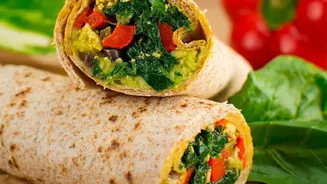
The Indian diet is naturally rich in dishes that perfectly combine whole grains and amino-rich legumes. These meals are not only delicious and culturally significant but also nutritionally brilliant for muscle support. Think of classics like Rajma Chawal (kidney beans with rice) or a simple plate of Dal Tadka with whole wheat roti. A breakfast of Moong Dal Chilla (savoury lentil pancakes) or Pesarattu provides a fantastic protein boost to start the day. Khichdi, a comforting mix of rice and lentils, is another excellent example of a complete protein meal that's easy on digestion. Even snacks can be optimised; hummus (made from chickpeas) paired with whole-wheat pita bread is another powerful combination. By embracing these traditional food pairings, you are naturally supporting your body’s recovery processes.
Beyond Grains and Legumes
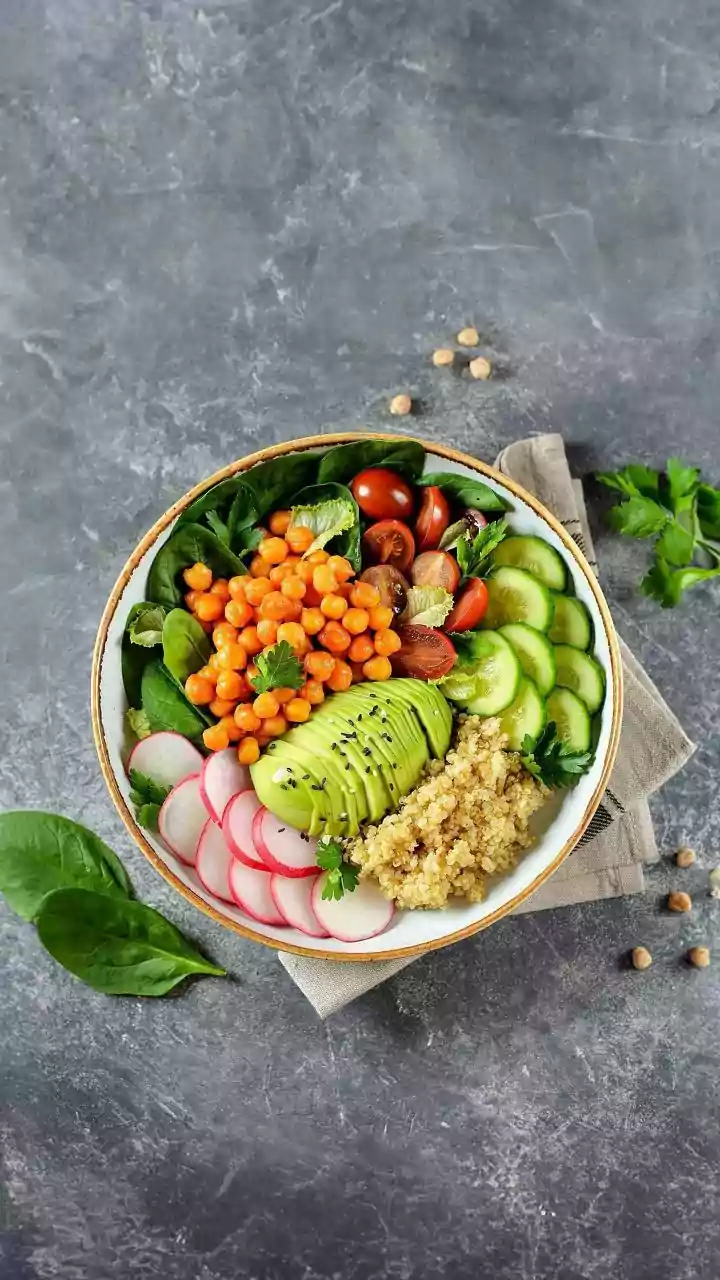
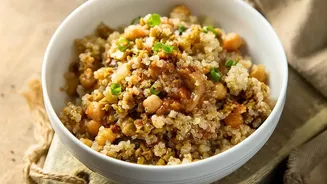
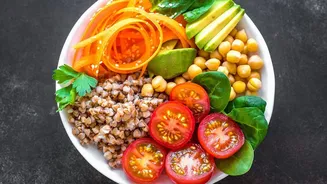
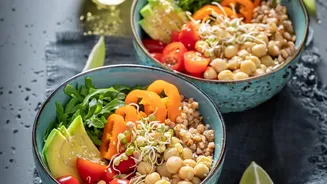
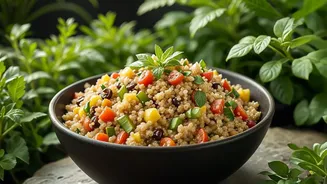
While the grain and legume combination is a cornerstone of vegetarian protein strategy, it's not the only way to get what you need. Some plant-based foods are complete proteins on their own. Quinoa, amaranth, tofu, tempeh, and edamame contain all nine essential amino acids. Integrating these foods into your diet adds variety and further supports your protein goals. For instance, a stir-fry with tofu and brown rice or a salad with quinoa and chickpeas can be excellent post-workout meals. Nuts and seeds can also complement legumes to form complete proteins, such as in a salad with chickpeas and sunflower seeds. For optimal muscle repair, aim to consume a protein-rich meal or snack within a couple of hours after your workout to replenish your amino acid stores and kickstart the recovery process.