







Flights and Visas: The First Hurdles
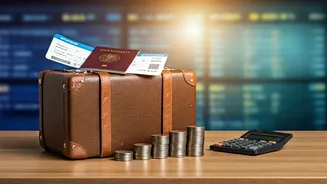
Your largest initial expense will likely be airfare. A round-trip flight from major Indian cities like Delhi or Mumbai to Tokyo can range from ₹45,000 to ₹90,000. Booking three to four months in advance, especially during shoulder seasons like late May
or November, can lead to significant savings. Thankfully, the visa process for Indian citizens is straightforward and affordable. While Japan recently increased visa fees for many nationalities, the cost for Indians remains just ₹500 for single or multiple-entry visas, plus a service charge of around ₹800.
A Roof Over Your Head: Accommodation Costs
Accommodation in Japan caters to every budget. For the most economical stay, hostels and capsule hotels are excellent choices, with nightly rates often between ₹1,800 and ₹4,200. Mid-range options, such as business hotels, are clean, efficient, and typically cost between ₹5,000 and ₹10,000 per night. These are often conveniently located near train stations. For those seeking a traditional experience, a night in a ryokan (traditional inn) can be a memorable splurge, though more budget-friendly family-run 'minshuku' offer a similar cultural immersion for less.
Eating Well Without Breaking the Bank
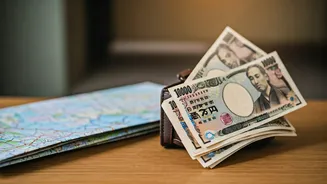
One of the biggest and most pleasant surprises for visitors is the affordability of high-quality food. A daily food budget can realistically be between ₹2,000 and ₹4,000 per person. You can enjoy delicious and filling meals at ramen shops, soba noodle houses, and curry joints for under ¥1,500. Convenience stores ('konbini') like 7-Eleven and FamilyMart are another budget-friendly goldmine, offering surprisingly tasty onigiri (rice balls), sandwiches, and bento boxes for just a few hundred yen.
Getting Around: The Transport Tangle
Japan's public transport is world-class but can be a significant cost. The Japan Rail (JR) Pass, which offers unlimited travel on most JR trains, saw a major price hike in late 2023. A 7-day pass now costs around ¥50,000 (about ₹28,000). This means the pass is no longer an automatic money-saver. For travellers on the popular 'Golden Route' (Tokyo-Kyoto-Osaka), buying individual Shinkansen (bullet train) tickets is often cheaper. For city travel, prepaid IC cards like Suica or Pasmo are essential for hopping on subways and buses. Regional passes can also offer great value if you're exploring one specific area, like Kansai.
The Long-Term Stay: Studying or Working
For those dreaming of a longer stay for education or work, the financial planning is different. Monthly living costs for an international student can range from ¥100,000 to ¥150,000 ($650–$1,000), excluding tuition. Rent is the biggest factor, with a small apartment in Tokyo costing ¥80,000-¥100,000 per month, compared to more affordable cities like Kyoto or Fukuoka. Tuition at national universities is comparatively affordable, averaging around $5,500 per year. Students can work part-time up to 28 hours a week, which can significantly help offset living expenses.
The Final Tally: A Sample Tourist Budget
So, what's a realistic total? For a comfortable 7 to 10-day trip, a budget of ₹1.5 lakh to ₹2.5 lakh per person is a reasonable target. This would cover flights, mid-range accommodation, daily food, local transport, and entry fees for several attractions. Budget travellers who opt for hostels and eat smartly at convenience stores and local eateries could manage a trip for closer to ₹1.2 lakh. Conversely, a luxury trip with high-end hotels and fine dining can easily exceed ₹3 lakh.