





Why Corn Husks?
Before we dive into the 'how,' let's talk about the 'why.' Corn husks, often discarded after we enjoy a delicious 'bhutta,' are a wonderful natural resource. They are completely biodegradable, meaning they won't sit in a landfill for centuries like plastic
toys. When sourced correctly, they are free from harmful chemicals, dyes, and plastics that can be present in many mass-produced pet products. For pets who love to chew, shred, and nest, the fibrous texture is incredibly satisfying. It’s an affordable, accessible, and earth-friendly alternative that taps into a tradition of using every part of the harvest.
DIY Toys: Braid, Knot, and Roll
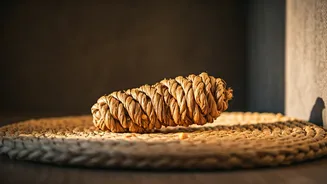
Creating your own pet toys from corn husks is incredibly simple. Start with clean, dry husks (ensure they are free from any pesticides or seasonings). For a simple chew toy, tightly roll a few husks together and tie them off at both ends with another strip of husk. You can also braid three long strips of husk together to create a sturdy pull toy for a small dog or a 'kicker' for a cat. For an even more engaging toy, tie a few knots along a single strip of husk. The bumpy texture will be irresistible. The crinkly sound and satisfying shreddability provide excellent sensory enrichment. Always supervise your pet with any new toy to ensure they don't swallow large pieces.
Natural Bedding and Nesting Material
For smaller pets like hamsters, guinea pigs, or rabbits, corn husks make an excellent addition to their habitat. Shredded or torn into strips, the husks provide a soft, absorbent, and dust-free nesting material. Unlike some commercial beddings, natural corn husks don't contain aromatic oils that can irritate a small animal's respiratory system. You can mix the shredded husks in with their usual bedding to add texture and encourage natural burrowing and nesting behaviours. It also makes for great compost after use, further closing the sustainable loop.
Enrichment Through Foraging
Turn snack time into a fun brain game. A simple corn husk can become a natural puzzle feeder. Take a large, flat husk and place a few of your pet's favourite dry treats in the centre. Fold the husk up around the treats to create a small parcel. The act of tearing, sniffing, and nudging the husk open to get the reward engages your pet's mind and satisfies their natural foraging instincts. This is a far more stimulating activity than simply eating from a bowl. This works wonderfully for dogs, rabbits, and even clever cats who enjoy a challenge.
Sourcing and Safety First
This is the most important step. Not all corn husks are created equal. Only use husks from organic, non-GMO corn that has not been treated with pesticides. If you’re getting them from a local farmer or market, ask about their growing practices. If you're using them from your own kitchen, make sure they are thoroughly washed and completely dried to prevent mould. Never use husks that have been cooked with butter, salt, or spices. Before giving any husk item to your pet, inspect it for sharp edges or any foreign material. While generally safe to chew, supervision is key to prevent your pet from ingesting large quantities, which could pose a digestive risk.