




In the constant juggle between a fast-paced life and the desire for nutritious meals, a quiet revolution is happening in Indian kitchens. Ancient superfoods, millets, are making a comeback, not as slow-cooked porridges, but as modern, instant solutions.
The Modern Dilemma: Time vs. Nutrition
For many urban Indian professionals and families, the morning rush and packed workdays often mean breakfast and lunch are compromised. The choice frequently boils down to something quick but unhealthy, or something nutritious but time-consuming. Traditional Indian meals, rich in flavour and health, can take hours to prepare. This gap has created a growing demand for food that is both convenient and genuinely good for you, moving beyond empty calories to offer wholesome, guilt-free sustenance.
Enter the Ancient Super Grain
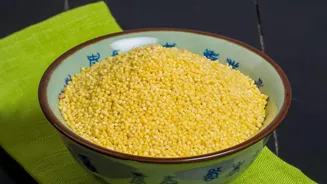
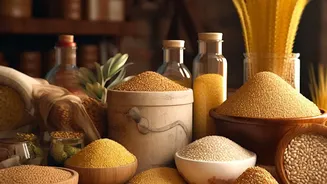
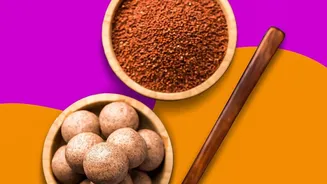
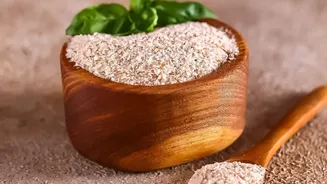
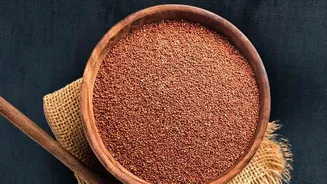
Millets, once a staple across India, are stepping back into the spotlight. These 'nutri-cereals' like jowar, bajra, and ragi are nutritional powerhouses. Naturally gluten-free, they are packed with protein, fibre, and essential minerals. Their low glycemic index helps in managing blood sugar levels, making them an excellent choice for a balanced diet. Recognising their potential for food security and health, there has been a significant push from government bodies and health experts to reintegrate these climate-resilient crops into the national diet, building on the momentum from the International Year of Millets.
The Innovation Wave in a Packet
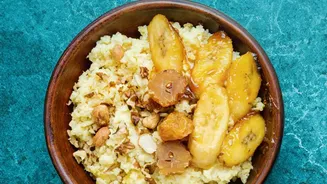
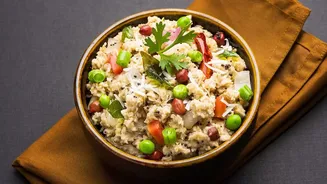
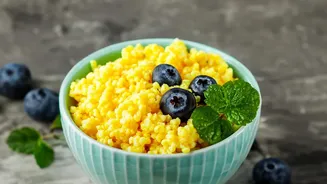
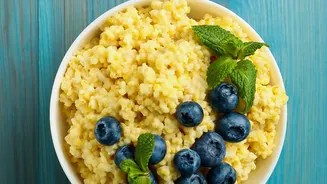
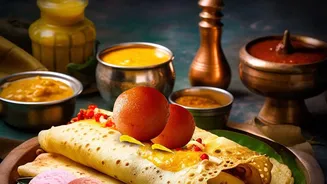
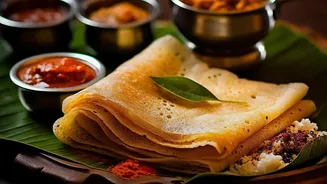
Food innovators and startups across the country have risen to the challenge, transforming these humble grains into an exciting range of ready-to-cook and ready-to-eat products. The market now offers an array of options that fit seamlessly into a busy schedule. Think instant millet upma, poha, and khichdi that are ready in minutes by just adding hot water. For breakfast, you can find millet dosa and idli mixes, oat-like flakes, and nutritious porridge blends. Lunch gets an upgrade too, with options like millet noodles, pasta, and even heat-and-eat biryani. Brands are focusing on making these products appealing by retaining traditional flavours while offering modern convenience.
The Technology Behind the Transformation
So how do you make a traditional grain 'instant' without sacrificing its goodness? The magic lies in modern food processing technology. Techniques like pre_cooking, steaming, and flaking reduce the final cooking time for the consumer. Advanced dehulling and milling processes are designed to retain the maximum amount of nutrients, especially the fibre_rich bran. The lack of gluten in millets presents a challenge, particularly for products like noodles, but innovators overcome this by using processes like controlled extrusion at high temperatures, which helps bind the dough. Many of these products are made without artificial preservatives, using natural ingredients and smart packaging to ensure a shelf life of several months, appealing to the clean_label conscious consumer.
More Than Just a Quick Meal
This trend is about more than just convenience; it represents a meaningful shift in consumption patterns. By choosing these innovative millet products, consumers are not only making a healthier choice for themselves but also supporting a larger ecosystem. The rising demand for millets provides a stable source of income for farmers cultivating these climate_resilient crops, which require less water and can grow in arid conditions. It fosters a connection between urban consumers and sustainable agricultural practices, helping revive a grain that is deeply rooted in India's heritage.