





A Laboratory Like No Other
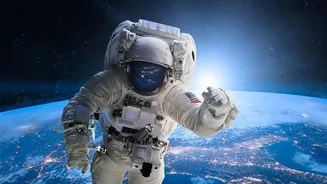
Space is the ultimate hostile environment. Beyond the dangers of radiation and the vacuum, the absence of gravity, or microgravity, triggers a cascade of changes in the human body. Fluids shift towards the head, leading to vision problems and a stuffy
feeling. The heart doesn't have to work as hard to pump blood, and muscles, no longer needing to support weight, begin to waste away. Bones lose density at a dramatically accelerated rate—about 1% to 1.5% per month, compared to the 1% per decade seen in older adults on Earth. In essence, the body of a healthy astronaut in space begins to mimic the effects of accelerated aging and prolonged illness. While this poses significant challenges for future long-duration missions, it also presents a unique opportunity for medical research that the ISRO-AIIMS partnership aims to leverage.
Solving the Puzzle of Bone and Muscle Loss
One of the most critical areas of study for the collaboration is musculoskeletal health. The rapid bone and muscle loss experienced by astronauts is strikingly similar to osteoporosis and sarcopenia (muscle atrophy) seen in the elderly or in patients on long-term bed rest. By studying these changes in healthy astronauts, scientists can gain invaluable insights into the underlying mechanisms of these conditions. The research aims to develop effective countermeasures, such as specialised exercise regimens and nutritional strategies, for our Gaganyatris. The knowledge gained and technologies developed to monitor and prevent bone demineralisation and muscle weakening in space could be directly adapted to create better therapies for osteoporosis patients and improve rehabilitation protocols for immobile patients on Earth.
New Insights into Heart and Balance
The cardiovascular system also undergoes significant adaptation in space. The heart muscle can shrink slightly, and the body's ability to regulate blood pressure can be affected upon return to a gravity environment. This condition, known as orthostatic intolerance, can cause dizziness and fainting. The ISRO-AIIMS collaboration will focus on cardiovascular and autonomic regulation, studying these shifts in detail. This research could lead to a better understanding of cardiovascular deconditioning on Earth, relevant for patients recovering from heart conditions or those with autonomic nervous system disorders. Similarly, studying the effects of microgravity on balance and coordination, which are managed by the neurovestibular system, can offer new perspectives on treating balance disorders that affect millions globally.
Technology for the Final Frontier and a Healthier India
Keeping astronauts healthy millions of kilometres from the nearest hospital requires a revolution in medical technology. This includes developing compact, durable, and highly automated medical devices for monitoring, diagnosis, and treatment. The partnership between ISRO and AIIMS will focus on creating these next-generation tools. This drive for miniaturisation and remote operation has a powerful secondary benefit: telemedicine. The same technologies that allow a doctor in Bengaluru to monitor an astronaut's vitals in orbit can be used to connect specialists at AIIMS with patients in remote villages across India. Portable diagnostic tools, advanced sensors, and robust telehealth platforms developed for Gaganyaan could revolutionise rural healthcare, making specialist medical advice more accessible and affordable for the nation.