
The Bioavailability Hurdle
First, let's talk about a concept called “bioavailability.” It sounds complex, but it simply refers to how much of a nutrient your body can actually absorb and use from the food you eat. Not all nutrients are created equal in this regard. Plant-based
diets are packed with goodness, but some of their essential minerals, particularly iron, come in a form that is harder for our bodies to absorb. This form is called non-heme iron. Animal products contain what's known as heme iron, which is absorbed more readily. This doesn't mean vegetarians are destined for deficiency; it just means a little extra knowledge can go a long way in building a better meal. Research shows vegetarians are no more likely to have iron-deficiency anaemia than meat-eaters, largely because well-planned vegetarian diets can be very effective.
Vitamin C: Your Nutrient Co-pilot
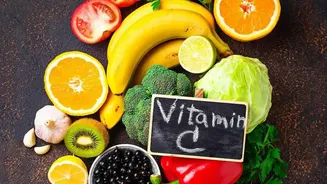
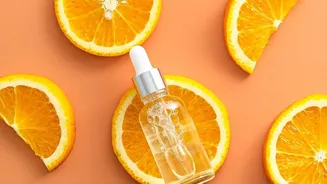
This is where Vitamin C, also known as ascorbic acid, steps in as a hero. Its most well-documented superpower in this context is its ability to dramatically increase the absorption of non-heme iron. It works by converting the plant-based iron into a form that your intestines can absorb much more easily—some studies suggest it can boost absorption by up to five times. By helping your body get the iron it needs, Vitamin C ensures you have a crucial component for making red blood cells, which transport oxygen throughout your body. This process is fundamental to maintaining energy levels, healthy brain function, and a strong immune system.
The Connection to Protein
So, how does this relate directly to protein? The headline points to a synergistic relationship, and it's an important one. While Vitamin C is vital for the biosynthesis of certain proteins like collagen, its primary role in a meal is not to directly increase the absorption of protein blocks (amino acids) themselves. Instead, it plays a critical supporting role. By ensuring your body has adequate iron, Vitamin C helps create the optimal internal environment for your body to thrive. When your body is well-supplied with iron and has plenty of oxygen-rich blood, it can more effectively perform all its functions, including repairing and building tissues with the protein you consume. Think of it this way: Vitamin C gets the iron-delivery trucks on the road, so the protein building blocks have the energy and resources they need to get to the construction site.
Simple Food Pairings for Your Plate
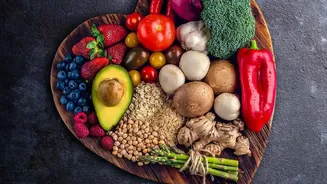
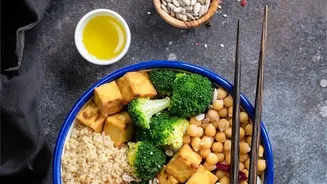
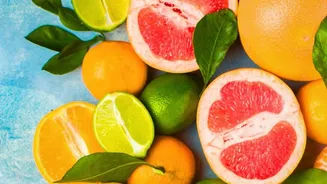
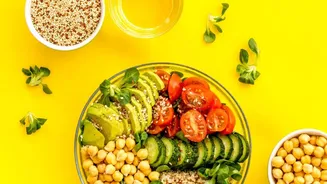
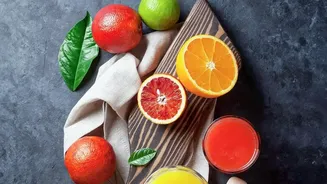
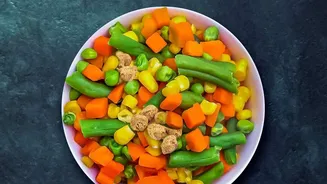
Putting this science into practice is both easy and delicious. The goal is to combine your plant-based protein and iron sources with a food rich in Vitamin C in the same meal. The great news is that many culinary traditions already do this naturally. Here are some powerful and simple combinations to try: Lentil Soup with a Squeeze of Lemon: Lentils are an iron and protein powerhouse. A fresh squeeze of lemon juice just before serving adds a bright flavour and a dose of Vitamin C.; Tofu or Chickpea Stir-fry with Bell Peppers: Tofu and chickpeas provide quality protein, while colourful bell peppers are loaded with Vitamin C. Add some broccoli for an extra boost.; Spinach Salad with Strawberries or Oranges: The iron in spinach is better absorbed when paired with the Vitamin C from citrus fruits or berries in a salad.; Beans and Salsa: Whether it's a bean burrito or a bowl of chilli, adding tomato-based salsa provides a perfect Vitamin C pairing for the iron in the beans.
What to Keep in Mind
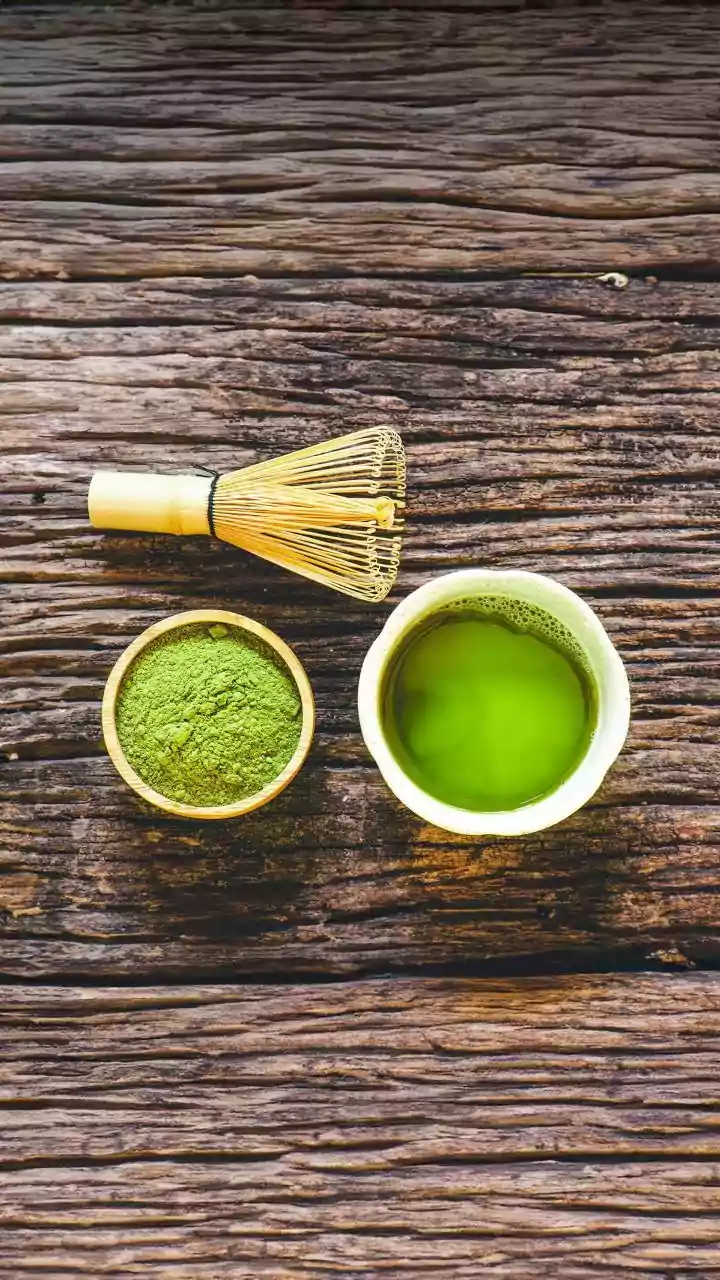
Just as Vitamin C can help, certain compounds can hinder non-heme iron absorption. Tannins, found in tea and coffee, can interfere with the process. This doesn’t mean you have to give up your favourite brew, but it’s wise to avoid drinking tea or coffee with your main, iron-rich meals. Try to leave a gap of at least an hour before or after eating to maximize your nutrient uptake. By being mindful of these simple pairings and timings, you empower your body to get the most from the healthy, wholesome foods you choose to eat every day.