
The Problem with Mass-Market Butters
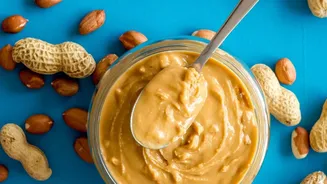
For decades, the nut butter on most supermarket shelves came with a compromise. To make the product shelf-stable and prevent the natural oils from separating, many large-scale manufacturers add hydrogenated or partially hydrogenated vegetable oils. This
process, which adds hydrogen to liquid oils to make them solid, creates trans fats. Health experts have long warned about the dangers of trans fats, which are known to raise bad LDL cholesterol, lower good HDL cholesterol, and increase the risk of heart disease. These additives, along with extra sugars and preservatives, turn a potentially healthy, protein-rich food into something far less beneficial.
A Cooler Way to Make Butter
Enter cold-milling. This technique, often using stone grinders, processes nuts and seeds at a very low temperature. Unlike conventional high-speed industrial grinding which can generate heat and destroy delicate nutrients, cold-milling gently crushes the ingredients. This method helps preserve the natural vitamins, minerals, and healthy oils present in the nuts and seeds, resulting in a more nutrient-dense final product. It also ensures a better, more authentic flavour, which means there is no need to add artificial flavour enhancers. The result is a pure, clean butter where the main ingredient is allowed to shine.
The New Wave of Clean Butters
This shift towards cleaner ingredients is being led by a wave of youth-led startups across India. Brands like Alpino, The Butternut Co., Jus' Amazin, and Happy Jars were founded by young entrepreneurs who saw a gap in the market for genuinely healthy and trustworthy products. Many of these founders started their journey from a personal need for better food options, free from allergens, preservatives, and unhealthy fats. Their mission is clear: to offer products where the ingredient list is short and simple, often just 'peanuts' or 'almonds' and nothing else. This focus on clean labels has resonated with a growing number of health-conscious Indian consumers.
Beyond Peanut: A World of Flavour
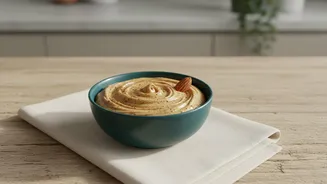
These new brands aren't just cleaning up the ingredients; they are also revolutionising the flavours. The market is now exploding with creative combinations that go far beyond plain peanut. You can find almond, cashew, and pistachio butters, as well as multi-seed butters made from pumpkin, sunflower, and flax seeds. Furthermore, startups are infusing these butters with distinctly Indian spices and superfoods. Brands like Native Tongue offer variants like Golden Almond Butter with Lakadong Turmeric and Peanut Butter with Byadagi Chilli. Others are experimenting with pairings like thandai spice mixes, mango, and even coffee, turning a simple spread into a gourmet experience.
How to Choose a Better Butter
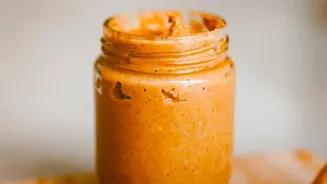
With so many new options, how do you pick the right one? The first step is to ignore the front of the label and head straight to the ingredients list. Look for butters with one or two ingredients, like roasted nuts and maybe a pinch of salt. If you see 'hydrogenated oil,' 'palm oil,' 'glucose syrup,' or a long list of chemicals you can't pronounce, put it back on the shelf. A natural nut butter will have oil separation at the top of the jar; this is a good sign. It means no artificial stabilizers or emulsifiers have been added. Just give it a good stir, and it’s ready to enjoy.