





More Than Just a Substitute
First, let’s get one thing straight: plant-based fusion is not about sad, soggy veggie burgers or blandly pretending a block of tofu is paneer. At its heart, this movement is a celebration of creativity. It’s about taking the core principles, techniques,
and flavour profiles from two or more distinct culinary traditions and merging them to create something entirely new and exciting—all without relying on meat or dairy. Think of a classic Italian pasta dish, but the sauce is a creamy, spicy Makhani gravy. Or imagine crispy Korean fried chicken, but made with cauliflower florets tossed in a sweet and spicy gochujang glaze. This isn't about substitution; it's about reinvention. The goal isn't to mimic meat but to champion the delicious potential of vegetables, legumes, and grains by giving them a global stage.
The Quest for Maximum Flavour
One of the biggest reasons for the success of plant-based fusion is that it directly addresses the old complaint that vegetarian or vegan food can be one-dimensional. How? By borrowing flavour-building secrets from across the globe. Cuisines like Japanese, Thai, and Korean are masters of umami—that savoury, deeply satisfying fifth taste. By incorporating ingredients like miso paste, soy sauce, nutritional yeast, and fermented foods, cooks can build a depth of flavour that people often associate with meat. Similarly, the complex spice blends from Indian, Mexican, and Middle Eastern cuisines can transform simple ingredients. A humble lentil, for example, becomes the star of a 'Bolognese' sauce when simmered with Italian herbs and a touch of Indian garam masala. This approach prioritises taste above all, proving that you don’t need animal products to create a rich and memorable meal.
A Feast for the Eyes
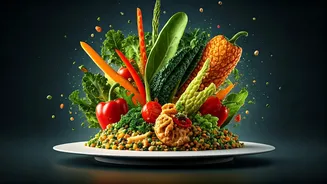
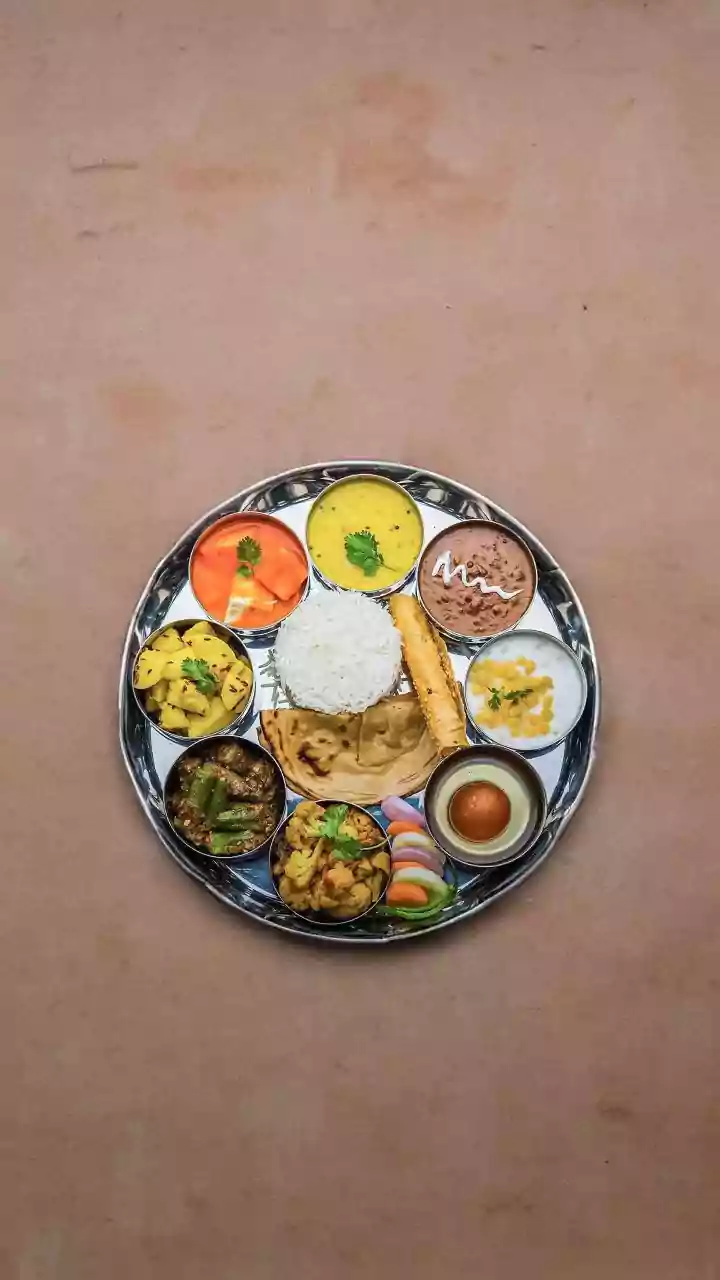
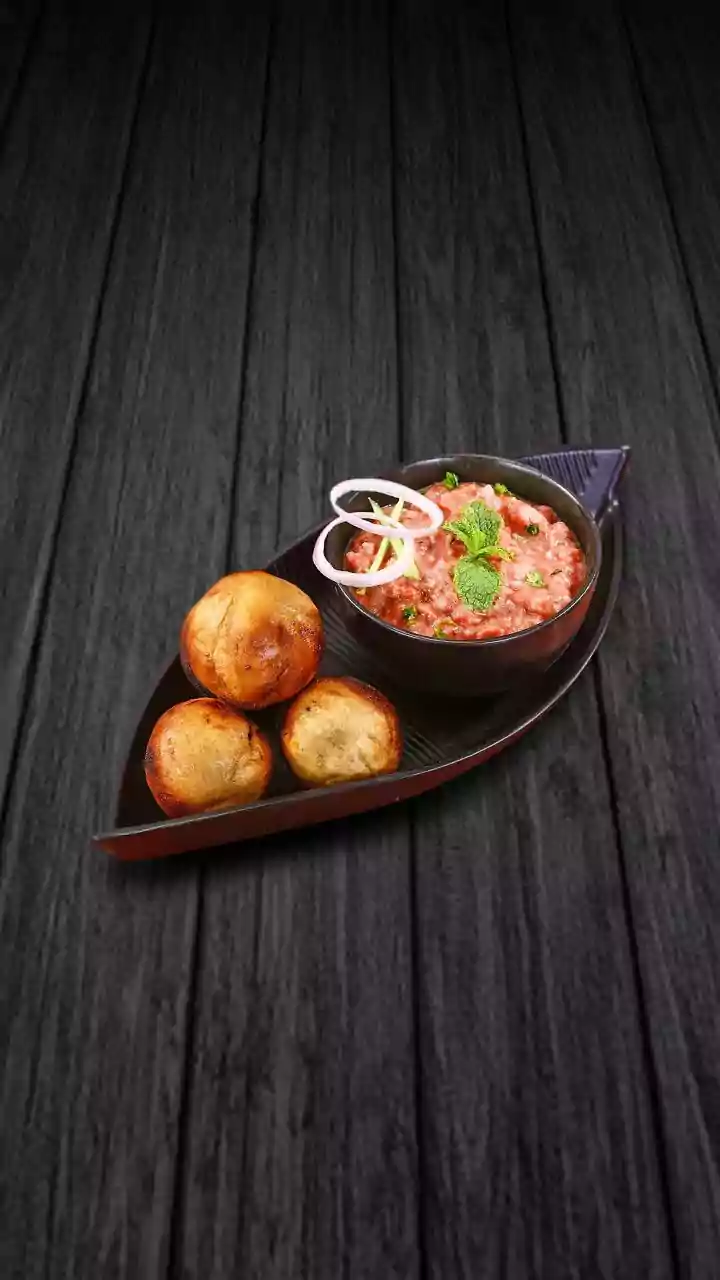
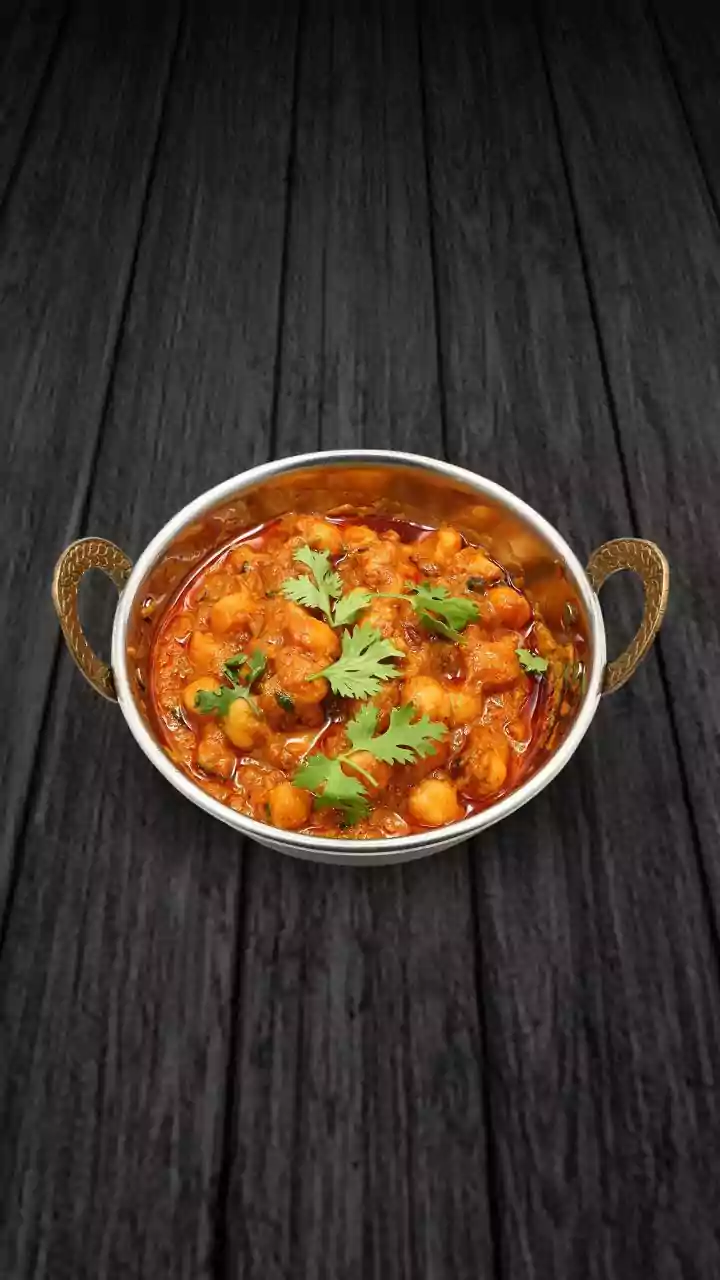
We eat with our eyes first, and nowhere is this truer than on Instagram and TikTok. Plant-based fusion dishes are, simply put, gorgeous. The format encourages a vibrant palette of colours that meat-heavy dishes often lack. Think of the bright green of a cilantro-mint chutney drizzled over a Mexican-inspired sope, the deep red of a beetroot-based kebab, or the golden-orange hue of a turmeric-spiced Thai curry. This visual appeal is practically designed for social media success. A beautifully plated bowl of 'butter chicken' made with chickpeas or a colourful platter of sushi rolls filled with spiced avocado and mango is far more likely to get likes, shares, and saves. This digital word-of-mouth creates a powerful feedback loop: the more people see these stunning dishes, the more they’re inspired to try making them, and the more the trend grows.
Global Palates, Local Roots
The internet and easier travel have given us a generation of foodies with truly global palates. We're more familiar with international flavours than ever before, and we’re eager to experiment. Plant-based fusion empowers home cooks to do just that, often using ingredients that are readily available. You don't need to source an expensive cut of meat to make a dish inspired by Mexican street food; you can use local jackfruit or mushrooms. Many of India’s regional cuisines are naturally plant-forward, providing a perfect base for fusion. A traditional dosa can be filled with spicy kimchi and stir-fried vegetables, or a classic pav can be stuffed with a Thai-style basil 'keema' made from soya granules. It’s a way of participating in global food culture while celebrating the versatility of local, plant-based produce.
Conscious Eating Becomes an Adventure
Underlying this entire trend are the growing movements towards healthier living and environmental sustainability. More people are actively looking to reduce their meat consumption, whether for health, ethical, or environmental reasons. However, no one wants to feel like they are making a sacrifice. Plant-based fusion reframes this choice. Instead of being about restriction, it becomes an exciting culinary adventure. It gives people a positive, creative, and delicious reason to put plants at the centre of their plate. It’s not about giving something up; it's about discovering a whole new world of flavour combinations that are better for you and the planet.