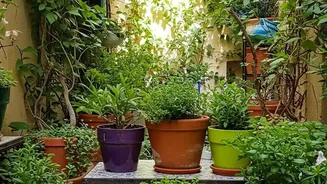




Your desert plants might seem invincible, basking on your sun-drenched balcony. But the intense heat and unique conditions of a balcony can be surprisingly harsh, meaning even these hardy survivors need a closer watch during summer.
Your Balcony Is an Extreme Microclimate
A balcony is not the
same as a ground-level garden; it's a unique microclimate. Surrounded by concrete, glass, and brick, balconies absorb and radiate heat, creating temperatures significantly hotter than the surrounding air. This effect is amplified on south or west-facing balconies that receive direct, intense sun. Furthermore, elevated positions are often windier, which speeds up moisture evaporation from both the soil and the plant's leaves. This combination of reflected heat and drying wind means that potted plants on a balcony can dry out much faster than their counterparts in a garden.
Rethinking 'Drought-Tolerant'
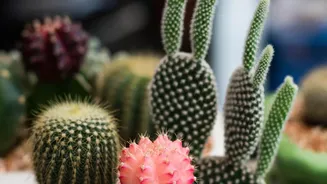
The term 'drought-tolerant' is often misunderstood as 'no-water'. While desert plants like succulents and cacti are brilliantly adapted to survive with less water, they are not immune to dehydration. These plants store water in their fleshy leaves and stems to endure dry spells, but they are not indestructible. In fact, summer is often their active growing season, when they need adequate moisture to thrive. The misconception that they require almost no water is the reason many languish during intense heatwaves, especially when confined to a pot on a hot balcony.
Spotting the Signs of Thirst
Instead of watering on a rigid schedule, learn to read your plants. An underwatered succulent will give you clear visual cues. The leaves, which are normally plump and firm, will start to look wrinkled, shriveled, or deflated as the plant uses up its internal water reserves. They may feel soft to the touch, but not mushy or translucent, which is a sign of overwatering. In some cases, the bottom leaves may dry out and become crispy, or the plant may even start growing aerial roots from the stem as it desperately seeks moisture from the air. If you notice these signs, it's a clear signal your plant is thirsty.
The Correct Way to Quench
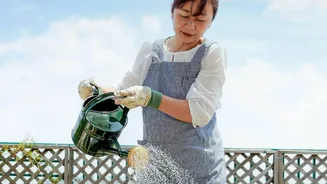
When your desert plants do need water, the method is crucial. Avoid light, frequent sprinkling, which only wets the top layer of soil and encourages a weak, shallow root system. The best approach is the 'soak and dry' method. Water the plant thoroughly until water runs freely from the drainage hole at the bottom of the pot. This deep watering encourages roots to grow strong and deep. After soaking, allow the soil to dry out completely before you even consider watering again. You can check this by sticking your finger two inches into the soil; if it feels dry, it's time to water. If there's any dampness, wait another day or two and check again.
A New Checking Cadence
So how often is 'more frequent'? During cool months, you might check your succulents every few weeks. But in the peak of summer, especially during a heatwave, you should increase the frequency of your checks, not necessarily your watering. Start checking the soil dryness every 5 to 7 days. For plants on a very hot, sun-blasted balcony, you may even need to check every few days. The key is to shift from a calendar-based schedule to an observation-based one. The hotter and windier the conditions, the more frequently you'll need to assess the soil. This attentive approach prevents both underwatering and the far more dangerous risk of root rot from overwatering.