



Money Plant
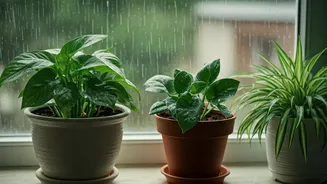
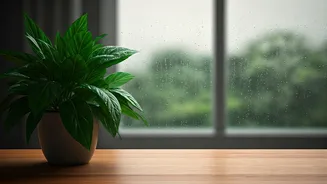
Arguably one of the easiest plants to grow in India, the Money Plant (Pothos) truly comes into its own during the monsoon. These fast-growing vines adore the high humidity and indirect light typical of the rainy months. Their resilience to humid weather
makes them less prone to rot, and they are incredibly forgiving, making them perfect for beginners. You can grow them in soil or even just a bottle of water. For best results, provide a well-draining soil mix to prevent any chance of waterlogging, and watch as its heart-shaped leaves add a vibrant touch of green to your indoor spaces or balconies.
Peace Lily
Known for its elegant white blooms and glossy dark green leaves, the Peace Lily is another plant that flourishes in a humid environment. The monsoon season provides the exact conditions this plant loves, making its foliage appear even more lush and healthy. Peace Lilies are excellent indoor plants as they tolerate lower light levels, but a spot with bright, indirect sunlight is ideal. While they prefer consistently moist soil, it's crucial to ensure your pot has excellent drainage to avoid root rot, a common issue during the rains.
Snake Plant
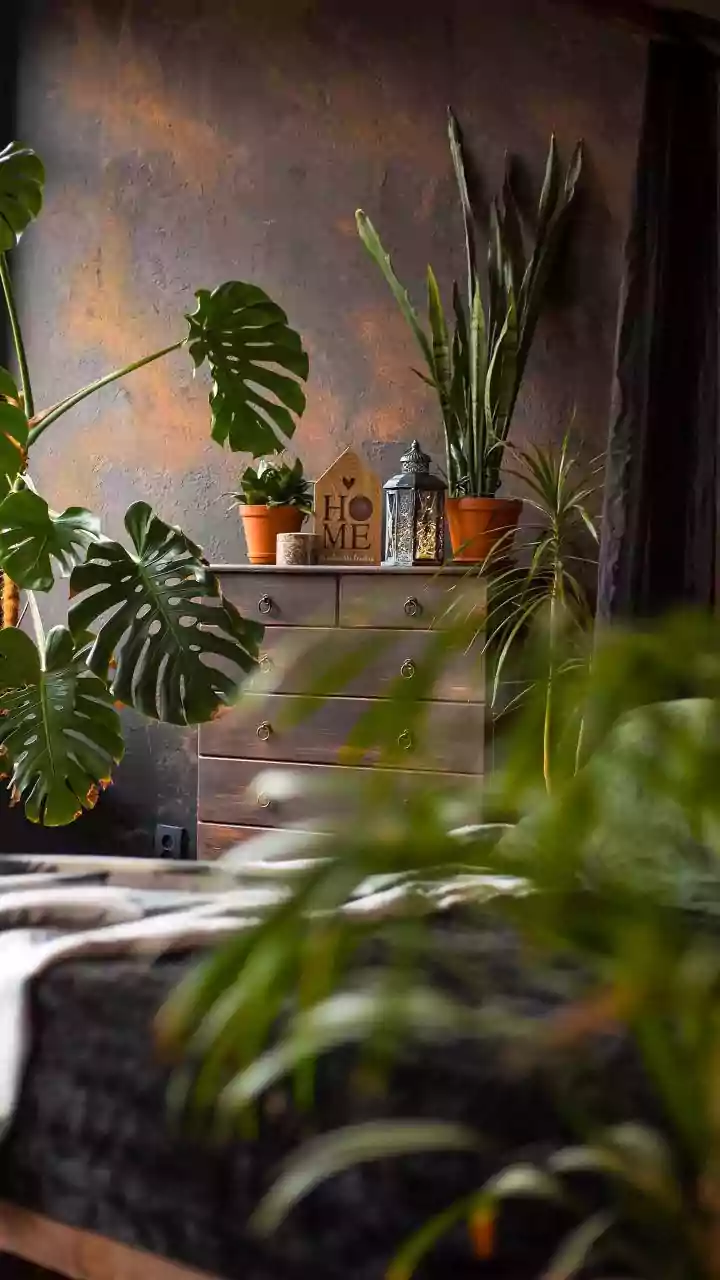
The Snake Plant is renowned for its near-indestructible nature, and it handles the monsoon with ease. While it is famously drought-tolerant, it also survives different weather conditions, including the high humidity of the rains. Its architectural, upright leaves make a strong style statement in any home. The key to keeping a Snake Plant happy during the monsoon is to be extra cautious with watering. The soil should be allowed to dry out completely between waterings, as its succulent-like leaves store water, making it highly susceptible to overwatering.
Hibiscus
For those who want vibrant blooms, the Hibiscus is a fantastic choice for monsoon gardening. These tropical shrubs produce large, colourful flowers and tend to bloom profusely during the rainy season, thanks to the increased moisture and cooler temperatures. While they love the rain, they must be planted in well-draining soil to prevent waterlogging, which can harm the roots. A spot with plenty of morning sun is ideal. A light pruning in the early monsoon can encourage more flowers and help shape the plant.
Zinnia
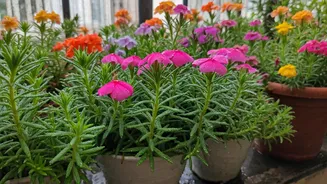
If you want to add a splash of cheerful colour to your garden or balcony, Zinnias are an excellent option. These flowers are considered one of the monsoon's best friends. They are easy to grow from seed and come in a wide spectrum of colours, from bright reds and oranges to pinks. Zinnias are relatively low-maintenance, but they do love the sun. Ensure they get several hours of direct sunlight and are planted in well-drained soil. Their bright, daisy-like flowers are also a magnet for butterflies, adding more life to your garden.
Ferns
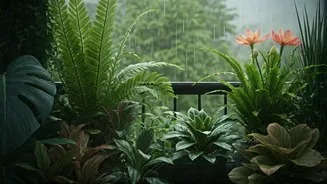
Ferns are the quintessential foliage plants for a lush, green look, and they absolutely thrive during the monsoon. Species like the Boston Fern or Maidenhair Fern love high humidity, indirect light, and consistent moisture—all of which are abundant during the rains. They are perfect for shaded balconies or as indoor plants in bathrooms and kitchens where humidity is naturally higher. The key to success with ferns is to keep them out of direct sunlight, which can scorch their delicate fronds, and ensure good air circulation to prevent fungal issues.
Balsam
A traditional favourite in Indian gardens, Balsam (Gul-Mehandi) is a true monsoon flower. These plants produce beautiful flowers in shades of pink, purple, red, and white, and they grow quickly and easily during the rainy season. Balsam plants love the moist conditions but, like many others, still require good drainage. They perform well in both containers and garden beds. One of the joys of growing Balsam is that they often self-seed, meaning you may see new plants popping up on their own the following year.