





Why Seasonal Makes Sense
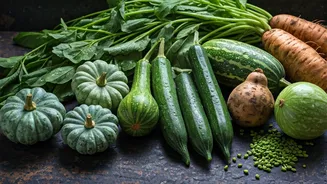
The monsoon is notorious for water-borne diseases and weakened digestion. Eating seasonal vegetables is one of the easiest ways to fortify your body. These vegetables are at their freshest, most nutrient-dense, and are easier for your system to process.
They are packed with antioxidants, vitamins, and fibre that help build immunity, improve gut health, and keep you feeling light and energetic, counteracting the lethargy that often accompanies grey, rainy days. Moreover, choosing seasonal produce means it's typically more affordable and has a smaller carbon footprint, making it a smart choice for your health and your wallet.
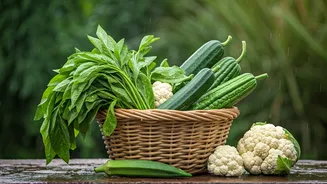
Bottle Gourd (Lauki)
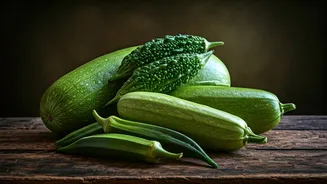
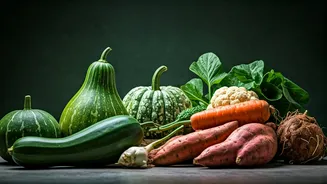
Often dismissed as bland, lauki is a monsoon superstar. With a water content of over 90%, it's incredibly hydrating and exceptionally easy on the stomach. It's rich in soluble and insoluble fibre, which aids digestion and prevents constipation—a common issue during this season. Lauki is also a good source of Vitamin C, B vitamins, and iron, helping to keep your energy levels stable. Its cooling properties help manage acidity. Forget boring preparations; try it in a flavourful kofta curry, a spiced sabzi with chana dal, or even add it to your morning smoothie for a hidden nutritional punch.
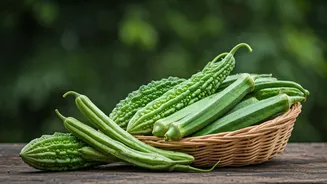
Bitter Gourd (Karela)
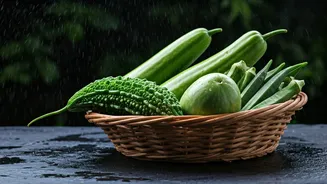
The name says it all, but don't let its assertive flavour deter you. Karela is a powerhouse of health benefits, especially during the monsoon. It's loaded with antioxidants and vitamins A and C, which are crucial for a strong immune system. Its known antiviral and antibacterial properties can help the body ward off infections that are common during the rains. For those managing blood sugar, its ability to help regulate glucose levels is a well-known bonus. To make it more palatable, you can salt it and let it rest before cooking to draw out some bitterness, or try stuffing it with a spicy masala mix before pan-frying.
Pointed Gourd (Parwal)
Parwal is another humble vegetable that truly shines in the monsoon. It is rich in fibre, which helps keep your gut clean and functioning optimally. According to Ayurveda, it’s excellent for balancing Kapha dosha, which can get aggravated during the rainy season, leading to colds and coughs. It's packed with Vitamins A and C, antioxidants that fight off free radicals and bolster your body's defences against seasonal illnesses. A simple parwal ki sabzi, stir-fried with potatoes or made into a rich, comforting gravy, is a perfect healthy meal for a rainy day.
Indian Squash (Tinda)
Tinda, also known as round gourd, is light, easy to digest, and particularly beneficial during the monsoon when our digestive fire (agni) is considered weaker. It has anti-inflammatory properties and is a great source of antioxidants that help keep infections at bay. Its high water content contributes to hydration, while its fibre ensures smooth digestion. This versatile vegetable can be stuffed with spices, added to curries, or simply cooked with tomatoes and ginger for a quick and wholesome dish that won't weigh you down.
A Note on Preparation
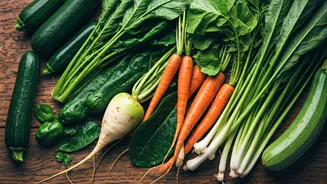
During the monsoon, hygiene is paramount. The high moisture in the air can lead to faster spoilage and the growth of germs on produce. Always wash your vegetables thoroughly, preferably in lukewarm water with a pinch of salt or a splash of vinegar. Avoid eating raw vegetables in salads; it's safer to steam, boil, or cook them well to kill any potential pathogens. This is especially true for leafy greens like spinach and fenugreek, which can harbour dirt and worms. If you do eat them, ensure they are sourced from a reliable vendor, washed meticulously, and cooked completely.