


From Burnout to Being
For years, wellness travel often mirrored the high-pressure, productivity-obsessed culture it was meant to provide an escape from. It was about optimising the self, with intense itineraries and strict routines that could feel more like a boot camp than
a restorative break. Travellers returned home with bragging rights about their detox, but were often just as exhausted as when they left. This model is being replaced by a philosophy that champions something far more radical: genuine rest. The new era of wellness travel isn’t about 'doing' more, but about 'being' more—fully present, unhurried, and deeply connected to the experience.
What Exactly Is Slow Wellness Travel?
At its heart, slow wellness travel is the antidote to the checklist mentality. It’s about quality over quantity—spending more time in fewer places to foster a meaningful connection with the local culture, environment, and, most importantly, yourself. This isn't about being lazy; it's about being intentional. Instead of rushing between landmarks, a slow traveller might spend an afternoon reading in a local cafe, take a leisurely walk without a destination, or learn to cook a regional dish. The focus shifts from seeing everything to feeling something, allowing the nervous system to switch from a state of 'fight or flight' to one of 'rest and digest'.
More Than Just a Spa Weekend
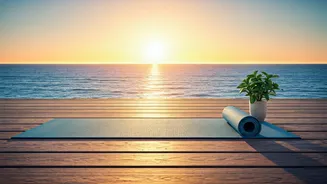
While a good massage is always welcome, slow wellness goes deeper. It's a holistic approach that integrates well-being into the entire journey. This might look like a stay at an Ayurvedic centre in Kerala, where treatments are personalized over weeks, not hours. It could be a hiking trip where the goal is not the summit, but the mindful immersion in nature along the way. It's found in retreats that focus on breathwork, creative expression, or simply sleeping better. These experiences are designed to restore your body’s natural rhythms, which are often disrupted by modern life. The activities are gentle and supportive, like yoga, mindful eating, and spending unstructured time in nature.
Why Is This Happening Now?
The collective burnout from a fast-paced, always-on world has reached a tipping point. Many people are realising that true well-being isn’t found in another app or quick fix, but in creating space to unplug and recharge. The slow wellness movement is a direct response to digital exhaustion and the desire for more authentic, sustainable travel. It aligns with a broader cultural shift toward 'slow living,' which prioritizes mindfulness, community, and environmental consciousness. Travellers now seek transformation over transaction, wanting to return home not just with souvenirs, but with a renewed sense of calm and clarity that lasts.
How to Find Your Slow Escape
Embracing slow wellness doesn’t require a massive budget or a month off work. It’s a mindset you can apply to any trip. Start by choosing one destination and staying there longer. Look for accommodations that encourage local interaction, like a boutique hotel or a homestay. Instead of creating a rigid itinerary, leave entire days open for spontaneous discovery. Seek out experiences that connect you to the place, such as visiting a local market, taking a nature walk, or simply watching the sunset without checking your phone. The goal is to let go of the pressure to be productive and allow yourself the simple, profound luxury of being present.