






For many urban Indians, water worries are a part of life, from summer shortages to monsoon floods. But what if a solution was hiding in plain sight? Our cities' neglected lakes are more than just scenic spots; they are a key to water security.
The High Cost of Thirst
As Indian
cities expand, their thirst for water grows insatiable. Meeting this demand often involves hugely expensive and complex projects: diverting rivers, building massive pipelines across hundreds of kilometres, and relying on fleets of private water tankers. This approach is not only financially draining but also environmentally unsustainable. Households without reliable municipal connections can end up paying vastly more for water from private sources. This reliance on external supplies creates a fragile system, vulnerable to droughts and disputes, leaving citizens in a precarious position. The cycle of scarcity and expense has become a defining feature of modern urban life, forcing us to look for smarter, more local solutions.
Lakes as Natural Water Banks
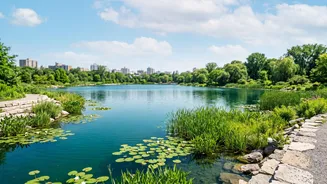
This is where urban lakes come in. Historically, cities like Bengaluru were built around an intricate, cascading network of lakes that captured rainwater and sustained the region. These water bodies are not just storage tanks; they are vital 'recharge zones'. Healthy lakes act like giant sponges, allowing rainwater to slowly percolate through the soil and replenish underground aquifers. This is crucial for cities that heavily depend on groundwater for their daily needs. By storing monsoon runoff, a well-maintained lake system ensures that this precious resource is saved for leaner times instead of being lost down storm drains. This natural process of groundwater recharge offers a low-cost, decentralised way to boost a city's water reserves right where they are needed most.
The Economic Advantage of Restoration
At first glance, restoring a polluted lake might seem expensive. But when compared to the colossal cost of long-distance water transportation or desalination plants, rejuvenation is a clear economic winner. Stopping the inflow of untreated sewage, removing accumulated silt, and clearing encroachments are the primary steps. Case studies from cities like Bengaluru show how this can be done effectively. At Kundalahalli lake, a public-private partnership successfully used a natural, low-energy Decentralised Treatment System (DTS) to treat incoming sewage, costing a fraction of conventional methods. The rejuvenated Jakkur lake also stands as a model, where using constructed wetlands for natural filtration helped slash chemical treatment costs. These projects demonstrate that investing in our natural infrastructure is a financially prudent move that pays dividends in water security.
Benefits Beyond the Water Supply
The advantages of healthy urban lakes extend far beyond drinking water. They are critical for managing urban floods, acting as natural buffers that absorb and hold excess rainwater during heavy downpours. The devastating floods in Chennai and Hyderabad have been partly linked to the loss of their natural water bodies. Furthermore, lakes have a significant cooling effect on their surroundings, helping to mitigate the 'urban heat island' effect that makes cities warmer than rural areas. They become hotspots for biodiversity, attracting birds and supporting aquatic life, and provide invaluable green spaces for community recreation and wellbeing. From an economic standpoint, these recreational amenities can also generate revenue that can be reinvested into their upkeep.
The Path Forward:
A Shift in Perspective
For decades, many urban lakes have been treated as wastelands—dumping grounds for sewage and solid waste, or prime real estate for encroachment. The foaming, polluted waters of Bellandur lake in Bengaluru became an infamous symbol of this neglect. Reversing this trend requires a fundamental shift in urban planning. Instead of being viewed as liabilities, lakes must be recognized as essential infrastructure. This involves not just one-time cleanup drives but integrated management that protects the lake's entire catchment area, stops pollution at its source, and involves local communities in conservation efforts. Successful rejuvenation projects are often driven by active citizen groups working alongside municipal authorities, proving that a collaborative approach is key.