








The Scale Doesn't Tell the Whole Story
For decades, the bathroom scale has been the primary judge of weight-loss success. Yet, its simplicity is also its biggest flaw. The number it shows doesn't distinguish between fat and muscle. This is a critical distinction, especially with the rise of powerful
weight-loss medications like GLP-1 agonists (such as semaglutide and liraglutide). Research shows these drugs are highly effective for weight loss, but a significant portion of that loss—up to 40% in some cases—can come from lean body mass, which includes essential muscle. Losing muscle can decrease your metabolic rate, making it harder to keep weight off long-term, and can impact your strength and mobility.
Why Exercise is Non-Negotiable
While GLP-1 medications work by curbing appetite and slowing digestion, they are not a substitute for a healthy lifestyle. In fact, exercise becomes even more crucial when taking them. Studies consistently show that incorporating regular physical activity, especially strength training, helps preserve precious muscle mass during rapid weight loss. Patients who combine these medications with exercise tend to achieve a better body composition, meaning more of the weight they lose is fat. Furthermore, exercise offers unique benefits that medication alone cannot, including improved mood, better sleep, and stronger bones.
Beyond Weight: Your New Health Dashboard
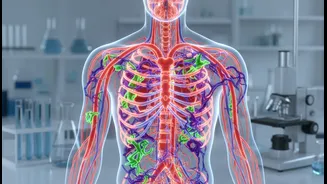
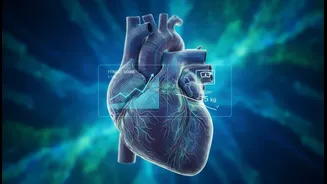
If weight isn't the best metric, what should you track? Experts now point to two key areas: cardiorespiratory fitness and vascular health. A recent study from the University of Copenhagen highlighted that while medication helped maintain weight loss, only the participants who exercised showed improvements in vascular health, such as reduced thickness of the carotid artery wall—a key marker for cardiovascular risk. Cardiorespiratory fitness, often measured by VO2 max, is a powerful predictor of overall health and longevity. It reflects how well your body can transport and use oxygen during exercise. Worryingly, some research suggests that because GLP-1s can lead to muscle loss, they may not consistently improve this crucial fitness marker on their own.
How to Track What Really Matters
Shifting your focus from the scale to these new metrics doesn't have to be complicated. For cardiorespiratory fitness, you can monitor your performance during workouts. Are you able to walk or run a little farther or faster? Is your recovery time improving? Wearable fitness trackers can also provide useful data on your resting heart rate, heart rate variability, and sleep patterns, all of which offer clues about your fitness level. For vascular health, regular check-ins with your doctor are key. Simple measurements like blood pressure are vital. Your doctor can also order blood tests to check cholesterol levels and other markers of inflammation that paint a more complete picture of your heart health than the scale ever could.
A Holistic Approach to Health
The goal of a health journey shouldn't just be to weigh less, but to be stronger, fitter, and more resilient. The combination of modern medicine and consistent exercise offers a powerful path to achieving this. By focusing on building and maintaining muscle, improving your cardiovascular endurance, and monitoring key vascular health markers, you are investing in long-term, sustainable well-being. This approach ensures that you are not just losing weight, but gaining health in the process. Combining GLP-1 drugs with healthy lifestyle habits has been shown to significantly amplify the benefits and reduce cardiovascular risk.