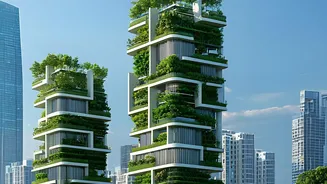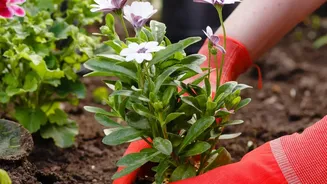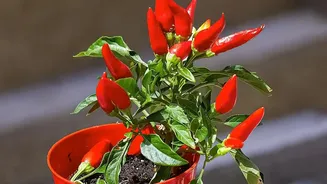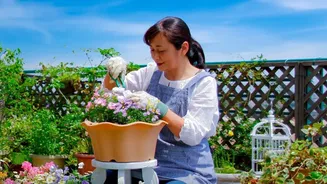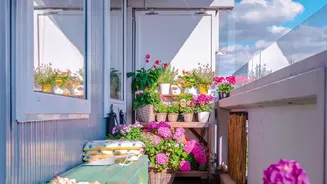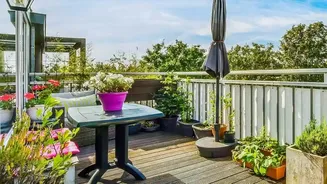





In India’s bustling cities, a quiet revolution is unfolding one balcony at a time. Amid the concrete and clamour, tiny outdoor spaces are being transformed into vibrant green sanctuaries, proving that you don't need a backyard to have a garden.
A Green Response to Urban Life
The trend
of balcony gardening is surging across urban India, as city dwellers seek a deeper connection with nature. For many, it's a therapeutic escape from the pressures of a fast-paced life, offering tangible benefits for mental well-being by reducing stress and anxiety. This movement isn't just about aesthetics; it's a conscious lifestyle choice. Driven by a growing desire for healthier living, many households are cultivating their own produce to ensure access to fresh, organic, and pesticide-free food. The simple act of nurturing a plant from seed to harvest provides a profound sense of satisfaction and a welcome respite from the digital world, grounding individuals in the rhythms of the natural world.
The Balcony Bounty: More Than Just Flowers
While decorative flowering plants remain popular, the modern Indian balcony garden is increasingly becoming a miniature farm. The focus has shifted to edibles that can supplement the kitchen. Herbs that are fundamental to Indian cooking, such as coriander (dhania), mint (pudina), and holy basil (tulsi), are among the most popular choices. Vegetables like cherry tomatoes, green chillies, spinach, and brinjal are also thriving in pots and grow bags. This move towards functionality transforms the balcony from a purely ornamental space into a productive one. Alongside edibles, there is also a growing awareness of creating 'pollinator balconies' with flowers like marigolds to attract and support bees and butterflies, contributing to urban biodiversity.
Gardening by the Season
The success of these small-scale gardens lies in their harmony with India's distinct seasons. Urban gardeners are learning to adapt their planting calendars for optimal results. The cool, pleasant months from October to February are considered the prime growing season for a variety of vegetables. This is the ideal window for planting crops like carrots, radishes, and peas, which flourish in the milder temperatures. The monsoon season, with its high humidity, is perfect for propagating new plants from cuttings, though gardeners must be wary of overwatering. During the intense summer heat, the focus shifts to protecting plants with shade nets and ensuring they receive enough water to survive. This seasonal approach makes gardening a dynamic, year-round activity.
Creativity Within Constraints
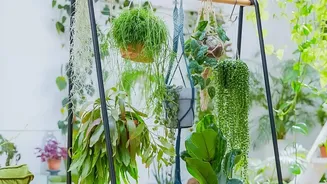
The primary challenge of balcony gardening is, of course, space. However, this limitation has spurred incredible creativity. Vertical gardening is the most popular solution, with residents using wall-mounted planters, tiered shelves, and hanging pots to maximize their growing area without cluttering the floor. Another critical factor is sunlight. The amount and intensity of light a balcony receives, depending on whether it faces north, south, east, or west, determines which plants will thrive. Gardeners have also become amateur soil scientists, learning that standard garden soil is too dense for pots and instead using lighter mixes of cocopeat, compost, and vermicompost to ensure proper drainage and aeration for plant roots.