








The Science of the Stroll
One of the most significant benefits of a post-meal walk is its impact on blood sugar. After you eat, your blood glucose levels naturally rise. A light walk helps your muscles use this glucose for energy, preventing sharp spikes and crashes. Studies have
shown that even a two- to five-minute walk immediately after eating can help regulate blood sugar levels, which is particularly beneficial for those with insulin resistance or diabetes. This gentle activity also aids digestion by stimulating the stomach and intestines, helping food move through your system more rapidly and reducing common discomforts like bloating and gas.
More Than Just Digestion
Beyond the physical benefits, an evening walk is a powerful tool for mental well-being. The gentle movement helps lower levels of stress hormones like cortisol while boosting mood-elevating endorphins. This creates a natural transition from the demands of a busy day to a state of relaxation. For many, it's a dedicated time to clear the mind, process thoughts, and disconnect from screens. This mental reset can lead to improved focus and a greater sense of calm before bed.
A Prescription for Better Sleep
The common myth that exercise before bed disrupts sleep has been widely debunked for low-intensity activities. In fact, an evening walk can significantly improve sleep quality. The light physical activity, combined with the subsequent cool-down period, helps signal to your body that it's time to wind down. It can help regulate your body's internal clock, or circadian rhythm, making it easier to fall asleep and stay asleep. By reducing stress and preventing the discomfort of indigestion, a post-dinner stroll addresses several common culprits of poor sleep.
The Appeal of 'Low-Pressure' Fitness
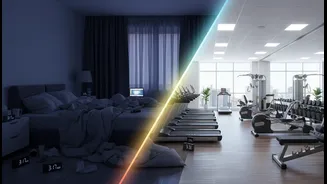
In India, there's a growing movement towards sustainable, holistic wellness that fits into daily life, rather than demanding gruelling gym sessions. The post-dinner walk fits this trend perfectly. It requires no special equipment, no membership, and no intense preparation. This accessibility makes it a more sustainable habit than high-impact workouts for many people. It's not about burning maximum calories, but about consistent, gentle movement. This focus on low-impact, mindful activity is becoming a cornerstone of modern fitness, prioritizing long-term health and well-being over short-term intensity.
How to Start Your Evening Ritual
Getting started is simple. Aim to begin your walk within 10 to 30 minutes of finishing your dinner. A short walk of 10 to 15 minutes is enough to reap significant benefits. The pace should be comfortable and relaxed, not a strenuous power walk; the goal is to aid digestion, not spike your heart rate. You can walk around your neighbourhood, in a nearby park, or even just around your living room. The key is consistency. By making it a daily habit, you can turn a simple stroll into a powerful pillar of your overall health routine.