





A Monsoon of Uncertainty
For decades, the standard summer escape for many Indians involved heading to the lush green hills of Himachal Pradesh and Uttarakhand. However, recent years have seen a dramatic and often tragic increase in climate-related disruptions. Treacherous landslides,
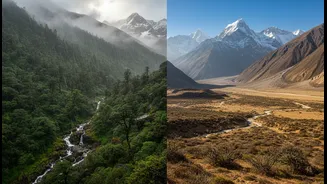
flash floods, and washed-out roads have become an all-too-common feature of the monsoon season. News reports from July 2023 highlighted devastating floods and infrastructure damage in Himachal Pradesh, creating a sense of apprehension among travellers. Studies now indicate that over 45% of Himachal Pradesh is highly susceptible to such natural disasters, making summer and monsoon travel a gamble. This growing uncertainty has pushed tourists to look for alternatives where their plans, and their safety, are more secure.
The Rain Shadow Advantage
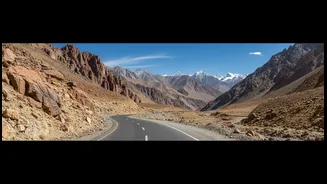
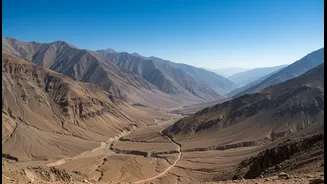
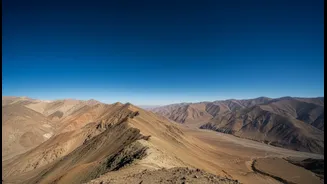
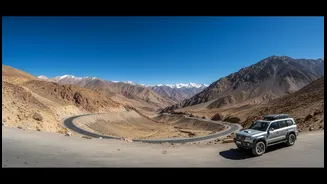
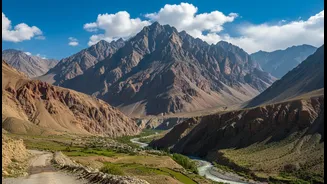
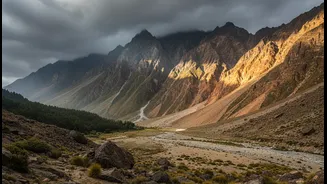
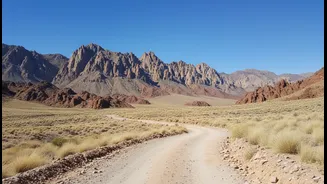
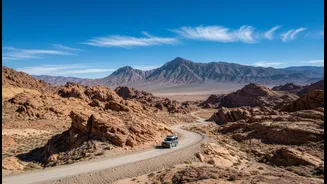
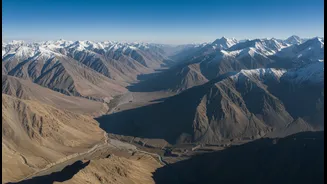
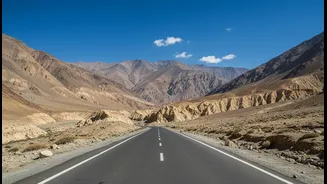
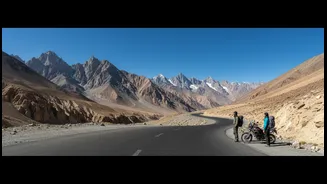
Enter Ladakh and Spiti Valley. What makes these regions uniquely safe during India's monsoon months is a simple geographical phenomenon: the rain shadow effect. Both lie on the leeward side of the great Himalayan ranges. When the moisture-laden monsoon clouds travel from the south, they are blocked by these colossal mountain barriers. They exhaust their rain on the windward side, leaving areas like Ladakh and Spiti arid and largely dry. While the rest of the country grapples with downpours, these high-altitude cold deserts offer clear blue skies and sunny days, making June through September the ideal time to visit. This unique climate profile means they are significantly less prone to the kind of rainfall-induced landslides that plague other Himalayan states.
A Verifiable Tourism Boom
The shift in preference is no longer anecdotal; it's backed by numbers. Ladakh, in particular, has seen what officials call a "historic surge" in visitor numbers. In the first five months of 2026, tourist arrivals grew by over 43% compared to the previous year, with May alone registering an incredible 121% jump. Official data from June 2026 showed a 44% overall increase in tourism compared to the prior year. This boom is attributed not just to the region's breathtaking landscapes but to its growing reputation as a safe and reliable travel destination during the summer months. While Spiti's tourism is more low-key, tour operators and local businesses report a similar upward trend, as it is often seen as a rawer, less crowded alternative to the increasingly popular Ladakh.
More Than Just Safety
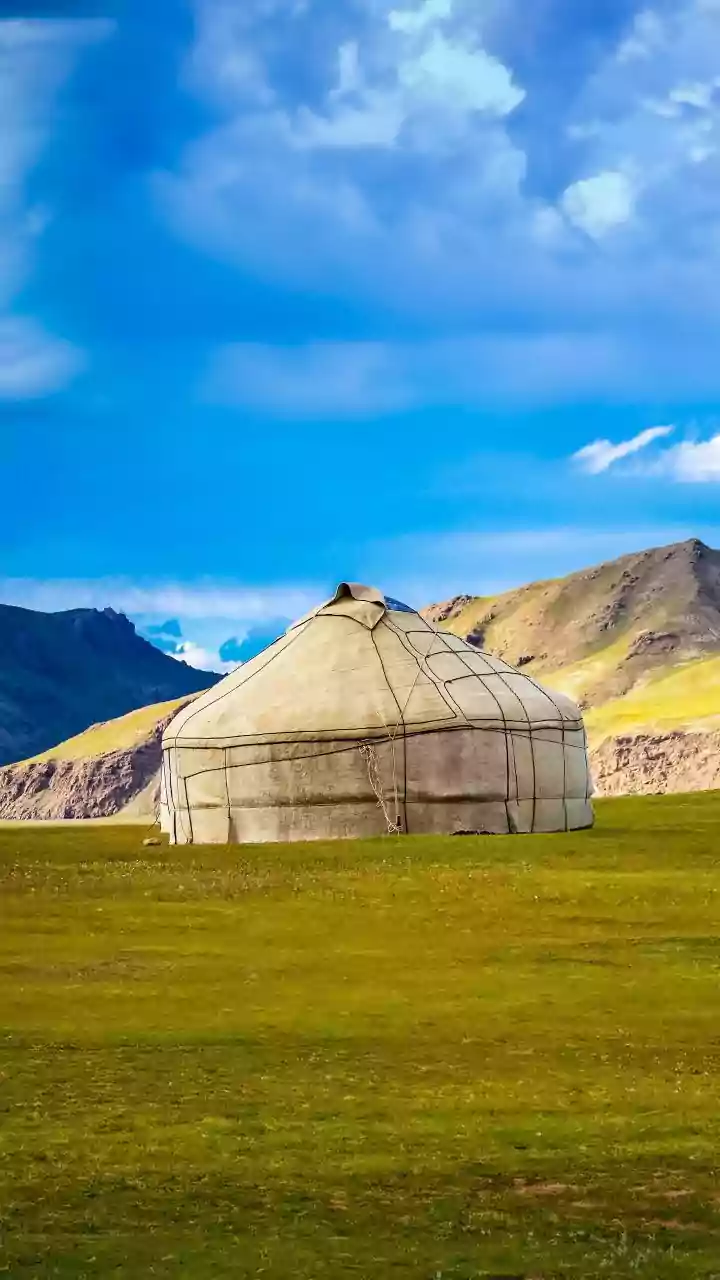
While safety is a major driver, the appeal of Ladakh and Spiti goes much deeper. These are lands of stark beauty, spiritual richness, and high-adventure. Ladakh, with its vast valleys, crystal-clear lakes like Pangong Tso, and accessible high-altitude passes, offers a more vibrant and energetic travel experience. Its improved road connectivity and daily flights into Leh make it relatively easy to access. Spiti, often called 'Little Tibet', offers a more rugged and immersive cultural journey. It's a quieter, more minimalistic adventure, defined by ancient monasteries perched on cliffs, remote villages, and a deeply ingrained homestay culture that provides an unfiltered look into Himalayan life. This combination of safety, unique culture, and unparalleled scenery is proving irresistible.
The Growing Pains of Popularity
However, this immense growth is a double-edged sword. The fragile ecosystems of these high-altitude deserts are now under considerable strain. Viral videos of traffic jams on roads leading to Ladakh are becoming more common, sparking debates about overtourism. The surge in visitors puts pressure on limited resources like water and adds to waste management challenges in a region where infrastructure is still developing. There is a growing recognition among local authorities and environmental groups that this boom must be managed sustainably. The very qualities that make these places special—their remoteness, pristine environment, and unique culture—are at risk if growth continues unchecked.