




From Waste to Wonder
Every time you squeeze a lemon for its juice, you're left with the rind. Often, it ends up in the compost or the bin. But in those flavourful peels lies the potential for something truly special: preserved lemons. This age-old technique, a staple in Moroccan
and Middle Eastern cuisines, is a fantastic way to practice root-to-fruit cooking and reduce kitchen waste. By simply using salt to cure the leftover rinds, you not only extend their life indefinitely but also create a complex, intensely aromatic ingredient that can elevate everyday meals. It’s a sustainable practice that rewards you with a gourmet condiment for next to nothing.
The Gut-Friendly Magic of Fermentation
So, what makes these preserves 'gut-friendly'? The process of preserving lemons with salt is a form of lacto-fermentation. This process encourages the growth of beneficial bacteria, also known as probiotics. These probiotics can help balance your intestinal flora, which is crucial for efficient digestion and overall gut health. Furthermore, the lemon peel itself is a great source of fibre, particularly pectin, which supports a healthy microbiome. The fermentation not only creates these beneficial microbes but also makes the nutrients within the lemon peel more available for your body to absorb. It's important to note that homemade versions are best for these benefits, as store-bought preserved lemons are often pasteurised, which can kill the live bacteria.
Your Simple Toolkit
The beauty of this project lies in its simplicity. You don't need any fancy equipment, just two primary ingredients and a bit of time. Here's what you'll need to get started: a sterilised 1-litre glass jar with an airtight lid, about 6-8 lemons (you can use just the rinds from juiced lemons, collecting them in the fridge or freezer until you have enough), and about half a cup of good quality sea salt or kosher salt. Using organic, unwaxed lemons is ideal since you'll be eating the peel. For extra flavour, you can add whole black peppercorns, a bay leaf, or a cinnamon stick to the jar, but these are entirely optional.
A Step-by-Step Guide
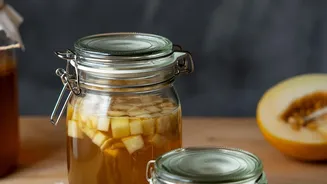
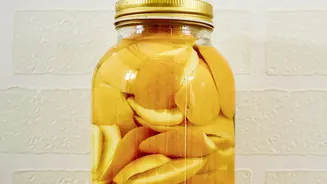
First, ensure your jar is thoroughly cleaned and sterilised. If using whole lemons, wash them and cut them into quarters lengthwise, but not all the way through, leaving them connected at the base. If you're using leftover rinds, you can simply slice them into strips. Generously coat the lemon pieces or rinds in salt, ensuring all surfaces are covered. Place a layer of salt at the bottom of the jar and begin packing the lemons in tightly. As you add layers, press down firmly to release their juices. The goal is to have the lemons submerged in their own salty brine. If needed, top it off with the juice from an extra lemon to ensure everything is covered. Seal the jar and leave it on your counter at room temperature, away from direct sunlight, for three to four weeks. Give the jar a shake every day for the first week to help distribute the salt and juice.
How to Use Your Tangy Creation
After a few weeks, the rinds will soften and become translucent—a sign they are ready. To use them, simply take a piece out of the jar, rinse off the excess salt, and finely chop or slice the peel. The pulp can be used too, but the rind is where the most intense flavour lies. These preserves add a salty, umami-rich, and deeply citrusy note that is less acidic and more complex than fresh lemon. Finely mince the rind and stir it into salad dressings, marinades, or yogurt sauces. Add it to stews, tagines, and grain bowls for a bright kick. It's also wonderful tossed with roasted vegetables, stirred into pasta, or blended into hummus and other dips. A little goes a long way, so start small and taste as you go.