



1. Ancestry and Heritage Journeys
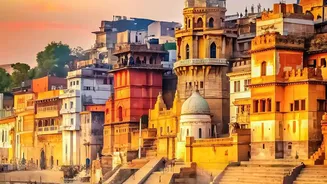
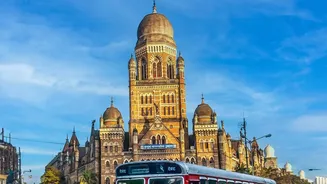
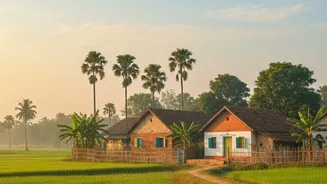
Imagine walking the same streets your ancestors did generations ago. This is the powerful appeal of ancestry tourism, a travel trend that is surging globally. Fuelled by the accessibility of DNA testing and digital archives, travellers are no longer just
visiting countries; they are seeking a profound connection to their own history. These are not typical holidays. Instead of focusing on famous landmarks, these trips revolve around visiting ancestral villages, exploring local records, and engaging with the culture that shaped one's family story. For many, especially in a country like India with its vast diaspora, it's a deeply emotional and personal quest to understand where they come from. Travel companies are responding, offering specialised tours that help people piece together their family tree on the ground, turning a vacation into a journey of self-discovery.
2. Skill-Based 'Skillcations'
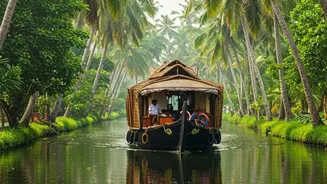
Why just see a new place when you can learn a new skill? Enter the 'skillcation,' a holiday built around hands-on learning. This trend blends leisure with personal growth, offering more than just relaxation. Think of a trip to Rajasthan to learn block-printing from local artisans, a week in Kerala mastering regional cuisine, or joining a photography workshop in the Himalayas to capture its stunning landscapes. These trips are popular because they offer a sense of accomplishment and a souvenir that lasts a lifetime: a new ability. The experience becomes more immersive, connecting you to the local culture through active participation rather than passive observation. Itineraries are designed to balance expert-led workshops with enough free time to explore, making the vacation feel both purposeful and relaxing.
3. Culinary Deep Dives
For a growing number of travellers, food is not just a part of the trip—it is the destination. Culinary tourism has moved beyond simple food tours to become a primary driver for travel plans in 2027. This trend involves deep dives into a region's gastronomic culture. It's about more than just eating at nice restaurants; it's about understanding the entire food ecosystem. This could mean taking cooking classes that focus on hyper-local ingredients, visiting farms and producers, exploring bustling local markets with a guide, or participating in food festivals. In India, this could translate to a tour focused on the spice plantations of the south or exploring the intricate vegetarian thalis of Gujarat. These journeys offer an authentic taste of a place and its traditions, making the travel experience far more memorable.
4. Digital Detox Retreats
In our hyper-connected world, the ultimate luxury for many is the freedom to disconnect. Digital detox holidays are gaining immense popularity among Indian travellers seeking a respite from the constant buzz of screens and notifications. This trend, sometimes called 'Signal Severance,' involves travelling to locations chosen specifically for their lack of connectivity. These getaways are often set in serene, natural environments like the mountains of Nepal, the quiet beaches of Lakshadweep, or secluded resorts where the focus is on being present. The goal is to swap screen time for meaningful moments, whether that's through yoga, meditation, nature walks, or simply reconnecting with loved ones without digital interruptions. It's a personalised journey inward, designed to refresh the mind and reduce burnout.
5. Regenerative Travel
Going a step beyond sustainable tourism, regenerative travel is about leaving a place better than you found it. This forward-thinking approach is gaining traction among conscientious travellers who want to make a positive, active contribution to the destinations they visit. Unlike sustainable travel, which focuses on minimising negative impact, regenerative travel involves participating in projects that actively heal and improve the local environment and community. This could mean taking part in a reef cleanup during a diving trip, helping with a reforestation project, or volunteering at a community-owned enterprise. The experience is deeply personal, connecting the traveller to the destination's social and ecological well-being in a tangible way. It redefines a holiday as an opportunity not just to see the world, but to help restore it.
6. Wellness and Spiritual Journeys
Travel is increasingly seen as a vital tool for mental and physical well-being. For 2027, wellness journeys are becoming more specific and personalised, moving beyond generic spa holidays. Travellers are seeking out trips designed to meet specific wellness goals, from intensive yoga retreats in Rishikesh to traditional Ayurvedic healing in Kerala. The focus is on holistic experiences that combine physical activity, mindful practices, and healthy food. Furthermore, spiritual tourism continues to grow, with more Indians planning trips to destinations like Dharamshala and Leh for reflection and inner peace. These journeys are less about religion and more about finding a personal sense of balance and returning home genuinely rejuvenated.