



Perform a Pre-Monsoon Vehicle Check
Before the heavy rains set in, it's crucial to ensure your vehicle is in top condition. Your tyres are the first line of defence against slippery roads. Ensure they have adequate tread depth—at least 3mm is recommended for monsoon safety, which is more
than the legal minimum. Worn-out tyres significantly increase the risk of skidding and hydroplaning, where a layer of water builds between the tyres and the road, leading to a loss of control. Equally important are your windscreen wipers. The summer heat can degrade the rubber, causing them to streak or skip instead of clearing the glass effectively. Replace them if they aren't providing a clean sweep. Finally, have your brakes, headlights, and tail lights thoroughly checked. Wet conditions reduce braking efficiency and visibility, so these components must be in perfect working order. A simple one-hour check-up can prevent a breakdown and significantly enhance your safety.
Slow Down and Maintain Distance
This might seem obvious, but it's the most critical rule of driving in the rain. Wet roads dramatically increase braking distances. Maintaining a distance from the vehicle ahead that is at least twice as long as you would in dry conditions is a good rule of thumb. This extra space gives you more time to react to sudden stops and reduces the risk of a collision. Lowering your speed helps prevent hydroplaning, a terrifying experience where your vehicle can feel like it's floating. It's also wise to avoid using cruise control, as it can cause you to lose control if your tyres lose and then suddenly regain traction on a wet surface. Remember, the goal is not just to reach your destination, but to do so safely. Adopting a conservative driving style is the simplest way to mitigate the risks posed by treacherous monsoon roads.
See and Be Seen: Maximize Visibility
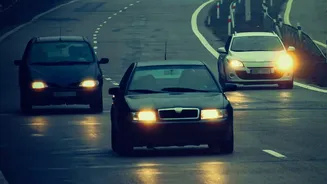
In heavy rain, visibility can drop to just a few car lengths, making it hard to spot hazards and other vehicles. Always drive with your low-beam headlights on, even during the day. This doesn't just help you see the road better; it makes your vehicle more visible to other drivers, two-wheeler riders, and pedestrians. High beams can reflect off the rain and blind oncoming drivers, so they should be avoided. Inside the car, fogging on the windshield can be a major issue due to the temperature difference. Use your car's air conditioning system and defogger to keep the glass clear. Before you even start your journey, take a moment to clean your windshield, windows, and mirrors. Road grime and oily spray can create a film that becomes dangerously opaque when wet. Topping up your washer fluid with a proper cleaning solution, not just water, can also make a big difference.
Beware of Waterlogged Roads
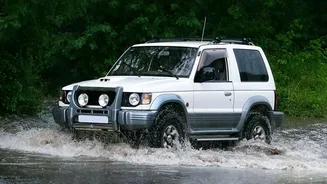
Waterlogged streets are a common and dangerous feature of monsoons in Indian cities. What looks like a simple puddle can hide deep potholes, debris, or even open manholes that can cause severe damage to your car and lead to accidents. If you're unsure about the depth of a flooded area, it is always best to find an alternative route, even if it's longer. If you must drive through water, do so slowly and steadily in a low gear, keeping the engine revs high to prevent water from entering the exhaust pipe. Never attempt to restart your engine if your car stalls in water, as this can cause catastrophic and expensive damage known as hydrostatic lock. After passing through a waterlogged patch, gently tap your brakes a few times to dry them out and ensure they are working effectively.
Be Extra Considerate to Others
Monsoon conditions are tough for everyone, but especially for those on two-wheelers and pedestrians. Motorcycles and scooters are more prone to skidding, and riders are completely exposed to the elements. Give them plenty of space and avoid splashing through puddles near them. Pedestrians can be hard to spot in the rain and may be forced to walk on the road to avoid flooded footpaths. They might step out suddenly to avoid a puddle, so be vigilant. Driving with compassion and patience is key. The heavy traffic, reduced visibility, and general stress of a rainy commute can fray nerves, but a considerate approach enhances safety for the entire community. A little extra patience goes a long way in ensuring everyone gets home safely.