




Why Embrace Water-Wise Gardening?
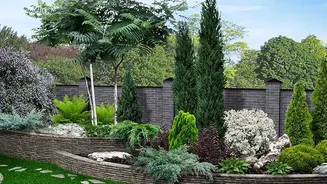
The allure of a lush, green garden is undeniable, but the reality of maintaining one in the face of water scarcity and rising utility costs is prompting a change in perspective. A low-water garden, also known as xeriscaping, offers a practical and beautiful
alternative. The benefits are compelling: it significantly reduces water consumption, lowers maintenance efforts, and creates a garden that is resilient to harsh summer heat. By choosing plants adapted to drier conditions, you cultivate a space that is not only eco-friendly but also cost-effective and better suited to India's diverse and challenging climates. This approach helps conserve a vital natural resource while ensuring your home remains a green oasis.
The Core Principles of a Low-Water Garden
Successful low-water gardening goes beyond just picking drought-tolerant plants. It involves a holistic approach to creating a self-sustaining ecosystem. A key principle is improving your soil. Amending soil with organic compost helps it retain moisture for longer periods, reducing the need for frequent watering. Another crucial aspect is efficient irrigation. Instead of overhead sprinklers, which lose a lot of water to evaporation, consider drip irrigation or soaker hoses that deliver water directly to the plant's roots. Watering deeply but less frequently encourages roots to grow deeper in search of moisture, making them stronger and more drought-resistant. Finally, applying a layer of mulch (like wood chips or dried leaves) on top of the soil helps retain moisture, keep roots cool, and suppress weed growth.
Choosing Your Drought-Tolerant Champions
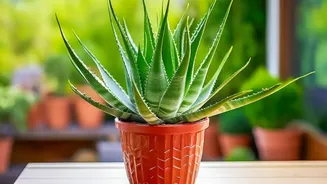
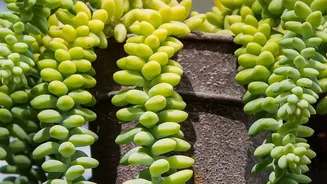
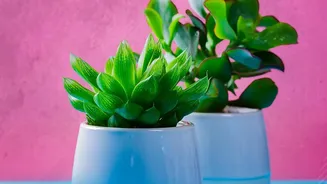
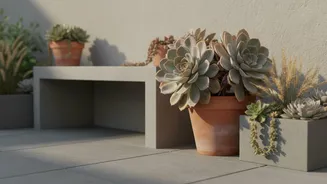
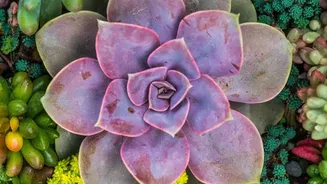
The heart of a low-water garden lies in its plant selection. India is home to a vast array of beautiful plants that thrive with minimal water. For vibrant colour, Bougainvillea is an excellent choice, known for its stunning bracts and drought tolerance. Lantana is another hardy flowering shrub that offers continuous blooms. Among succulents, Aloe Vera is a must-have for its medicinal properties and low-water needs, and the Jade Plant is another popular, resilient option. For a touch of perennial green, the Spider Plant is incredibly forgiving and adaptable. Catharanthus roseus, commonly known as Sadabahar, lives up to its name by providing cheerful flowers year-round with very little fuss. These plants prove that a water-wise garden can be just as colourful and varied as a traditional one.
Getting Started: A Simple Guide
Starting your low-water garden is a straightforward process. First, take some time to observe your space. Understand which areas receive full sun and which are partially shaded. This will guide your plant placement. Next, group plants with similar water needs together. This technique, known as hydrozoning, is the secret to efficient watering. Prepare your garden beds or pots by mixing in plenty of compost to improve soil structure. Once you have your plants, position them according to your plan and apply a generous layer of mulch around their base, being careful not to touch the stem. During the initial weeks, water them regularly to help them establish their root systems. Afterwards, you can gradually reduce the frequency, allowing the soil to dry out slightly between waterings. Remember to water early in the morning to minimize evaporation.