




What Is Slow Travel, Really?
Slow travel isn't just about moving at a leisurely pace; it's a mindset. Born from the 'Slow Food' movement in Italy, it champions connection over consumption. Instead of a frantic checklist of sights, it encourages spending more time in fewer places,
immersing yourself in the local culture, and prioritising meaningful experiences. Think of it as quality over quantity. The goal isn't to see a place, but to experience it—to understand its rhythm, its people, and its unique character beyond the tourist hotspots.
The Burnout of the Bucket List
Traditional tourism can often mirror the stress of our daily lives. We chase sights like we chase deadlines, resulting in packed itineraries that leave us exhausted rather than rejuvenated. This “checklist mentality” can lead to superficial encounters, where the focus is more on getting the perfect photo for social media than on being present in the moment. Slow travel provides a conscious break from this cycle, reducing the stress of constant packing, navigating airports, and adjusting to new surroundings every other day. It gives your mind and body the space to genuinely rest and reset.
The Mindfulness Connection
At its heart, slow travel is a practice in mindfulness. By encouraging you to be fully present, it turns simple moments into meditative experiences. Imagine spending an afternoon people-watching at a local café, taking a train instead of a plane to watch the landscape unfold, or simply walking through a neighbourhood with no destination in mind. These activities force you to pay attention to the sights, sounds, and smells around you, grounding you in the present. This unhurried approach helps reduce stress and anxiety by lowering cortisol levels, allowing for a deeper sense of contentment and joy.
Forging Deeper Connections
One of the most rewarding aspects of slow travel is the opportunity to form genuine connections. By staying longer in one place, you move beyond being a tourist and become a temporary part of the community. This can mean shopping at local markets, staying in family-run guesthouses, or sharing stories with a shop owner. These interactions break down cultural barriers and foster a more profound understanding of the place you're visiting. The most lasting souvenir is often the memory of a shared meal or a conversation with a new friend.
How to Embrace the Slow Lane
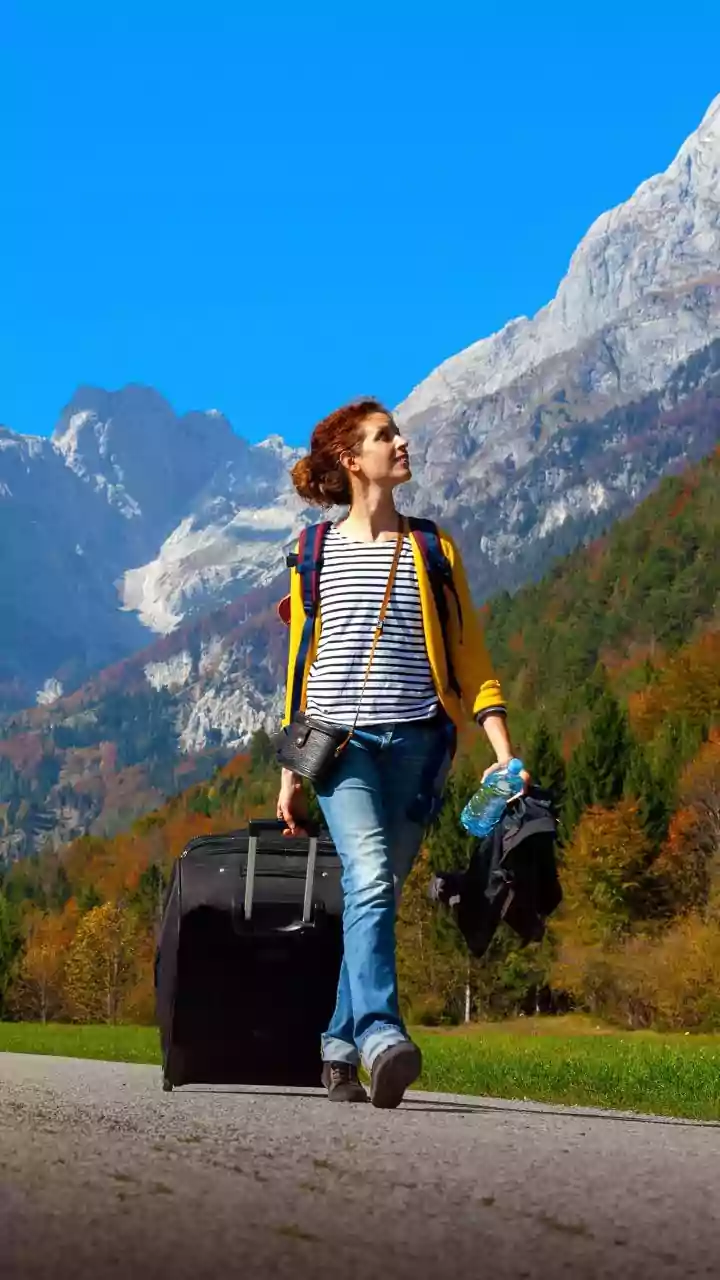
Adopting a slow travel mindset doesn't require a six-month sabbatical. You can practice it even on shorter trips. Start by choosing one destination instead of trying to cover an entire region. Leave empty space in your itinerary for spontaneity and rest. Use slower, more sustainable transport like trains or buses where possible. Make a conscious effort to support local businesses, from small restaurants to independent artisans. Most importantly, give yourself permission to unplug and simply 'be'—to enjoy unstructured days where doing nothing is the main objective.
Slow Travel in an Indian Context
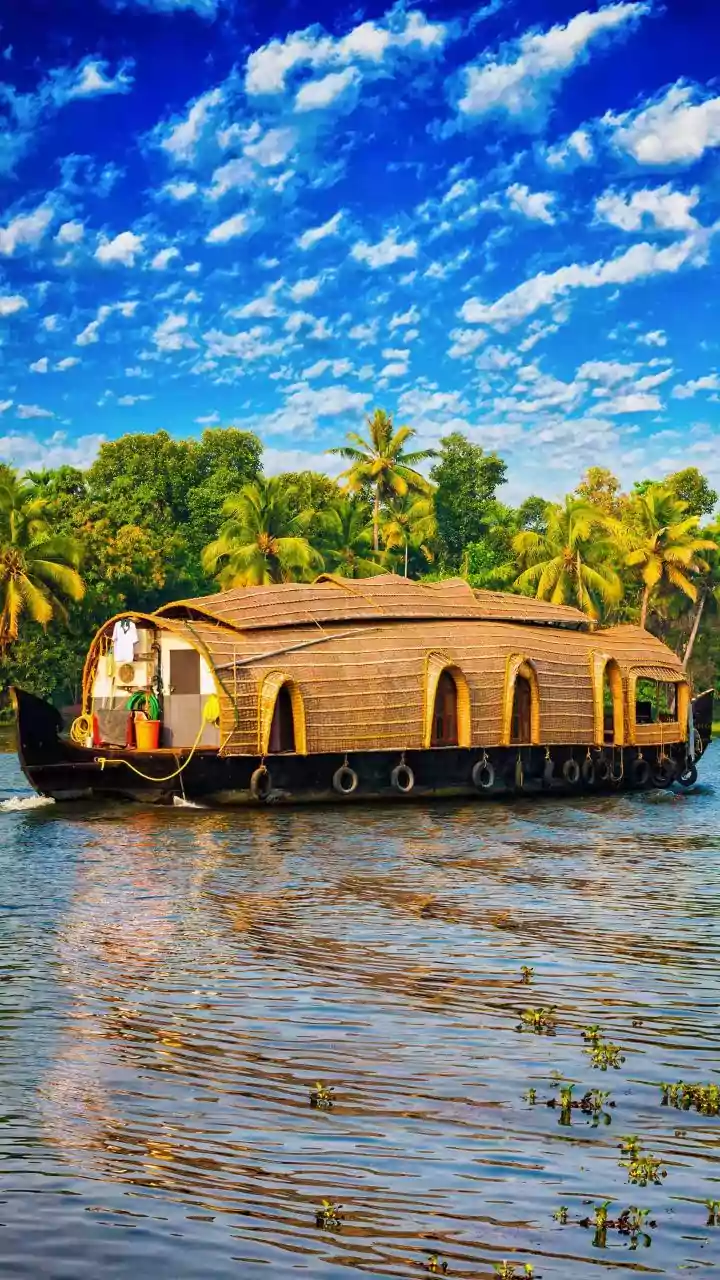
India, with its diverse landscapes and cultures, is an ideal landscape for slow travel. Instead of a whirlwind tour of major cities, consider spending a week in a single region. You could explore the quiet backwaters of Alleppey by houseboat, immerse yourself in the walkable heritage of Fort Kochi, or settle into a homestay in a Himalayan valley like Tirthan or Spiti. Other options include exploring the French Quarter of Pondicherry on foot, discovering the coffee plantations of Coorg, or experiencing the serene 'susegad' lifestyle in a quiet Goan village like Aldona. The key is to pick one place and delve deep.