




Beyond the Barren Beauty
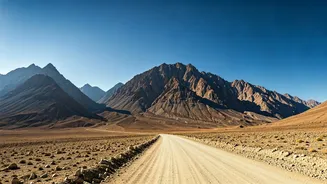
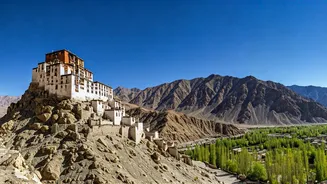
For years, a trip to Leh meant a checklist: Pangong Tso’s blue waters, the gravity-defying magic of Magnetic Hill, and the stark, breathtaking passes of Khardung La. But a new, quieter travel muse is emerging. Scroll through the #LehTravel hashtag today,
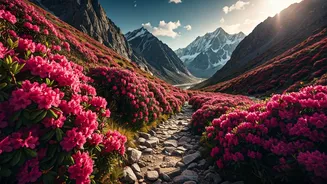
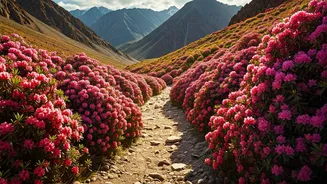
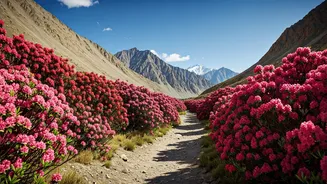
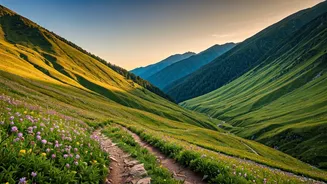
and you’ll find savvy travellers showcasing a different side of the high-altitude desert: lush green valleys carpeted with wild rhododendrons. This isn't just about pretty pictures; it reflects a deeper shift in travel desires. Post-pandemic, travellers are seeking solitude, authenticity, and experiences that feel undiscovered. They are trading crowded viewpoints for silent trails and the grand, sweeping vistas for the delicate beauty of a single, hardy flower blooming against all odds. This is the new luxury: nature, in its most pristine and unexpected form.
Ladakh’s Secret Alpine Bloom
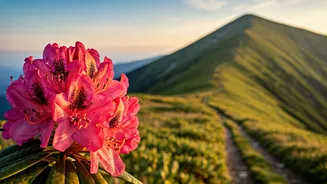
First, a quick geography lesson. While Sikkim and Himachal are famous for their towering rhododendron trees, Ladakh’s floral offering is more subtle and, some would argue, more special. Here, in the alpine meadows above 3,500 metres, you'll find dwarf rhododendron species like *Rhododendron anthopogon* and *Rhododendron lepidotum*. Known locally as ‘Tagg-Chall’ or ‘Shalmalee’, these hardy shrubs create dense, fragrant carpets of pink, purple, and white. The key is timing. This spectacular bloom is a fleeting spectacle, typically occurring from late May to early July, right after the snow melts and before the monsoons brush the lower Himalayas. It’s a short window when the arid landscape transforms, offering a reward for those willing to trek beyond the main tourist circuit.
Trail Guide: The Markha Valley Trek
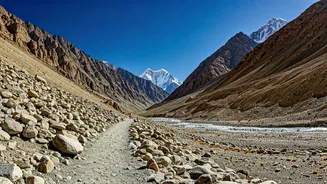
Often called the ‘tea house trek’ due to its network of homestays, the Markha Valley is one of the most accessible ways to witness this floral phenomenon. The trail, which typically takes 6 to 8 days, follows the Markha River through remote villages and dramatic canyons. As you ascend towards high passes like Gandala La (4900m) and Kongmaru La (5200m), the landscape changes. The valley floor and lower slopes are where you’ll find these rhododendron bushes in full bloom, their bright colours a stunning contrast against the backdrop of snow-capped peaks like Kang Yatse. The best part? You are fully immersed in nature, with the fragrance of the flowers mixing with the crisp mountain air.
Trail Guide: Hemis National Park
For the more adventurous, the vast expanse of Hemis National Park, home to the elusive snow leopard, is a treasure trove of alpine flora. While spotting the great cat is a matter of luck, finding rhododendrons is a near certainty if you visit at the right time. Treks originating from the village of Chilling or Stok take you deep into the park’s core. The paths leading up to Stok Kangri base camp (even if you don't summit) or the remote trails around the Rumbak Valley are particularly rich. Here, the flowers grow alongside other high-altitude plants like primulas and wild roses, creating a vibrant, living ecosystem that feels worlds away from the bustling streets of Leh.
Planning Your Floral Expedition
Inspired to find these paths yourself? A little planning goes a long way. First, acclimatise properly in Leh for at least two to three days before attempting any trek to avoid altitude sickness. The ideal window, again, is late May to early July. Hiring a local guide or going with a reputable trekking agency is highly recommended; they know the exact trails where the blooms are most prolific and can manage logistics like permits and homestay bookings. Pack layers, as the weather can change in an instant. Most importantly, practice responsible tourism. These are delicate ecosystems. Admire the flowers, take all the photos you want, but resist the urge to pluck them. Leave the pristine paths as you found them for the next traveller to discover.