


Why 'Clean' is Non-Negotiable
The first rule of food storage is simple: always start with a sparkling clean container. Even tiny, unseen food particles left behind can become a breeding ground for harmful bacteria like E. coli and Listeria. These microorganisms thrive on leftover
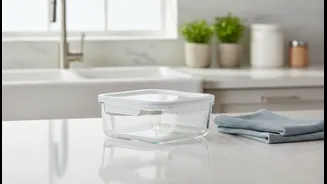
residue, and once they establish a community, they can form a protective layer known as a biofilm. This slimy, invisible shield is difficult to remove and can continuously contaminate the food you store, posing a risk for foodborne illness. To prevent this, containers should be washed thoroughly with warm, soapy water immediately after use. Pay special attention to the lid and any grooves where residue might hide. Simply rinsing a container is not enough to ensure it's hygienically clean and safe for your next meal.
The Hidden Danger of a 'Dry' Container
After washing, ensuring your containers are completely dry is just as important as getting them clean. Moisture is a key ingredient for microbial growth. When you seal a container with even a few drops of water inside, you create a humid environment perfect for mould and bacteria to flourish, even in the refrigerator. Storing food in a damp container can accelerate spoilage and introduce unwanted pathogens to your meal. Before stacking and storing your containers, let them air dry completely. This simple habit prevents the creation of a mini-ecosystem for germs and ensures the food you put inside stays fresher and safer for longer. A dry container is a safe container.
Choosing Containers 'Suitable For Reheating'
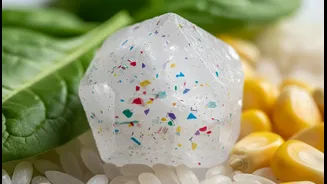
Not all plastics are created equal, and this is especially true when it comes to heat. Reheating food in the wrong type of plastic container can cause harmful chemicals to leach into your meal. The main culprits are Bisphenol A (BPA) and phthalates, which are endocrine disruptors linked to a range of health issues. Heat dramatically increases the rate at which these chemicals can migrate from the plastic into your food, particularly with fatty or acidic meals. To stay safe, always look for containers explicitly labeled as "microwave-safe." This label indicates the material has been tested and is stable at high temperatures. Generally, plastics with recycling codes #5 (Polypropylene or PP) are considered the safest for microwave use, while you should avoid reheating in containers marked with #3 (PVC), #6 (PS), and sometimes #7 (Other). If you're ever unsure, the safest option is to transfer your food to a glass or ceramic dish before heating.
A Practical Guide to Container Care
Extending the life and safety of your food containers is easy with a few good habits. First, avoid using abrasive scrubbers or harsh detergents that can scratch the plastic surface. These scratches can become tiny reservoirs for bacteria and increase the likelihood of chemicals leaching. Second, don't reuse single-use containers, like those from takeaways or yoghurt tubs, for reheating. They are not designed to withstand high heat and can warp, melt, or release chemicals. If a plastic container becomes heavily stained, develops a persistent odour, or shows signs of wear like cracks or cloudiness, it's time to replace it. Damaged plastic is more likely to leach chemicals and harbour bacteria. For a completely worry-free approach, consider transitioning to glass or stainless steel containers, especially for hot foods and reheating.