


Why Winter Watering Is Different
During winter, your indoor herbs enter a period of slower growth. Shorter days mean less sunlight, which is the fuel for photosynthesis and water uptake. At the same time, indoor heating can create dry air, but the soil in your pots will stay damp for much
longer than it does in summer. This combination is a recipe for disaster if you continue watering on a summer schedule. The number one reason for windowsill herb failure in winter is overwatering, which suffocates roots and leads to rot. The key is to adjust your habits, watering less frequently and paying close attention to the plant's actual needs rather than a rigid calendar.
Spotting the Signs of Distress
Overwatering and underwatering can sometimes look similar, but a few key signs point to too much moisture. Look for yellowing leaves, especially lower ones, that feel soft or mushy. If the plant is wilting even though the soil feels damp, that’s a classic sign that the roots are waterlogged and can no longer function properly. Other red flags include a musty or sour smell from the soil, mould growing on the surface, or the presence of tiny black flies known as fungus gnats, which breed in persistently wet conditions.
The Foundation: Pot and Soil Matter
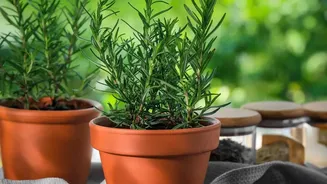
Prevention starts before you even add water. Ensure every pot has drainage holes to allow excess water to escape. If your pot sits in a saucer, be sure to empty any collected water within about 30 minutes of watering. The right soil is just as crucial. Herbs need a light, airy, and fast-draining potting mix. Heavy garden soil is not suitable for containers as it compacts easily and retains too much water, blocking oxygen from the roots. Look for a quality soilless potting mix, or amend a standard mix with perlite or sand to improve its drainage.
Caring for Your Tulsi Plant
Tulsi (Holy Basil) loves sun and warmth but is highly susceptible to root rot from overwatering in winter. The rule is simple: water only when the top inch of soil feels completely dry to the touch. During winter, this could mean watering as infrequently as every few days, depending on your home's conditions. Tulsi requires at least 4-6 hours of sunlight, so place it in your sunniest south-facing window. If you notice leaves turning black or stems becoming mushy, it’s a cry for help against too much water and cold.
Keeping Your Mint Thriving
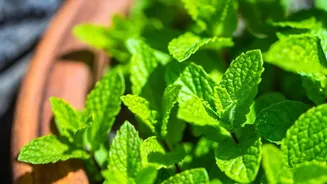
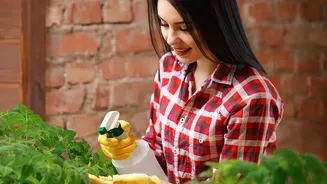
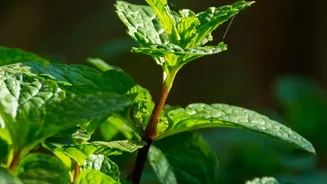
While mint generally likes consistently moist soil, its water needs decrease significantly in winter as its growth slows. Like with other herbs, allow the top centimetre or so of the soil to dry out before watering again. Mint is resilient but will quickly succumb to root rot in a soggy pot. If your plant begins to look leggy or sparse, it may also be a sign of insufficient light. Pruning it back gently can encourage bushier, healthier growth indoors. Since indoor air can be very dry, occasional misting may also help keep the leaves vibrant.
Nurturing Your Coriander
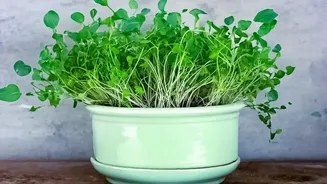
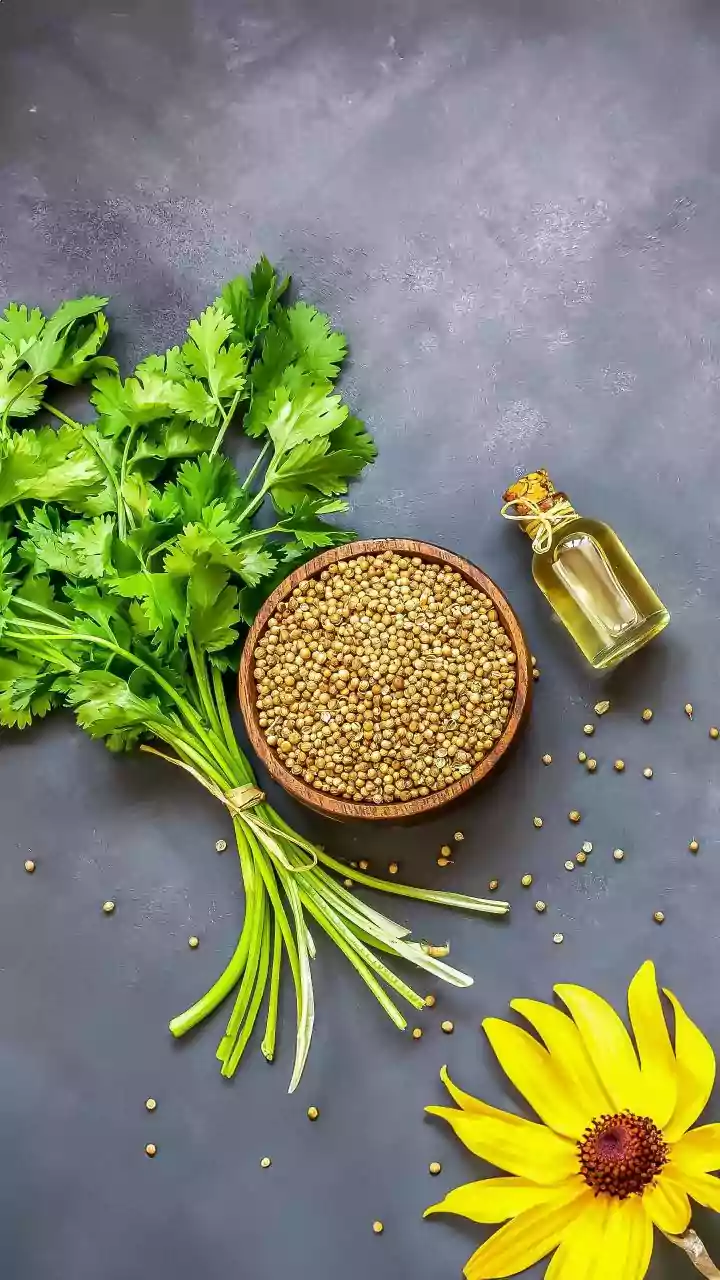
Coriander (also known as Cilantro) prefers consistently moist soil but is extremely sensitive to being waterlogged. In winter, you should let the top inch of soil dry out before providing more water. Overwatering can cause yellowing leaves and mushy stems, while underwatering can cause the plant to 'bolt' or flower prematurely, which shortens its life for leaf harvesting. Coriander also needs good light, at least 4-6 hours a day, to thrive indoors. A sunny spot is essential to keep it producing those fragrant leaves for your kitchen.