





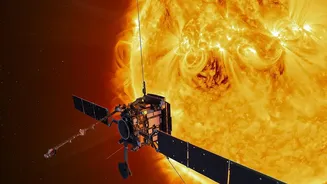
The Threat of Space Weather
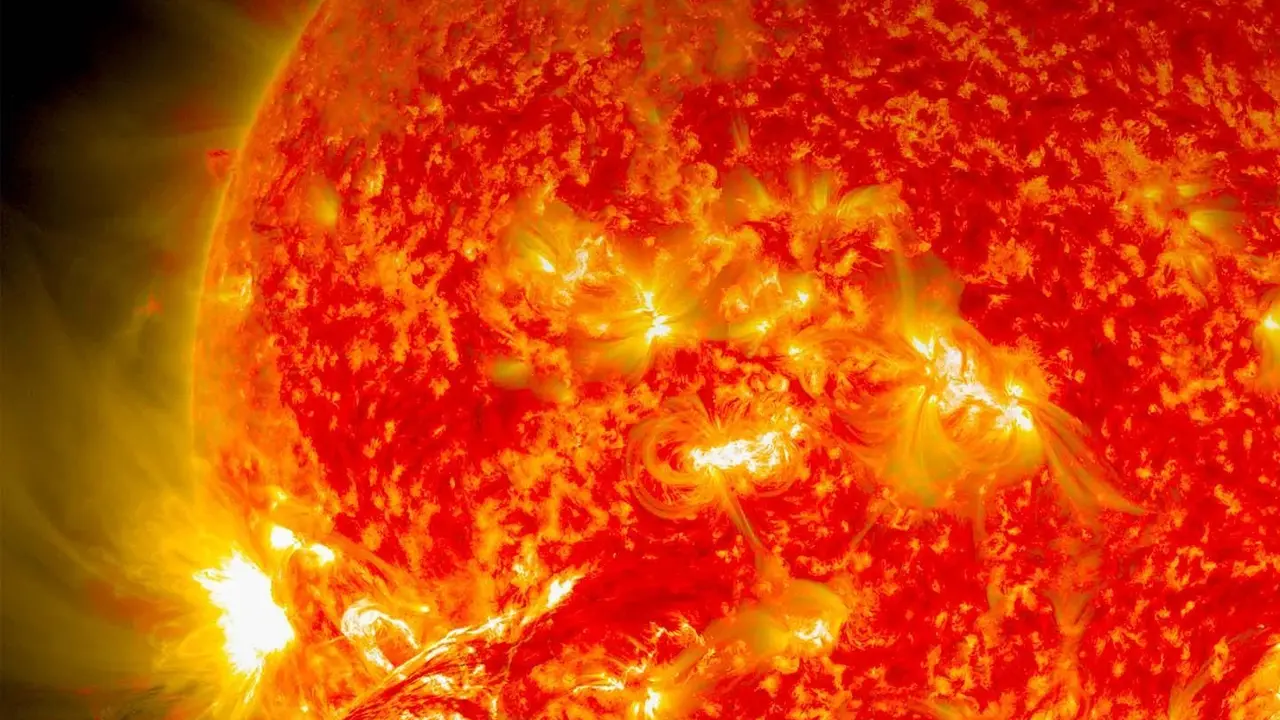
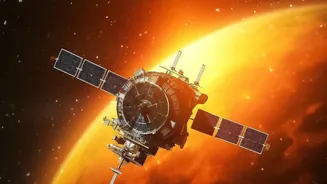
Space weather refers to the variable conditions in space driven by the Sun's activity. The main culprits are solar flares and coronal mass ejections (CMEs). A solar flare is an intense burst of radiation, while a CME is a massive eruption of solar plasma
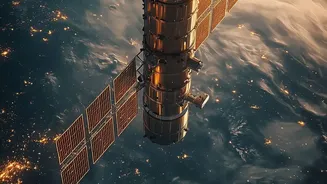
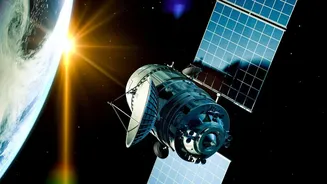
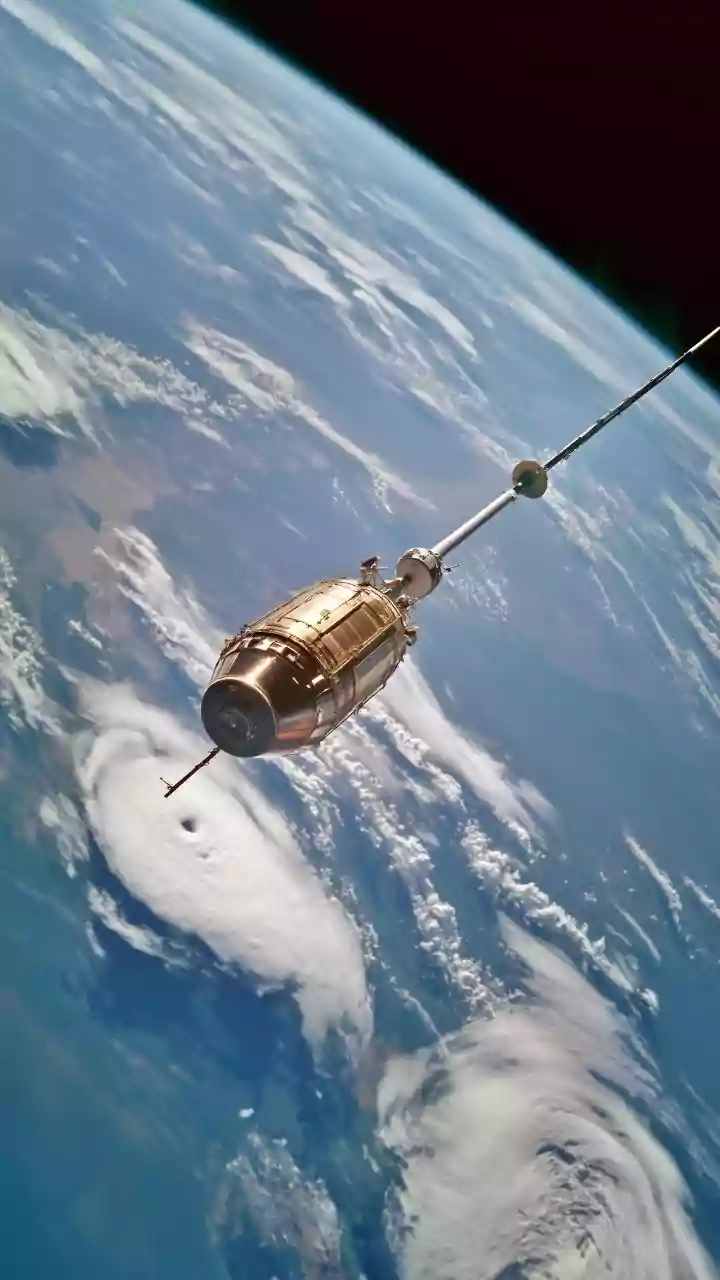
and magnetic fields. When directed at Earth, these events can have serious consequences. They can disrupt GPS and radio communications, damage satellites in orbit, and even cause widespread power outages by overloading electrical grids. With thousands of active satellites and our increasing dependence on this infrastructure, the need for accurate space weather forecasting has never been more critical.
Optical Telescopes: Seeing the Action
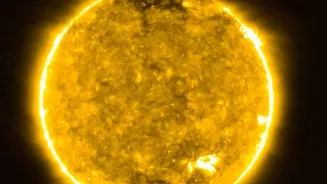
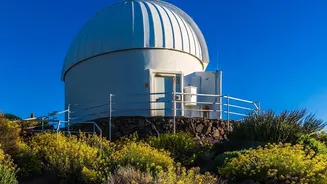
Optical telescopes, which observe the Sun in visible and near-visible light, are our first line of defense. But you can't just point a standard telescope at the Sun; specialized filters are needed to avoid damaging the instruments. These telescopes allow scientists to see the Sun's surface, or photosphere, in incredible detail. They can track the development of sunspots—cooler, magnetically complex regions that are often the birthplaces of solar flares. When a flare erupts, optical instruments like the Daniel K. Inouye Solar Telescope can capture the initial, brilliant flash of light, providing immediate confirmation of an event. They essentially provide the visual evidence of the Sun's activity.
Radio Telescopes: Listening to the Eruption
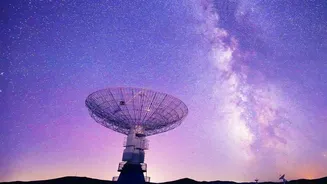
While optical telescopes see the flash, radio telescopes listen for the aftermath. Solar flares and CMEs emit powerful radio waves as charged particles are accelerated and shot out into space. Ground-based radio observatories, like the networks operated by the U.S. Air Force and new stations like ROSIE in Poland, can detect these radio bursts. Unlike visible light, radio waves can reveal information about processes happening higher up in the Sun’s atmosphere, the corona. They help astronomers track the speed, density, and movement of particle clouds that are invisible to optical telescopes, offering crucial clues about whether a CME is heading toward Earth.
A Multi-Wavelength Partnership
Neither optical nor radio telescopes can tell the whole story on their own. The real power comes from combining their data. Think of it this way: an optical telescope sees the muzzle flash of a cannon, confirming it has fired. A radio telescope, however, tracks the cannonball as it flies through the air. By using both, scientists get a complete picture. Optical data shows where on the Sun an event originated and when it happened. Radio data then helps determine the characteristics of the resulting eruption as it travels through space. This multi-wavelength approach is fundamental to space weather forecasting, allowing agencies like NOAA’s Space Weather Prediction Center (SWPC) to issue more accurate and timely warnings.
The Future of Solar Monitoring
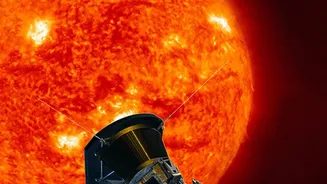
As our world becomes even more technologically integrated, our vulnerability to space weather grows. This has spurred the development of next-generation observatories. Facilities like the Daniel K. Inouye Solar Telescope provide unprecedented resolution of the Sun’s magnetic fields, which are the root cause of all solar activity. At the same time, advances in radio astronomy, such as new phased-array systems and AI-powered calibration, are making it possible to monitor solar wind and CMEs with greater sensitivity. This continuous innovation is crucial for improving our models and strengthening our ability to predict the Sun’s behaviour, protecting both our infrastructure on the ground and our assets in space.