





Setting Realistic Expectations
The famous 1989 NASA Clean Air Study popularised the idea that houseplants could purify indoor air. The study found that in a sealed chamber, certain plants were effective at removing volatile organic compounds (VOCs) like formaldehyde and benzene. However,
it's important to be realistic. Our homes are not sealed labs, and subsequent research has shown that you would need a very large number of plants—potentially hundreds—to significantly match the air-cleaning capacity of simple ventilation. That said, plants do contribute to a healthier and more pleasant indoor atmosphere. They increase oxygen levels, can improve humidity, and their presence is known to reduce stress. Think of them as a helpful supplement to other measures like air purifiers and proper ventilation, not a replacement.
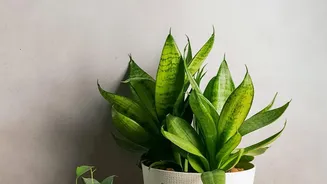
The Hardy Snake Plant (Sansevieria trifasciata)
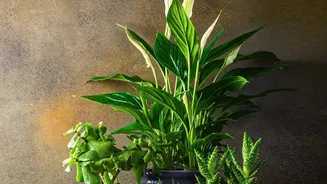
Often called 'mother-in-law's tongue', the Snake Plant is one of the most resilient and low-maintenance air purifiers you can own. It's famous for its ability to filter indoor air, and what makes it special is that it converts carbon dioxide into oxygen at night, making it an excellent choice for bedrooms. Practical Care: Snake Plants are succulents, so they are very drought-tolerant. Water them only when the soil is completely dry to the touch, roughly every 3-8 weeks depending on the season. They thrive in bright, indirect light but can tolerate low-light conditions, making them versatile for different spots in a Delhi apartment. Use a well-draining soil mix, like one for cacti, to prevent root rot.
The Elegant Areca Palm (Dypsis lutescens)
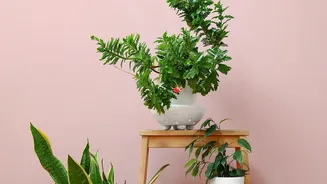
The Areca Palm, with its feathery, arching fronds, brings a touch of the tropics indoors and is known for being a powerful air humidifier and toxin remover. It's particularly effective at breaking down compounds like formaldehyde and xylene. Practical Care: Areca Palms prefer bright, indirect sunlight, so a spot near a south- or west-facing window is ideal, but shielded from harsh direct rays which can scorch the leaves. They like their soil to be consistently moist but not waterlogged; water when the top inch of soil feels dry. These plants appreciate higher humidity, which can be a challenge in Delhi's dry winters. To help, you can mist the leaves occasionally, group it with other plants, or place it on a tray of pebbles with water. Keep it in a warm spot, ideally between 18°C and 24°C.
The Versatile Money Plant (Epipremnum aureum)
Known as Pothos, this is arguably one of the most common houseplants in India for a reason. It's incredibly easy to grow and is an effective air purifier, tackling common household toxins like formaldehyde, benzene, and xylene. Some sources also suggest it may help absorb radiation from electronic devices. Practical Care: The Money Plant is very forgiving. It thrives in a variety of lighting conditions, from low, indirect light to brighter spots, but avoid direct sun. You can grow it in soil or even just in a bottle of water. When potted in soil, water it every one to two weeks, allowing the soil to dry out between waterings. Its trailing vines can be trained to climb or cascade, making it a versatile decorative element in your home.
Maximising Your Plants' Benefits
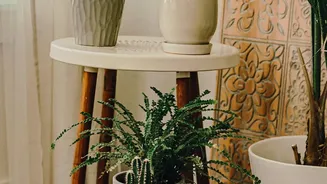
To get the most out of your green companions, a few general practices can help. The more leaf surface area you have, the better the air-filtering potential. Therefore, grouping several plants together is more effective than having a single plant. A general recommendation from some experts is to aim for at least two good-sized plants per 100 square feet. Keep the leaves clean by gently wiping them with a damp cloth every few weeks. A layer of dust can block the tiny pores (stomata) through which plants absorb airborne pollutants. Finally, ensure your pots have good drainage to prevent overwatering, which is the most common reason indoor plants fail.