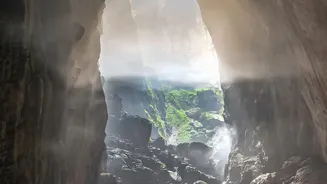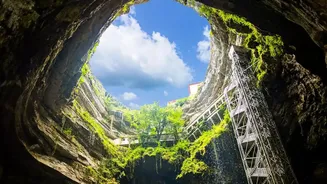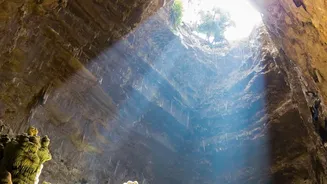






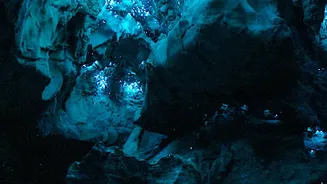
Forget everything you think you know about caves. In Slovenia, a subterranean world awaits that is so vast and astonishing, it requires a train to explore. Postojna Cave is not just a geological marvel; it is an adventure destination.
An Adventure by Rail
The experience at
Postojna Cave begins unlike any other, with a journey on the world's only double-track cave railway. First opened in 1872, the railway was initially operated by guides pushing the carts. Today, an electric train whisks visitors along a 3.7-kilometre route, deep into the heart of the 24-kilometre cave system. This thrilling ride weaves through magnificent tunnels and vast halls, passing by illuminated formations that hint at the wonders to come. The 90-minute standard tour combines the train ride with an easy walk along a paved path, making the cave's beauty accessible to families and visitors with limited mobility. Guided tours are available in several languages, and audio guides cover nearly 20, ensuring a rich experience for all.
A Gallery of Natural Sculptures
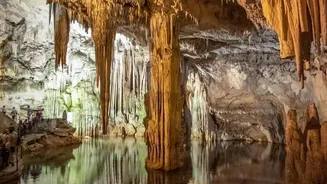
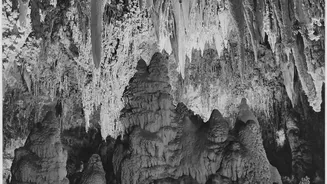
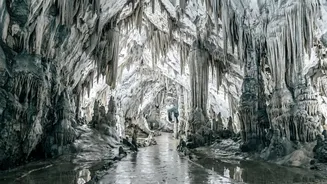
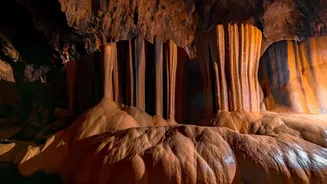
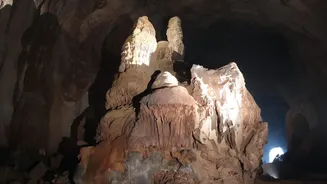
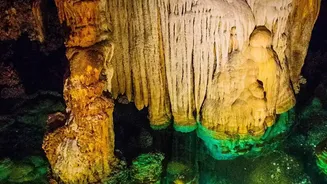
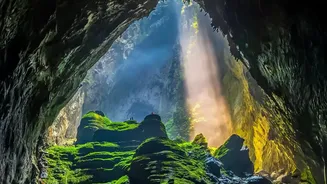
Once off the train, you step into a breathtaking subterranean gallery sculpted by water over millions of years. The walking portion of the tour winds through a series of chambers, each with a distinct character. You'll see the so-called 'Spaghetti Hall', with its ceiling covered in countless thin, delicate stalactites, and the 'Red Hall', coloured by iron minerals. The highlight for many is the 'Brilliant', a five-metre-tall, dazzlingly white stalagmite that has become a symbol of the cave. Nearby stands an ornate column, completing a scene of natural artistry. The sheer scale and variety of formations—from towering columns where stalactites and stalagmites meet to translucent 'curtains' of rock—make it clear why Postojna is one of the world's most famous caves.
Meet the Legendary 'Baby Dragons'
Postojna is also a cradle of speleobiology, the study of cave life. It is famously home to the olm (Proteus anguinus), a blind aquatic salamander that ancient legends mistook for a baby dragon. These fascinating creatures are perfectly adapted to a life in darkness, can live up to 100 years, and can survive for a decade without food. While thousands live naturally within the cave's waterways, visitors can see these 'human fish' up close in a specially designed aquarium area and the Vivarium, a separate exhibition dedicated to the cave's unique fauna. In 2016, the world watched as olm eggs hatched here, a rare event that solidified the cave's status as a vital research centre.
For the True Adventurer
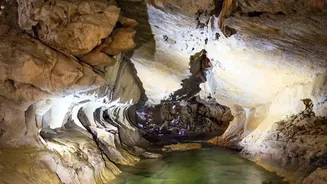
For those who crave a more intense experience, Postojna offers a range of adventure tours that go far beyond the standard path. These small group excursions, led by experienced guides, allow you to explore parts of the cave system that are otherwise inaccessible. Donning full caving gear, including a helmet and headlamp, you can trek through challenging passages, cross water obstacles, and follow in the footsteps of the original explorers. Tours vary in difficulty and duration, from a few hours to more demanding six hour treks. One popular option involves a trek through three interconnected caves: Pivka, Black Cave, and Postojna itself. These tours offer a more authentic and physically engaging way to appreciate the raw, untouched beauty of this vast underground network.
The Castle in the Cliff
Just nine kilometres from Postojna Cave lies a sight straight from a fantasy novel: Predjama Castle. Listed by Guinness World Records as the world's largest cave castle, this medieval marvel is built into the mouth of a 123 metre high cliff. For over 800 years, it has stood as a seemingly impenetrable fortress. The castle is famously linked to the legend of Erazem of Predjama, a rebellious 15th century knight who used a network of secret tunnels behind the castle to withstand a year long siege. Many visitors combine a trip to the cave with the castle, as combo tickets are available and a shuttle runs between the two sites in high season.