

More Than Just Old Furniture
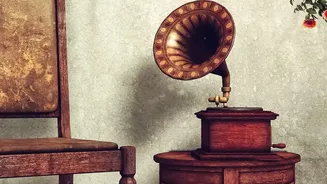
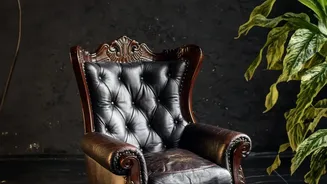
Opting for pre-loved pieces is about more than just saving money; it is a conscious choice for style and sustainability. Second-hand furniture brings a sense of history and uniqueness that mass-produced items often lack. An old wooden chair or a table
made from reclaimed timber tells a story, adding a layer of soul to your home. These pieces were often built with superior craftsmanship and high-quality solid woods like teak or sheesham, designed to last for generations, unlike many modern flat-pack alternatives. Furthermore, by giving an old item a new home, you are participating in a circular economy, reducing landfill waste and lessening the demand for new manufacturing, which helps conserve natural resources.
The Thrill of the Hunt
Finding the perfect piece is an adventure in itself. In India, the options are plentiful. Online marketplaces like OLX and Facebook Marketplace are vast treasure troves where you can filter searches for specific materials like 'solid wood' or 'teak' to find quality items. For those who enjoy a more hands-on approach, the bustling antique markets and local bazaars in cities like Delhi and Mumbai are legendary. These places offer a chance to discover truly unique items with rich histories. Don't overlook estate sales or families who are relocating; they often sell high-quality furniture at excellent prices. Keeping an eye on community groups and apartment society networks can also lead to fantastic local finds.
A Savvy Shopper's Checklist
When buying second-hand, a little knowledge goes a long way. The most important thing to look for is 'good bones'—a sturdy and well-made structure. For wooden furniture, always check the joints by applying gentle pressure; they shouldn't wobble or creak. Look at the underside and back of a piece to assess the true quality of the wood. Open and close all drawers and doors to ensure they function smoothly. A musty smell can be a red flag for moisture damage, so always do a quick sniff test. It's best to avoid items made from engineered wood or MDF, as they are difficult to repair if they have water damage or peeling laminate. While a few surface scratches can be easily fixed, deep structural issues are best avoided.
Blending Old and New
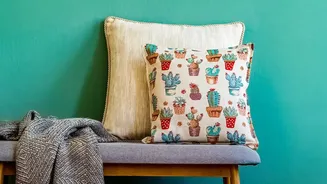
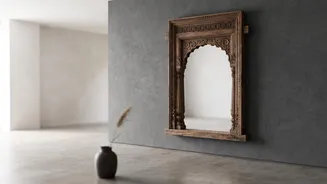
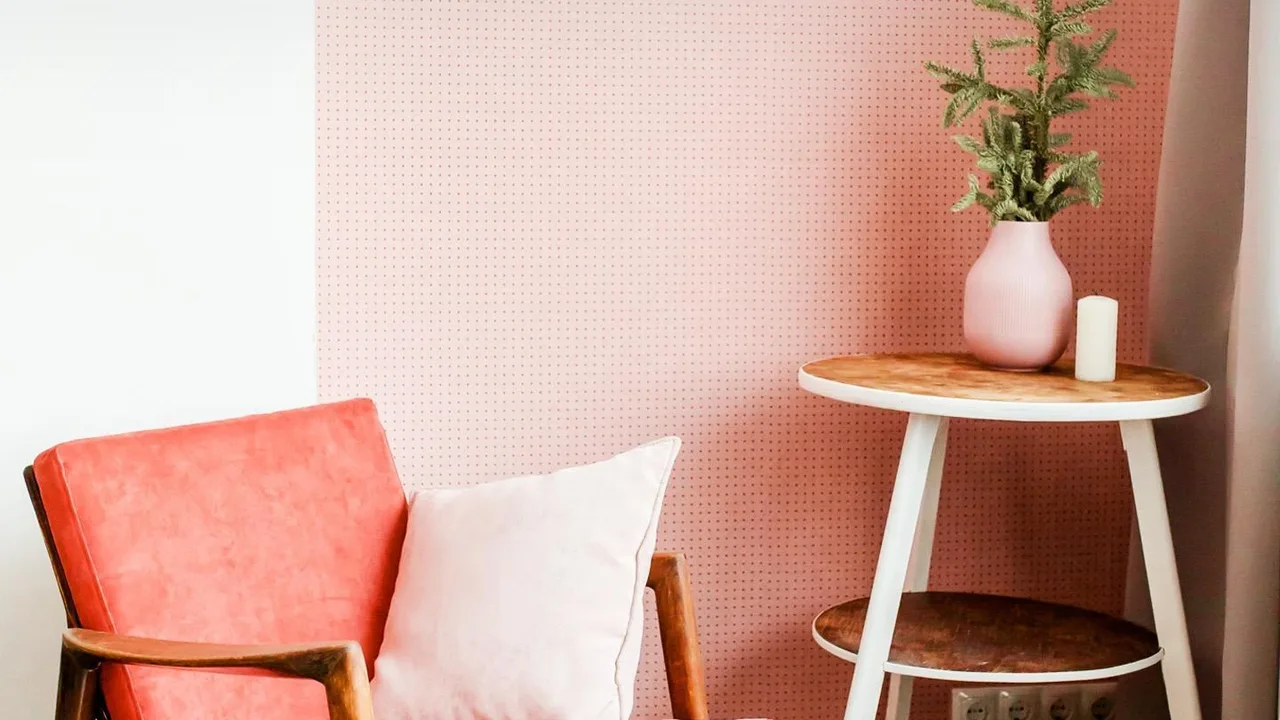
Integrating a vintage piece into a modern home is an art of balance. You don't need everything to match. In fact, contrast is what creates visual interest. A rustic wooden table can look stunning against sleek, modern chairs, or an ornate vintage mirror can become the focal point in a minimalist room. One effective strategy is to use a cohesive colour palette to unify the space. You can paint a vintage find to match your current decor or use textiles like cushions and rugs to tie the old and new elements together. The goal is to make the piece feel intentional and curated, not like an accidental addition. Start small with an accent chair or a side table to build your confidence.
A Touch of Personalisation
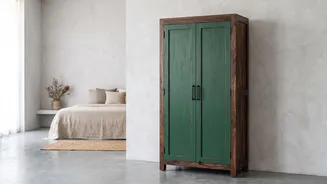
One of the greatest joys of second-hand furniture is the opportunity for personalisation. A simple DIY update can completely transform a dated item into a bespoke treasure. A fresh coat of paint is the easiest and most impactful change. You could go for a bold, contrasting colour to make a statement or a soft, muted tone to blend in. Changing the hardware—like the handles on a chest of drawers or knobs on a cabinet—is another quick and affordable way to modernise a piece. For chairs with worn fabric, reupholstering the seat with a new, vibrant textile can give it a completely new identity. These small projects are not just about refurbishment; they're about infusing your own personality into your home.