

Ladakh: The High-Altitude Haven
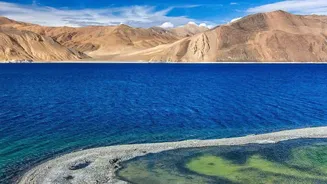
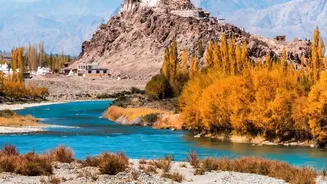
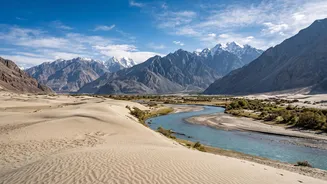
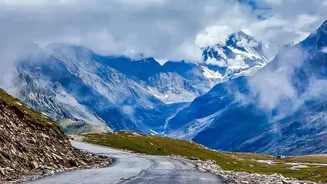
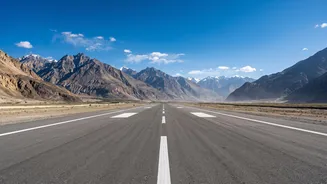
If your goal is to escape the rain entirely, Ladakh is your answer. Due to its position in the Himalayan rain shadow, Ladakh experiences a dry, sunny, and pleasant climate during the monsoon months of July and August. This makes it the peak season for
tourism. Expect clear blue skies, comfortable daytime temperatures perfect for sightseeing, and vibrant landscapes as the minimal rainfall brings a surprising green hue to the valleys. Access is most reliable via flights into Leh, as the road highways from Manali and Srinagar, while generally open, can face temporary closures due to landslides in the lower, rain-affected regions. The travel experience is one of high-energy adventure. Roads to iconic spots like Pangong Lake and Nubra Valley are clear, trekking routes are bustling, and it's a prime time for white-water rafting on the Zanskar and Indus rivers. This is the time for monastery festivals and a vibrant atmosphere, but be prepared for higher prices and bigger crowds.
Kerala: The Emerald Embrace
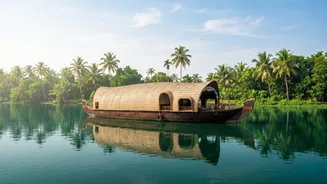
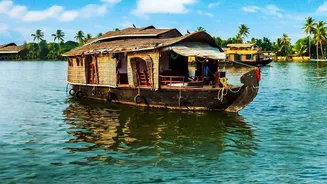
For those who embrace the romance of the rain, Kerala becomes a verdant paradise. The southwest monsoon, from June to September, drenches the state, making the countryside impossibly lush and green. Waterfalls are at their most powerful, the backwaters are brimming, and the entire landscape is misty and atmospheric. While it rains heavily, it's often in bursts rather than all-day downpours. Accessibility is generally good, with major airports in Kochi and Trivandrum operating as usual, though local travel in hilly areas like Munnar requires caution due to slippery roads and potential landslide risks. The travel experience here is slower and more restorative. This is considered the best season for authentic Ayurvedic treatments, as the cool, moist air is believed to aid the therapies. It's an off-season for tourism, which means significantly fewer crowds and lower prices for accommodation and flights. It's perfect for a wellness retreat, a romantic getaway, or simply enjoying the serene beauty of the rain-washed tea plantations and backwaters.
Goa: The Quiet Coastal Retreat
Monsoon in Goa offers a completely different personality from its famous winter party scene. From June to September, the state is quiet, green, and incredibly peaceful. While it is the rainy season, you'll find plenty of sunshine between the showers. Many of the temporary beach shacks are closed, and swimming in the rough sea is prohibited for safety. However, the beaches are empty, clean, and perfect for long walks under dramatic, cloudy skies. Access is easy via flights, and while some businesses close, most permanent restaurants, cafes, and bars in towns like Panjim, Candolim, and Calangute remain open. The experience is about enjoying a slower pace of life. It’s a time for exploring the lush hinterland, visiting majestic waterfalls like Dudhsagar at their peak, discovering the heritage of Old Goa, and enjoying the state’s culinary scene without the crowds. Accommodation is available at a fraction of the peak-season cost, making it a fantastic budget-friendly option for those seeking solitude and nature.
Your Monsoon Match: A Quick Comparison
Choosing the right destination comes down to your travel style. For guaranteed sunshine, adventure sports, and dramatic mountain scenery, with the trade-off of higher costs and crowds, Ladakh is the clear winner. For a romantic, rejuvenating escape focused on wellness, lush landscapes, and incredible value, Kerala offers a deeply atmospheric experience, provided you are happy to embrace the rain. For a peaceful, budget-friendly coastal holiday with uncrowded beaches and a chance to see a greener, more serene side of a popular destination, Goa in the monsoon is an underrated gem. Each offers a unique way to experience the magic of the Indian monsoon, whether you are running from the rain or diving right into it.