






The Predictable Chaos
For Delhi and NCR residents, the monsoon brings welcome relief from the heat, but it also ushers in a period of predictable chaos on the roads. Recent downpours this July have once again highlighted the city's vulnerability to waterlogging. Major arterial
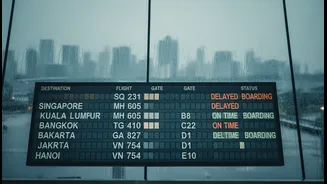
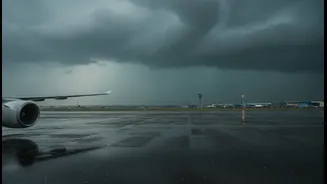
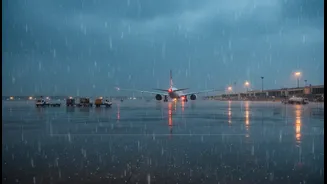
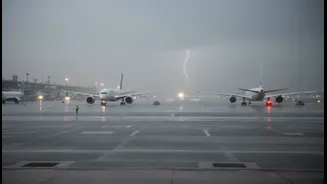
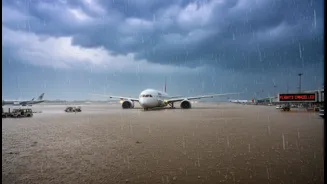
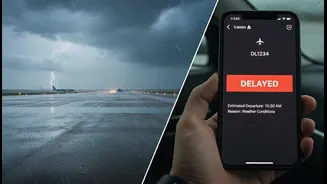
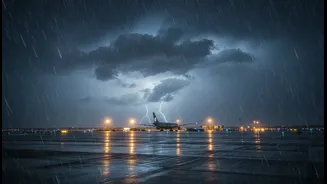
roads and underpasses become submerged within hours, leading to gridlock that can paralyse the city. This isn't just a minor inconvenience; for air travellers, it's a high-stakes problem where a miscalculation can mean a missed flight. Airlines like Akasa Air, IndiGo, and Air India have repeatedly issued advisories this season, urging passengers to allow for extra travel time due to slow-moving traffic and potential congestion. In early July, some flights had to be diverted from Delhi to Jaipur and Lucknow due to the severe weather, underscoring how quickly conditions can escalate.
The Airport Choke Points
Reaching Indira Gandhi International (IGI) Airport during a downpour is a unique challenge. Key routes become notorious choke points. The Delhi-Gurugram Expressway (NH-48), a primary artery to the airport, is frequently affected. Reports from this monsoon season mention severe traffic jams and even parts of the highway caving in near Narsinghpur, forcing closures and diversions. Underpasses and low-lying areas near the airport, such as Mahipalpur and Rangpuri, are prone to severe waterlogging, sometimes becoming completely impassable. Commuters have faced significant delays on the Outer Ring Road and roads around Dhaula Kuan, which are critical for airport access from various parts of the city. The problem is so acute that Gurugram Police have even advised corporate offices to allow work-from-home arrangements to reduce traffic during heavy rainfall.
Why Your App Is Not Enough
While navigation apps are useful, they can be unreliable in extreme weather. A route that appears clear one moment can become a waterlogged parking lot the next. The ripple effect of a single flooded underpass can create unforeseen traffic jams miles away. Furthermore, the availability of app-based taxis can plummet during heavy rain, just as demand soars. Drivers may cancel trips to avoid getting stuck in traffic or flooded areas, and those who do accept often do so at significantly higher surge prices. This leaves flyers in a vulnerable position, scrambling for transport at the last minute. The airport itself has acknowledged these challenges, advising passengers in the past to consider using the Delhi Metro to avoid road-related delays. Even the airport terminals have experienced waterlogging during exceptionally intense storms, adding another layer of potential disruption.
Your Monsoon Airport Game Plan
Relying on hope is not a strategy when your flight is on the line. A proactive plan is essential. As a rule of thumb, double your normal travel time to the airport. If it usually takes one hour, allow at least two. Before you leave, check for real-time updates. The social media accounts of the Delhi Traffic Police and Gurugram Traffic Police often post alerts about waterlogged areas and diversions. Also, monitor airline advisories, as they frequently warn of expected disruptions. By far the most reliable way to beat the rain-induced traffic is to take the Airport Express Line of the Delhi Metro. It is immune to waterlogging and traffic jams, offering a fixed and predictable travel time from stations like New Delhi and Shivaji Stadium. If you must take a car, pre-book it and try to leave well before the peak of the downpour, if possible.