




Nature's Monsoon Gift
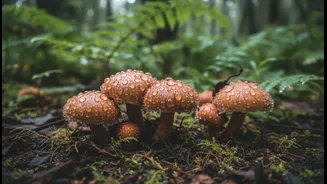
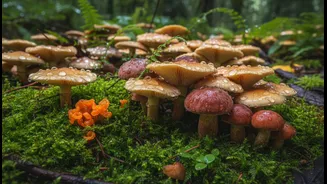
The connection between the monsoon and mushrooms is elemental. The cool, damp, and humid environment created by the seasonal rains provides the perfect conditions for fungi to flourish. While common varieties like button, oyster, and milky mushrooms are
cultivated year-round, the monsoon is when they thrive, making them abundant and affordable. This season also triggers the spectacular, if brief, appearance of unique wild varieties, many of which cannot be commercially grown and are deeply embedded in regional culinary traditions. From forest floors to termite mounds, this is when nature’s hidden pantry truly opens up.
Goa's Sacred Delicacy: Roen Olmi
Along the Konkan coast, particularly in Goa, the monsoon ushers in the season of 'Olmi'. These are wild mushrooms of the Termitomyces genus, which grow exclusively on termite hills ('roen' in Konkani). For generations, their arrival has been a celebrated culinary event, coinciding with the Shravan month when many abstain from meat. These mushrooms are considered sacred by some communities, with the termite mounds seen as symbols of the earth goddess. Known locally by many names including 'Alambi' or 'Shitol Olamis', they have a deeply meaty texture and are traditionally cooked into fiery coconut-based curries like Xacuti. Their appearance is fleeting, lasting only a few weeks, which makes them a highly sought-after and expensive delicacy.
Jharkhand's Vegetarian Mutton: Rugda
In the dense Sal forests of Jharkhand and Chhattisgarh, the rains bring forth a unique, spherical underground mushroom known as Rugda, or Boda. Resembling small, tough-skinned white balls, they are foraged by local tribal women who spot tell-tale cracks in the soil. Inside, a yolk-like substance gives Rugda its distinctive, meat-like flavour, earning it the nickname 'vegetarian mutton'. It grows naturally at the base of Sal trees and has a firm, crunchy texture when cooked. Often used as a meat substitute during periods of vegetarianism, it is typically prepared as a rich, spicy curry enjoyed with rice. Due to its extreme perishability and the fact it cannot be cultivated, Rugda remains a rare delicacy mostly enjoyed within the region.
The Himalayan Treasure: Gucchi
Venture into the high-altitude forests of the Himalayas, in regions like Kashmir, Himachal Pradesh, and Uttarakhand, and you might find the prized Gucchi, or morel mushroom. With its distinctive spongy, honeycombed head and deep, nutty flavour, Gucchi is one of the most expensive mushrooms in the world, with prices reaching ₹30,000 to ₹40,000 per kilogram. They cannot be commercially farmed and appear for only a short season from March to May after the snow melts. Foragers collect them by hand in a laborious process, contributing to their high cost. Used in luxurious pulaos and curries, Gucchi mushrooms are a symbol of gourmet indulgence.
Cooking Monsoon Comfort
Beyond these rare finds, the simple button or oyster mushroom offers immense comfort during the rains. A warm bowl of mushroom masala curry, rich with onions, tomatoes, and aromatic spices, is a weeknight staple in many homes. South Indian-style pepper fry, with its kick of black pepper and curry leaves, makes for a perfect rainy day snack. Whether stir-fried, added to a biryani, or simmered in a coconut-based Goan Xacuti, mushrooms have a versatile ability to absorb flavours while providing a satisfying, earthy taste that pairs perfectly with the moody weather. From simple steamed momos with a mushroom filling to a hearty bowl of curry, their presence on the plate is synonymous with monsoon comfort.
A Note on Foraging Safely
The allure of wild mushrooms is undeniable, but it comes with significant risks. There is no universal rule to distinguish edible mushrooms from their toxic look-alikes. Many poisonous varieties can cause severe illness or can even be fatal. Cases of accidental poisoning are reported every year in India, often during the monsoon. Even experienced foragers can make mistakes. Therefore, unless you are with a certified expert or have absolute, proven knowledge, it is safest to purchase wild mushrooms from trusted local vendors and never consume a mushroom you cannot identify with 100% certainty.