





The Coastal Cornucopia
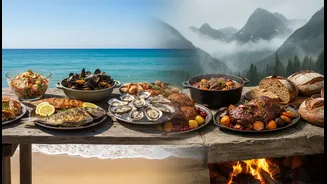
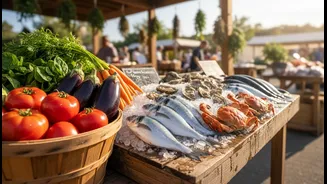
India's sprawling 7,500-kilometre coastline offers a staggering diversity of seafood-centric cuisines that go far beyond a simple fish curry. In the Konkan region, which includes Maharashtra and Goa, the food is a symphony of fresh coconut, tangy kokum,
and fiery spices. Dishes like Bombil Fry (crispy Bombay Duck) and the complex, multi-layered Kombdi Vade are staples. Further south along the Malabar coast of Kerala, culinary traditions influenced by centuries of trade are evident in dishes like the fragrant Thalassery Biryani and Kallummakkaya curry, where mussels are simmered in a rich stew. On the opposite Coromandel Coast, Tamil Nadu's Chettinad cuisine is famous for its fiery prawn masala, while Bengali kitchens are renowned for their delicate and masterful preparations of freshwater fish. This token representation on menus often misses the hyperlocal specialities and the unique interplay of ingredients like tamarind, coconut, and region-specific chillies that define each coastal tradition.
Beyond Biryani in the Deccan
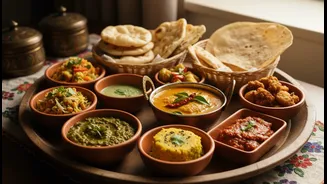
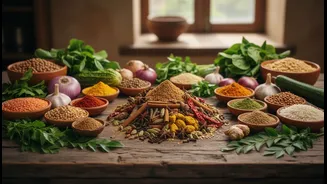
The Deccan Plateau, a vast inland region, is often reduced to a single dish in the popular imagination: Hyderabadi Biryani. While a culinary masterpiece, it is but one star in a brilliant constellation. The broader Deccan cuisine, spanning parts of Telangana, Maharashtra, and Karnataka, is rustic, robust, and brilliantly adapted to its arid climate. Telangana's food, for example, is characterized by the liberal use of tamarind, red chillies, and peanuts, designed to boost metabolism in the scorching heat. Dishes like sajja rote (pearl millet bread) and the iconic Gongura Mamsam (mutton cooked with sour sorrel leaves) showcase a reliance on hardy local ingredients. The wider cuisine of the plateau features unique spice blends like Goda Masala and ingredients such as the Deccani sheep, a breed whose meat has a distinct flavour that has historically been central to the region's food but is now disappearing. Reducing this rich heritage to just biryani ignores a world of flavour built on millets, unique vegetables, and slow-cooking techniques.
Whispers from the Himalayas
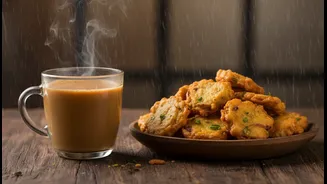
Perhaps the most underrepresented of all is the food of the Himalayan belt, from Ladakh to Uttarakhand and parts of the Northeast. This is a cuisine born of high altitudes, short growing seasons, and incredible ingenuity. In Uttarakhand, the food is divided into Garhwali and Kumaoni styles. It is defined by ingredients like jhangora (barnyard millet), mandua (finger millet), and bhatt (black soybeans). Dishes are often cooked slowly in iron pots to enhance their flavour, such as Kafuli (a creamy stew of spinach and fenugreek) or the protein-rich Chainsoo (made from roasted black gram lentils). The cuisine makes use of wild, foraged greens like lingora (fiddlehead fern) and unique tempering spices like jakhiya. Restaurants like Yeti have brought some of these flavours, including Tibetan and Nepali dishes like Thukpa and Thakali thalis, to a wider audience, but they remain a rarity. These dishes tell a story of mountain life, with a focus on nutrition, warmth, and making the most of a challenging environment.
Why the Token Representation?
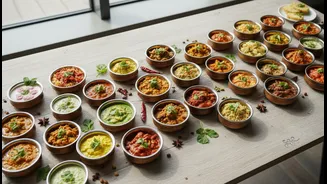
The marginalization of these cuisines on mainstream menus is often a commercial decision. Restaurateurs may perceive them as risky, assuming a lack of diner familiarity and demand compared to the proven popularity of North Indian staples. The stereotypes of what constitutes "Indian food" both at home and abroad often default to a narrow band of Punjabi-Mughlai dishes. Furthermore, sourcing authentic, region-specific ingredients, like the unique herbs from the Himalayas or fresh coastal seafood inland, presents significant supply chain challenges. There is also a shortage of chefs trained in the specific, often labour-intensive techniques required for these traditional cuisines, which can differ greatly from standard restaurant cooking. This combination of perceived low demand, logistical hurdles, and a skills gap often leads to these vibrant food cultures being relegated to a single, often simplified, dish on a vast menu.
The Champions of a New Narrative
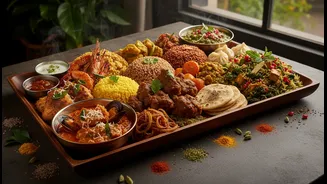
Thankfully, a growing movement of chefs and restaurateurs is pushing back against this homogenization. Across India, they are championing hyper-regional food with pride and confidence. Restaurants are emerging that focus exclusively on the culinary traditions of a specific region, from Himalayan kitchens to those celebrating the nuances of South Indian coastal fare. Chefs are reviving forgotten recipes and highlighting indigenous ingredients, working with local farmers and producers to bring authentic flavours to the forefront. Establishments in cities like Hyderabad are making a conscious effort to showcase the depth of Deccan food beyond the usual suspects, while others are earning global acclaim for their modern interpretations of South Indian coastal dishes. This new wave is not just cooking food; it is preserving and celebrating a vital part of India's cultural heritage.