




The Allure of the Monsoon
For generations, Indian travel has been synonymous with chasing the sun and avoiding the downpour. But a significant shift is underway. In Coorg, the monsoon is no longer the off-season; for a growing number of people, it’s the main event. Instead of crowded
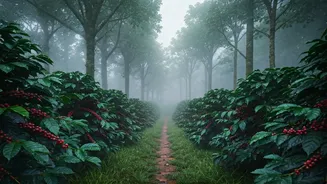
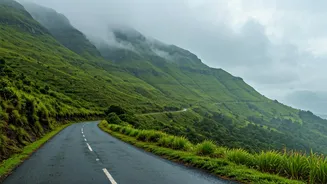
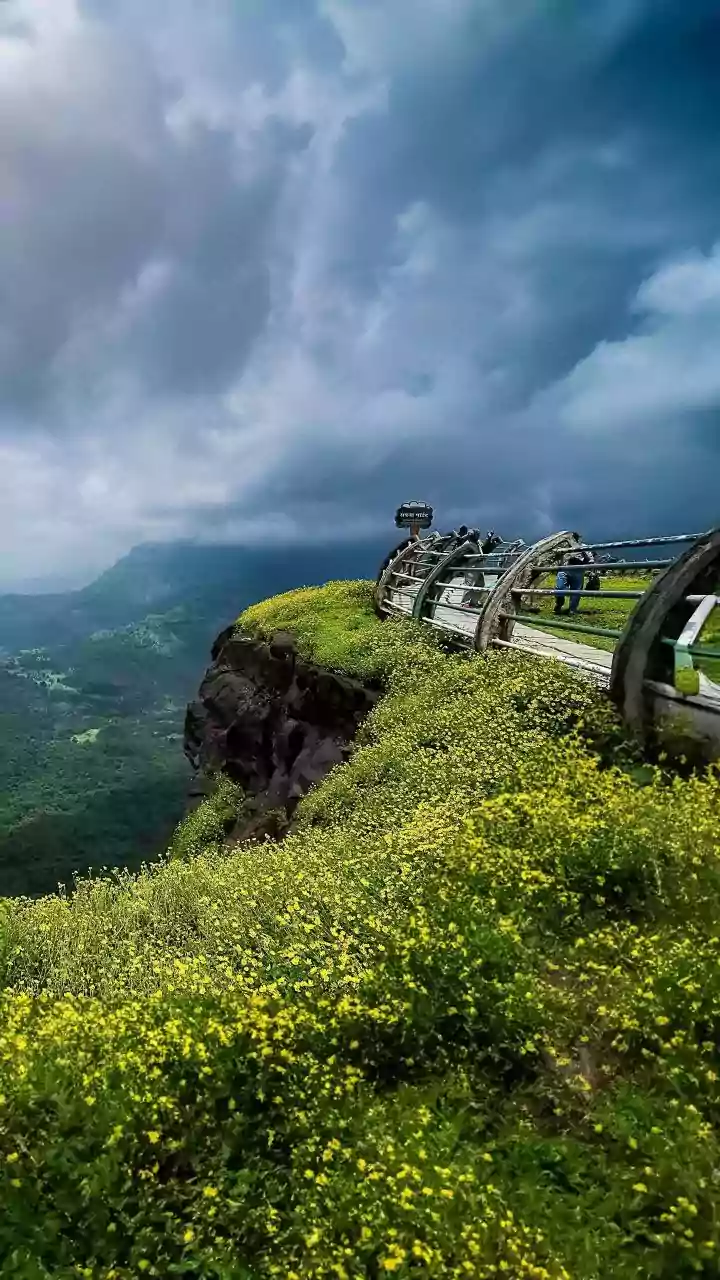
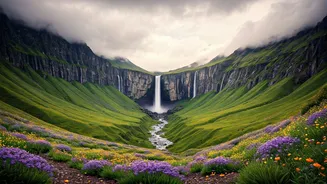
viewpoints and dusty trails, travellers are seeking the drama of thunderclouds rolling over emerald hills, the constant percussion of rain on tiled roofs, and the earthy perfume of petrichor rising from coffee plantations. This isn't about ticking off a list of sights. It's an immersive, sensory experience—a chance to see the 'Scotland of India' at its most vibrant and alive, when waterfalls are thundering giants and the landscape is washed clean in a thousand shades of green.
What Defines an 'Eco Villa'?
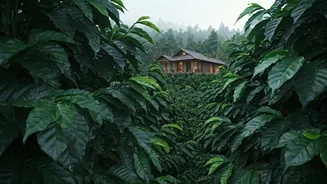
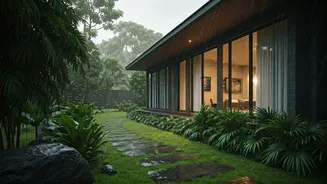
The term ‘eco villa’ is key to understanding this trend. These are not your standard concrete hotels. In the context of Coorg, these properties are designed to blend with, rather than dominate, the environment. Think architecture that prioritizes natural light and ventilation, construction using local materials like bamboo, wood, and laterite stone, and a footprint that respects the surrounding ecosystem. Many are situated within sprawling coffee or spice estates, offering an intimate connection to the land. Features like rainwater harvesting, solar power, and on-site organic gardens are common. The luxury here isn't opulence; it's authenticity, privacy, and the unparalleled feeling of being enveloped by nature without sacrificing comfort.
An Itinerary Written by the Rain
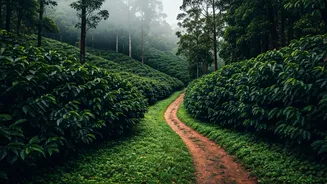
So, what do you do when it’s pouring outside? The answer, for these travellers, is 'plenty'. The monsoon unlocks a unique set of activities. Guided treks take you to waterfalls like Abbey and Iruppu, which are at their majestic peak during these months. Plantation walks become a different adventure, with the glistening coffee cherries and the scent of damp soil creating a deeply atmospheric experience. Bird-watching enthusiasts find that many species are particularly active. For many, however, the main activity is inactivity. It’s about curling up in a bay window with a book and a cup of freshly brewed local coffee, watching the mist snake through the valleys. It’s about long conversations, enjoying hearty Kodava cuisine like Pandi Curry, and letting the rhythm of the rain reset your internal clock.
The Digital Detox Dream
This booking surge is deeply connected to the larger wellness and slow-travel movements that gained momentum post-pandemic. The appeal of a Coorg eco villa in the rain is its promise of a genuine disconnect. While Wi-Fi is often available, the environment itself encourages you to put your phone away. The goal is not to capture the perfect Instagram shot (though the misty landscapes are incredibly photogenic), but to be fully present. It’s a rebellion against the over-scheduled, hyper-connected nature of modern life. Travellers are finding that the cure for digital burnout isn't a packed city break but the profound peace of a place where the loudest sound is the rain.
A More Sustainable Season
This trend also offers a quiet benefit to the local economy and environment. Overtourism during peak seasons (like summer and winter holidays) puts immense pressure on Coorg's fragile infrastructure and ecosystem. By embracing the monsoon, travellers help distribute the economic benefits of tourism more evenly throughout the year. This provides more stable, year-round employment for locals in the hospitality sector. It also means the environmental load—traffic, waste, water usage—is spread out, giving the region more breathing room. Choosing to visit during the 'off-season' is becoming a conscious choice for those who want to travel more responsibly.