

The ‘Shoulder Season’ Sweet Spot
In the world of travel, the period between the peak and off-peak seasons is known as the 'shoulder season'. For India, this falls roughly between September and November. After the monsoon rains have washed the subcontinent clean and before the winter
holiday rush begins, a delightful calm sets in. The weather across most of the country becomes exceptionally pleasant, with clear skies and moderate temperatures, making it ideal for sightseeing and outdoor activities. This post-monsoon period offers a refreshing transition, with landscapes that are still lush and green from the rains but without the constant downpours.
Fewer Crowds, More Authentic Experiences
Imagine exploring majestic forts in Rajasthan or cruising the serene backwaters of Kerala without jostling for space. One of the biggest advantages of travelling in autumn is the significant reduction in tourist crowds. Popular destinations that are typically overwhelmed during the peak winter months of December and January are relatively peaceful in October and November. This allows for a more authentic and immersive experience. You get to connect more with local culture, enjoy monuments at a relaxed pace, and find that perfect photo spot without an army of people in the background. Fewer tourists often means a more relaxed atmosphere overall, turning a good holiday into a great one.
A Welcome Break for Your Wallet
Travelling during the shoulder season is not just a smarter choice for your peace of mind; it's also a savvy move for your budget. With lower demand, airlines and hotels often offer significant discounts compared to the peak winter season. Accommodation prices can be substantially lower, sometimes even by half, allowing you to opt for a more luxurious stay or simply save money. This financial benefit makes autumn an attractive option for budget-conscious travellers who still want to experience the best of India without compromising on comfort or location.
Nature's Post-Monsoon Grandeur
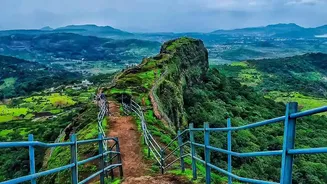
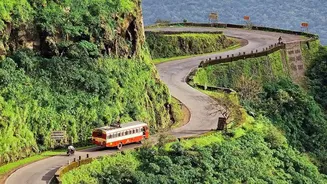
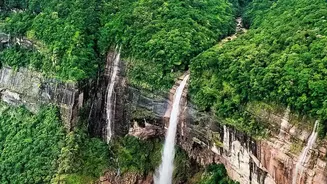
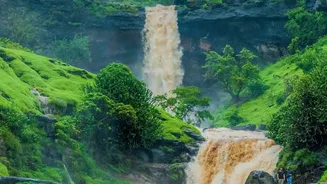
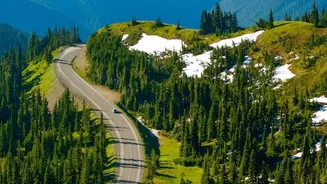
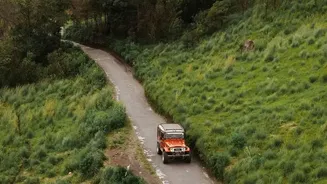
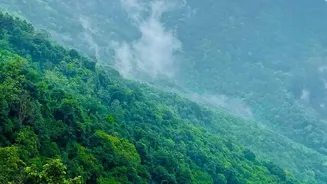
Autumn is when India's natural beauty is at its most vibrant. The monsoon leaves behind a legacy of lush, green landscapes, replenished waterfalls, and full rivers. The Western Ghats in states like Karnataka and Kerala are particularly breathtaking, with misty hills, dense forests, and sprawling coffee and tea plantations looking their best. In the Himalayan foothills of Himachal Pradesh and Uttarakhand, the air is crisp, and the freshly washed forests of pine and deodar create a stunning visual. It’s a photographer’s dream, where the scenery is dramatic and the light is often soft and beautiful.
A Season of Vibrant Festivities
Autumn in India is synonymous with some of its most spectacular festivals. The season kicks off with Navratri and Durga Puja, which transforms cities like Kolkata into a massive open-air art gallery and cultural hub. This is closely followed by Diwali, the festival of lights, which illuminates the entire country with lamps, fireworks, and celebration. Beyond these major festivals, numerous regional events take place, offering a deep dive into India's diverse cultural fabric. Experiencing these celebrations provides a unique and unforgettable dimension to any trip.
Where to Go: An Autumn Destination Guide
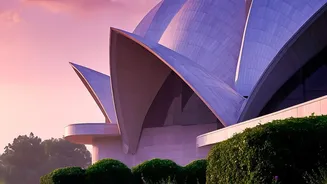
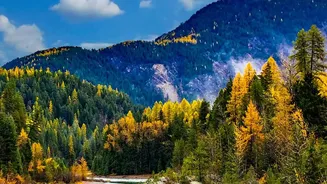
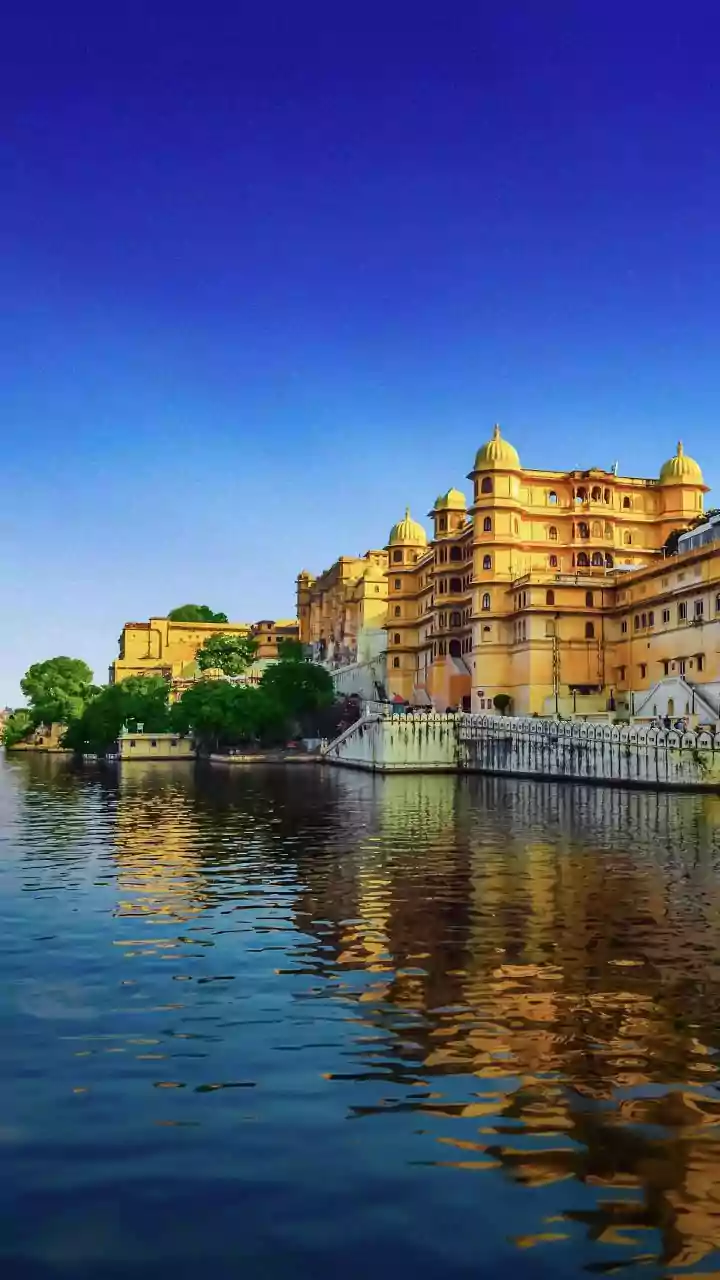
The beauty of autumn is that it opens up most of the country. In North India, it's the perfect time to visit Rishikesh for its spiritual vibe and clear river, or explore the golden-hued palaces of Rajasthan. In the Himalayas, destinations like Kashmir and Himachal Pradesh offer stunning vistas of autumn foliage. Down south, Kerala's backwaters are tranquil, and the hills of Coorg and Munnar are lush and inviting. For a cultural immersion, head east to West Bengal for Durga Puja. Even Goa, known for its winter parties, is pleasant and less crowded in October and November as the season reopens.