




The Challenge of Creating Creamy Vegan Gelato
To understand the rise of cashew and coconut, one must first appreciate the science of traditional gelato. The magic of Italian-style ice cream lies in its dense, silky texture, which comes from a precise balance of milk fat, proteins, and sugar. Milk
fat is the star player; it creates a rich mouthfeel and, when churned, forms a stable network that traps air bubbles, resulting in a smooth, less icy product. Replicating this delicate structure without dairy has long been the primary challenge for vegan dessert makers. Early attempts often relied on bases that were too icy, too watery, or had overpowering alternative flavours, failing to deliver the luxurious experience of true gelato.
Cashews: The Secret to a Neutral, Silky Base
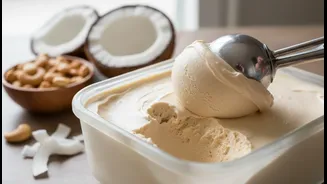
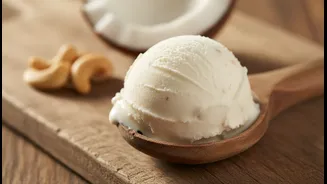
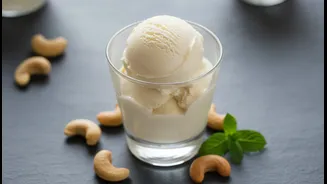
Enter the humble cashew. When soaked and blended, raw cashews transform into an incredibly smooth, thick cream that has become a game-changer for vegan chefs. Their power lies in a unique combination of high fat and starch content. This dual-action composition allows cashews to create an emulsion that is remarkably similar to dairy cream. Unlike other nuts, such as almonds, cashews blend into a smoother, less gritty consistency, largely because they are softer and require less straining. Crucially, cashews have a mild, slightly sweet flavour that doesn't overpower other ingredients. This makes cashew cream a perfect neutral canvas, allowing the intended flavours—be it chocolate, vanilla, or pistachio—to shine through, a key requirement for any premium gelato.
Coconut: Delivering Unmatched Richness and Fat
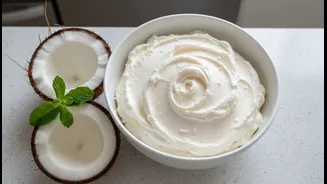
While cashews provide the silky, neutral foundation, full-fat coconut milk or cream delivers the decadent richness that we associate with premium frozen desserts. The secret is its high percentage of saturated fat. This type of fat mimics dairy fat's behaviour at cold temperatures; it solidifies to create a firm, scoopable texture and contributes to a satisfying, creamy mouthfeel. Using full-fat canned coconut milk is essential, as the lower-fat beverage versions simply don't have enough fat to prevent an icy texture. While coconut can have a distinct flavour, artisanal producers have learned to balance it. In many recipes, especially those with strong flavours like chocolate or coffee, the coconut taste becomes a subtle, complementary background note rather than the main event.
A Powerful Plant-Based Partnership
The true genius of modern vegan gelato often lies not in choosing one base, but in blending the two. By combining cashew cream and coconut milk, artisans can create a base that has the best of both worlds. The cashews provide a smooth, stable, and neutral body, while the coconut milk adds the necessary fat content for a rich, traditional gelato texture. This combination mitigates the potential downsides of using either one alone. The neutrality of the cashews can temper the coconut flavour, while the fat from the coconut prevents the gelato from freezing rock-solid, a common issue with lower-fat vegan bases. This allows for a final product that is both incredibly creamy and versatile enough to serve as a base for a wide array of complex flavours.
Why Not Other Bases like Almond or Soy?
Other plant-based milks have their place, but for premium gelato, they often fall short. Almond milk, for instance, has a much higher water content and lower fat, which tends to create a more crystalline, icy texture. Soy milk, while creamier than almond milk, can have a distinct 'beany' aftertaste that is difficult to mask in delicate flavours. Oat milk is a popular contender and provides good body, but may not offer the same level of richness as the cashew-coconut blend without the addition of oils or stabilisers. For artisanal producers focused on clean, whole-food ingredients, the naturally high-fat and creamy properties of cashews and coconuts make them the superior choice for creating a product that stands shoulder-to-shoulder with its dairy-based counterpart.