



Understanding the Orionids
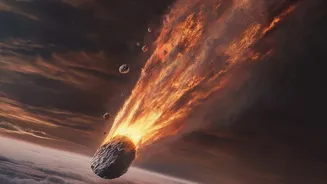
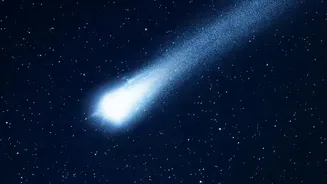
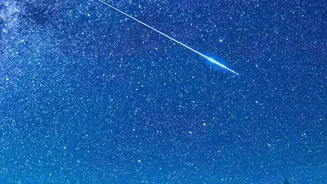
The Orionid meteor shower is one of two annual displays created by the debris of the famous Halley’s Comet. As our planet orbits the sun, it crosses this stream of cosmic dust every October. Tiny particles, many no larger than a grain of sand, slam into
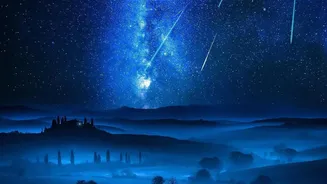
our atmosphere at tremendous speeds—around 66 kilometres per second—and burn up, creating the brilliant streaks of light we call meteors or 'shooting stars'. They are named the Orionids because the meteors appear to radiate from a point within the constellation of Orion the Hunter. The shower is active from early October to early November, but its activity is most concentrated during its peak.
The 2026 Challenge: A Bright Moon
The peak of the 2026 Orionid meteor shower is predicted for the night of October 21-22. Under perfect conditions, stargazers could expect to see between 15 and 25 meteors per hour. However, this year presents a significant challenge. The peak night coincides with a bright waxing gibbous moon, which will be about 80% illuminated. A bright moon acts like natural light pollution, washing out the sky and making it impossible to see all but the very brightest meteors. It can dramatically reduce the number of visible shooting stars, turning a promising shower into a disappointing celestial no-show. But don't cancel your plans just yet.
Your Secret Weapon: The Pre-Dawn Window
Here is the key to salvaging your viewing experience in 2026: timing. While the moon will dominate the sky for most of the night, it isn’t an all-night affair. On the peak mornings of October 21 and 22, the moon is expected to set at approximately 3 a.m. local time. This event creates a precious, dark window of opportunity that lasts from the moment the moon dips below the horizon until dawn begins to break around 5:30 a.m. This two-to-three-hour period will offer the darkest sky and, therefore, the best chance to see the Orionids. Instead of a late night, plan for an early morning.
Find Your Dark Sky Sanctuary
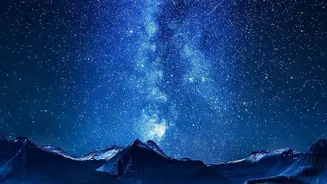
Even with the moon gone, your viewing location is critical. City and suburban lights will severely hamper your ability to see meteors. To maximize your chances, you must get as far away from light pollution as possible. Find a spot with a clear, unobstructed view of the sky, preferably away from the glow of any nearby towns. National parks, rural fields, or even a dark stretch of road can make a huge difference. Use online light pollution maps to find a designated dark-sky spot near you. The darker your surroundings, the more meteors you will see—it’s that simple.
Prepare for a Night of Patience
Meteor watching is a game of patience, not a fast-paced action movie. Once you’ve reached your dark location, give your eyes at least 20 to 30 minutes to fully adapt to the darkness. During this time, avoid looking at your phone or any other bright light, as it will ruin your night vision. Dress in warm layers, as even on clear nights, the pre-dawn hours can get surprisingly cold. Bring a reclining chair or a thick blanket so you can lie back comfortably and look straight up. Meteors can appear anywhere in the sky, so a wide field of vision is your best bet. Binoculars and telescopes are not necessary; your naked eyes are the best tool for the job.
Focus on the Fireballs
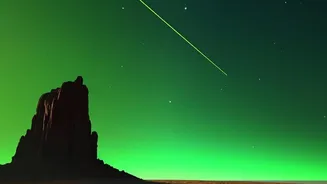
The Orionids are known for being fast and are capable of producing exceptionally bright meteors, known as fireballs, that can leave glowing trails or 'trains' in their wake. These are the meteors that are most likely to punch through the residual moonlight or light pollution. Even if you can't see the fainter streaks, the potential to witness one of these dramatic fireballs makes the effort worthwhile. Instead of just counting meteors, pay attention to the characteristics of the ones you do see—their speed, their colour, and whether they leave a persistent train behind.