



The Search for Value Over a Low Price
While budget-consciousness remains a key factor, the modern Indian traveller's planning process has evolved beyond simply hunting for the cheapest flight or hotel. The focus has shifted towards securing the best possible 'value'. This means travellers
are investing time to ensure their money buys a richer, more fulfilling experience. They are poring over reviews, comparing amenities, and looking for unique stays that offer more than just a place to sleep. A recent study shows that even with rising costs, 86% of Indians see travel as a necessity, not a luxury, and they are adjusting plans to fit budgets without sacrificing the quality of the experience. This quest for value means longer planning cycles, as people weigh options to get the most out of every rupee spent.
The Rise of Experiential Travel
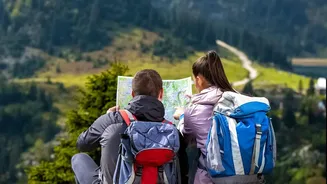
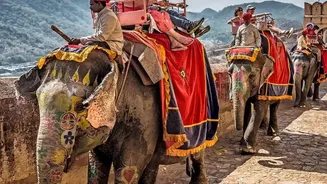
Gone are the days of passive sightseeing. Today's traveller, particularly the younger generation, craves immersion. Experiential travel—which focuses on connecting with local culture, food, and traditions—is becoming a dominant force in India. Reports suggest that the experiential travel market in India is projected to grow significantly, driven by travellers who want to do more than just see the sights. This requires in-depth research to find authentic cooking classes, community-led tours, or off-the-beaten-path festivals. Nearly 93% of young Indian travellers now prefer planning their own independent trips over pre-packaged tours, fuelling the need for more detailed and personalised itineraries. This hands-on approach naturally extends the time spent in the planning phase.
Overcoming the Paradox of Choice
The digital age has brought a flood of information. With countless booking websites, travel blogs, vlogs, and influencer recommendations, travellers are faced with a paradox of choice. While options are plentiful, the sheer volume can be overwhelming and stressful. Research indicates that over 80% of Indian travellers find the booking process stressful due to changing prices and too many options. To cut through the noise and make confident decisions, travellers are forced to spend more time cross-referencing information, reading multiple reviews, and validating recommendations. This extended research is a defence mechanism against post-booking regret and ensures the final choice is a well-informed one.
A Post-Pandemic Mindset
The global shutdown and the uncertainties of the pandemic era have left a lasting mark on travel habits. Travellers are now more cautious and diligent. There's a heightened awareness of health and safety protocols, and a greater emphasis on understanding cancellation policies and having contingency plans. This new layer of risk assessment adds another step to the planning process. Furthermore, the pandemic helped popularise flexible work arrangements, giving rise to 'bleisure' travel (blending business and leisure) and workations. These trips require more complex planning, involving checks for reliable Wi-Fi, suitable workspaces, and a balanced itinerary of work and play, all of which demand more time upfront.
The Social Media Influence
Social media has transformed travel from a private experience into a shared one. Platforms like Instagram have created a desire for picture-perfect, unique destinations that go beyond the usual tourist traps. Travellers are spending hours scrolling through feeds, seeking inspiration and looking for those 'hidden gems' that will make their trip stand out. This desire to curate a journey that is both personally fulfilling and visually appealing requires significant planning. It involves researching specific photo spots, finding boutique hotels with aesthetic appeal, and creating an itinerary that is as much about the narrative as it is about the destination itself.