








The Enduring Wisdom of Kadha
That trusted monsoon drink is known by a simple, familiar name: kadha. For anyone who grew up in an Indian household, the word likely conjures memories of a parent or grandparent bustling in the kitchen at the first sign of a cough or a sneeze. This Ayurvedic
decoction is a cornerstone of home remedies, a warm, spicy-sweet concoction designed to bolster the body’s defences when the damp weather makes us most vulnerable. More than just a ‘tea’, kadha is a slow-brewed infusion of powerful herbs and spices. Its purpose has always been twofold: to provide immediate comfort and relief from symptoms like a sore throat or congestion, and to work as a prophylactic, gently strengthening the immune system to ward off seasonal illnesses. During the monsoon, when humidity levels spike and viral infections become more common, this liquid gold becomes an essential part of the daily routine in many families. It’s a tradition steeped not in superstition, but in centuries of observational wisdom about the properties of plants.
Decoding The Powerhouse Ingredients
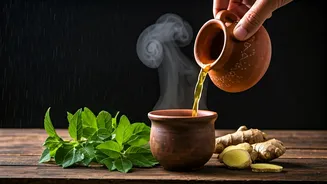
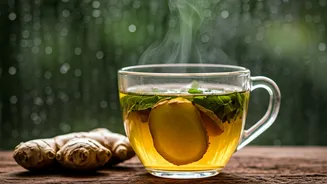
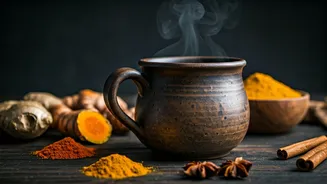
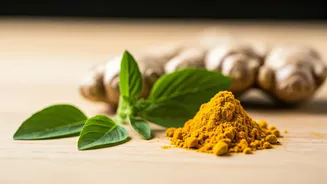
The magic of kadha lies in its synergistic blend of everyday kitchen ingredients, each bringing its own unique therapeutic properties to the cup. While recipes vary from family to family, a few key players are almost always present. * Tulsi (Holy Basil): Revered as the “Queen of Herbs,” tulsi is an adaptogen that helps the body cope with stress. It’s packed with antimicrobial and antiviral properties, making it a first line of defence against respiratory ailments. * Adrak (Ginger): The sharp, pungent rhizome is a well-known anti-inflammatory. It helps soothe a raw, painful throat, eases congestion, and can even help with the body aches that often accompany a cold or flu. * Haldi (Turmeric): This golden spice contains curcumin, a compound celebrated for its powerful antioxidant and anti-inflammatory effects. It’s a gentle immunity booster that helps the body fight off pathogens. * Kali Mirch (Black Pepper): Never underestimate this humble spice. Black pepper contains piperine, a compound that dramatically increases the bioavailability of turmeric’s curcumin. Essentially, it helps your body absorb all the goodness of the haldi. * Laung (Cloves) & Dalchini (Cinnamon): These warm spices do more than just add flavour. Both are rich in antioxidants and have antiseptic qualities, helping to clear phlegm and provide a comforting warmth from within.
How to Brew Your Own Cup of Comfort
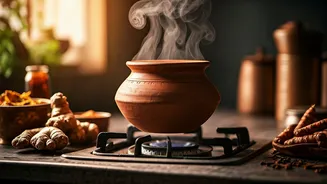
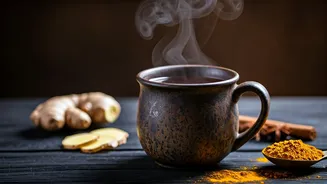
Making kadha is a simple ritual that takes just a few minutes. There are no strict measurements; feel free to adjust based on your preference for spice and strength. Here is a basic, trusted recipe to get you started: 1. Gather your ingredients: You’ll need a 1-inch piece of fresh ginger, 4-5 tulsi leaves, 3-4 black peppercorns, and 2 cloves. 2. Prep the spices: Lightly crush the ginger, peppercorns, and cloves using a mortar and pestle or the back of a spoon. This helps release their essential oils. 3. Simmer slowly: In a small saucepan, bring two cups of water to a boil. Add the crushed ginger, tulsi leaves, peppercorns, and cloves. Reduce the heat and let it simmer for 10-15 minutes. The water should reduce to about half its original volume, becoming concentrated and fragrant. 4. Add the finishing touches: Turn off the heat. You can add a pinch of turmeric powder at this stage if you like. Strain the liquid into a mug. 5. Sweeten and serve: Wait for the kadha to cool slightly before stirring in a teaspoon of honey and a squeeze of fresh lemon juice. Boiling honey or lemon can diminish their nutritional benefits. Sip slowly while it’s warm.
Making It Your Own
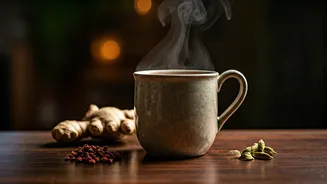
The beauty of kadha is its adaptability. Think of the traditional recipe as a canvas. For a particularly scratchy throat, add a small piece of mulethi (liquorice root) while simmering; it’s a natural demulcent that coats and soothes. If you’re feeling congested, a pinch of ajwain (carom seeds) can help clear your airways. Some families add a stick of cinnamon for extra warmth and sweetness, or a few cardamom pods for their pleasant aroma and digestive benefits. Don’t be afraid to experiment and find the blend that works best for you and your family. It's a tradition that’s meant to be lived, not just followed rigidly.