



More Than a Colonial Relic
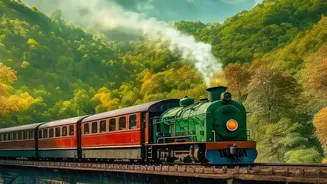
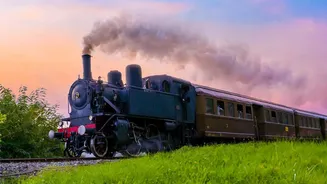
Inaugurated in 1903 to connect the summer capital of British India with the plains, the Kalka-Shimla Railway is an engineering marvel. With its 96.6-kilometre narrow-gauge track, over 800 bridges, and 102 tunnels, it’s easy to see why UNESCO designated
it a World Heritage Site. But to frame it merely as a beautifully preserved relic is to miss the point entirely. While tourists flock for the nostalgic charm and breathtaking views, the railway is a vital artery for the communities dotted along its path. It’s a moving, breathing part of Himachal life, far from a static museum piece. The story of Colonel Barog and his misaligned tunnel adds a layer of human drama to the engineering feat, but the daily dramas of today are what keep the line truly alive.
The Daily Rhythm of the Hills
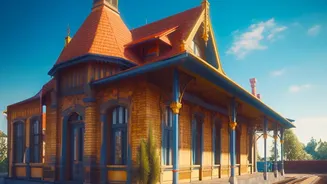
For many, the toy train is not a novelty but a necessity. At each of the 18 stations between Kalka and Shimla, a microcosm of local life unfolds. Vendors hop on to sell steaming chai and local snacks, their livelihoods intrinsically linked to the train’s timetable. Schoolchildren and daily wage workers rely on its affordable and dependable service, like the 'Mix Up-Down' train, which connects the smallest, most remote villages. This train isn't just transporting people; it's carrying aspirations, goods, and the daily gossip that stitches communities together. The slow, unhurried pace of the five-hour journey, often seen as a drawback by tourists in a hurry, is precisely what makes it a social institution. It fosters conversations between strangers and maintains connections in a region where road travel can be unpredictable.
An Engine of Connection, Not Just Transport
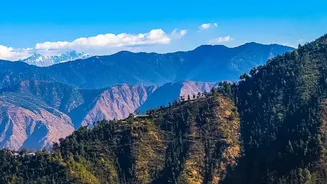
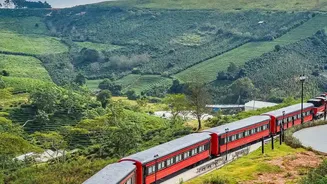
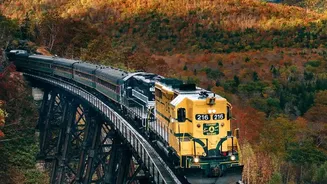
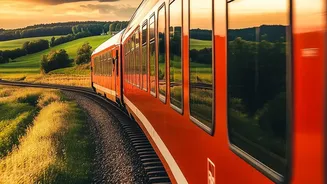
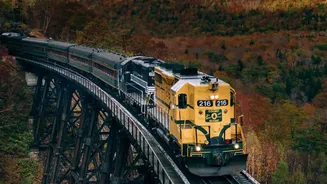
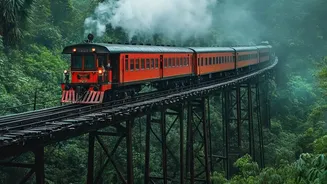
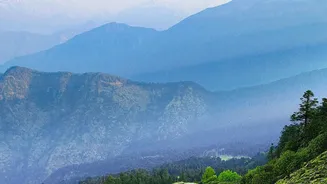
The experience of travelling on the Kalka-Shimla line is fundamentally different from modern transport. It forces a slowdown. As the train meanders through dense pine forests and over dramatic viaducts, passengers are not just passive observers of the landscape; they become part of it. The large windows of the coaches, especially the Vistadome cars, frame the Shivalik hills not as a fleeting image, but as a slow-unfolding panorama. This journey encourages you to look up from your phone and engage with your surroundings and fellow travellers. It's in these unscripted moments—sharing a snack with a family, listening to a local’s story, or simply watching the monkeys play at a quiet station—that the railway’s role as a cultural conduit becomes clear.
The Challenges of a Living Legacy
To be a living entity means to be vulnerable, and the Kalka-Shimla line faces significant modern challenges. The increasing frequency of heavy monsoons has led to unprecedented damage from landslides, often suspending services and requiring extensive repairs. The constant threat of soil erosion is exacerbated by nearby development, such as the widening of the national highway that runs parallel to the track. There is also a continuous debate about modernisation. Proposals for electrification, for instance, pit the need for environmental efficiency and speed against the risk of compromising the line's historical integrity and unique character. Preserving this railway is not just about maintaining tracks and tunnels; it's a delicate balancing act between protecting its heritage and ensuring its survival against natural and man-made pressures.