


A Return to Slower, Healthier Cooking
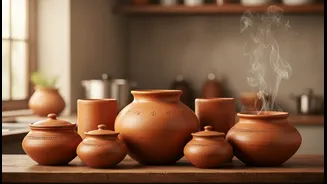
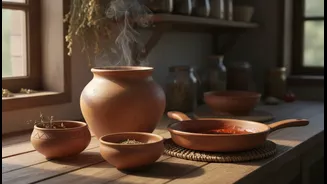
In an era of instant noodles and quick-cook pressure cookers, the return of the humble earthen pot feels like a quiet rebellion. This resurgence is driven by a growing desire for a more mindful and healthier lifestyle. Unlike metal cookware, which can
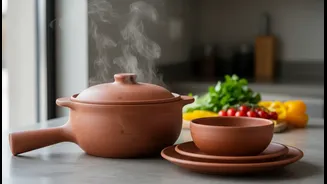
heat up quickly and sometimes unevenly, clay cooks food slowly and gently. This process allows for the steady circulation of heat and moisture, helping to preserve the delicate nutrients in your food that can be destroyed by high temperatures. Advocates for clay pot cooking, including Ayurvedic experts, suggest that this ancient method not only makes food more nutritious but also more flavourful. The porous nature of clay allows dishes to cook in their own juices, which often means less oil is needed, making meals lighter and healthier.
Not Just for Nostalgia Anymore
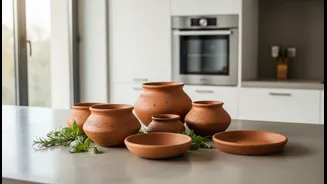
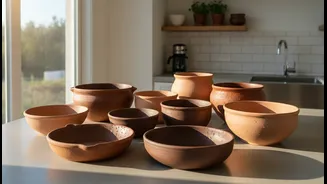
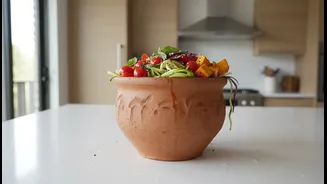
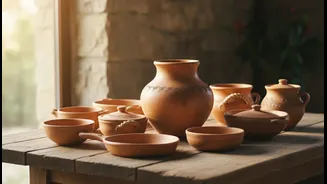
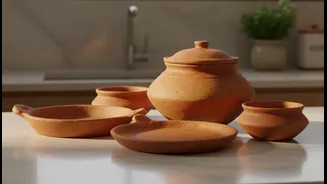
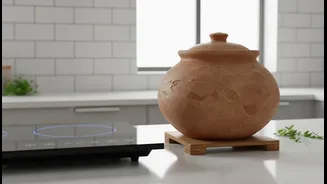
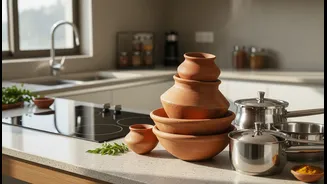
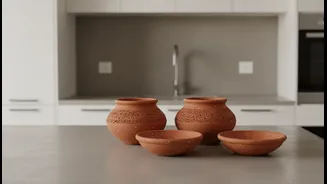
While nostalgia plays a part, the modern appeal of earthen pots goes far beyond tradition. Artisans and a new generation of startups are reimagining this cookware for contemporary kitchens. They are creating pieces that are not only functional but also aesthetically pleasing, fitting seamlessly into modern home decor. You can now find terracotta 'kadhais', pans, and even idli makers. The designs have evolved from purely rustic to include sleek, modern shapes and finishes. Some modern clay pots are even being designed with features to make them compatible with today's appliances. For instance, while a traditional clay pot cannot be used on an induction stove, some newer versions are being made with a magnetic metal base to make them induction-friendly. Others are crafted to be safe for use in microwave ovens, blending ancient materials with modern convenience.
The Science of Superior Flavour
Anyone who has eaten dal or biryani cooked in an earthen pot will attest to a unique, earthy flavour that metal utensils cannot replicate. This isn't just imagination; there's a science to it. Clay is naturally alkaline, which means it helps to neutralise the acidity in foods like tomatoes and tamarind. This balancing act can make food easier to digest and enhances its natural taste. The slow and even distribution of heat allows spices to bloom gradually and ingredients to meld together more harmoniously. The result is a dish with deeper, more complex flavours. The porous walls of the pot also help in retaining moisture, creating a self-basting effect that keeps meats tender and vegetables juicy.
Making a Conscious, Sustainable Choice
The shift towards earthen pots is also an environmentally conscious one. In a world grappling with waste, clay cookware offers a sustainable alternative. Sourced from the earth, these pots are biodegradable and leave a minimal environmental footprint when disposed of, unlike metal or synthetic non-stick pans. This eco-friendly aspect appeals to consumers who are increasingly looking to make responsible choices in their daily lives. Furthermore, this trend supports local artisans and craft communities who have preserved the skill of pottery through generations. Companies are now working directly with these craftsmen to bring authentic, handcrafted cookware to a global market, ensuring the survival of a precious heritage.