



The Evolving Indian Traveller
For years, the formula for a European vacation was simple: wait for the summer school holidays, pack your bags, and head for the peak season crowds. But today's Indian traveller is different. They are more experienced, more discerning, and often seeking
value and authenticity over just ticking off landmarks. This shift in mindset is a key reason behind Germany's rising popularity as an all-season destination. The German National Tourist Office (GNTO) in India has noted a change in how Indians engage with the country; they are spending more time, exploring regions more deeply, and seeking experiences that connect them to the local culture. This evolution has opened their eyes to the unique charms of the 'shoulder seasons'—autumn and winter.
The Golden Allure of Autumn
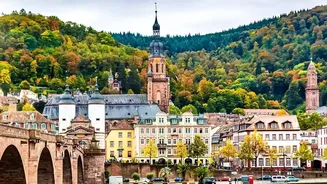
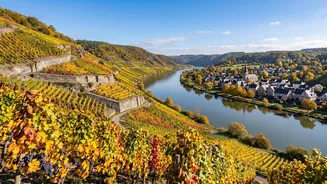
Often overlooked, autumn in Germany is what seasoned travellers might call an underrated gem. From September to November, the country transforms. The harsh summer heat gives way to crisp, pleasant weather, perfect for exploring cities and nature without the fatigue. The landscapes, particularly in areas like the Black Forest and the Rhine Valley, are painted in stunning hues of gold, orange, and red, offering breathtaking views. This season also hosts world-famous events like Munich's Oktoberfest, a major draw for its vibrant atmosphere. For many Indians, the timing aligns perfectly with the post-Diwali travel window, making it a convenient and beautiful time to visit.
Winter's Fairytale Transformation
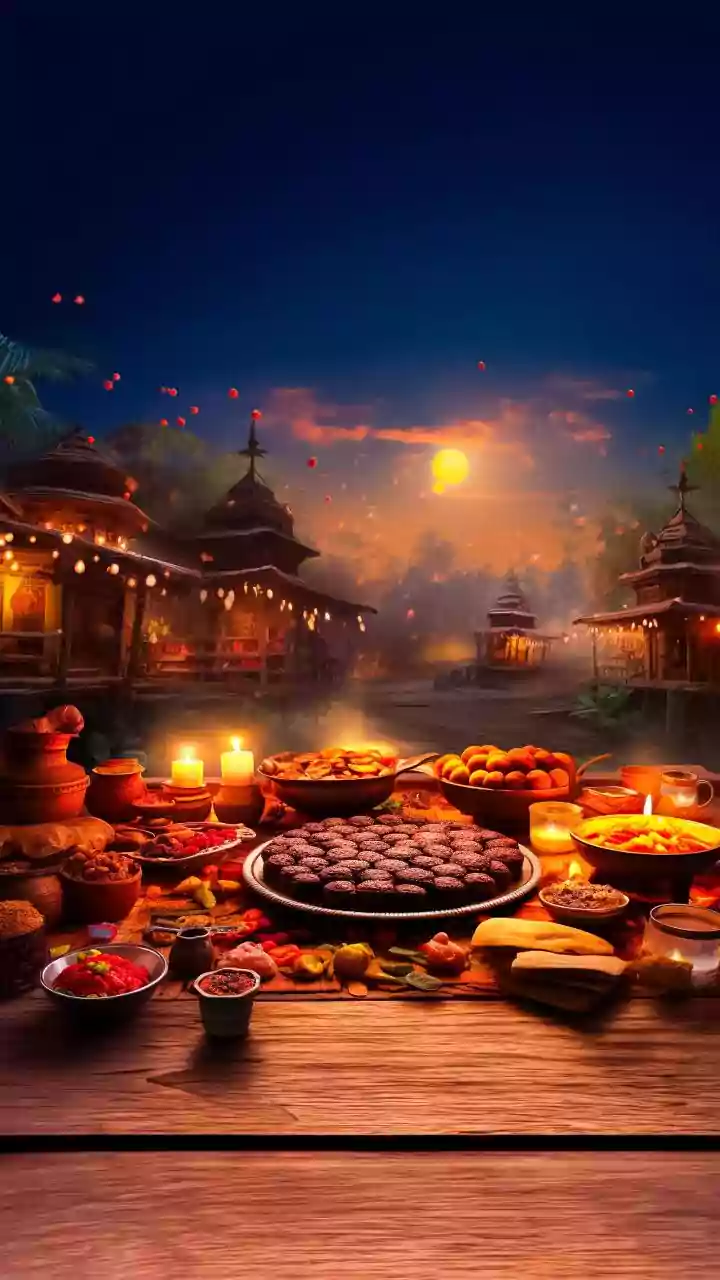
While a European winter might sound daunting, Germany turns the cold into its biggest asset. From mid-November, town squares across the country morph into magical Christmas markets. These markets, like the legendary Christkindlesmarkt in Nuremberg, are an assault on the senses in the best way possible: the scent of mulled wine (Glühwein) and roasted nuts fills the air, and charming wooden stalls sell handcrafted gifts. For many travellers from India, it’s a chance to experience a true winter wonderland, complete with potential dustings of snow that turn historic castles like Neuschwanstein into something straight out of a fairytale. Beyond the markets, winter is also ideal for visiting museums and cultural sites without the long queues of summer.
A Smarter Choice for Your Wallet
Perhaps the most compelling argument for off-season travel is the financial benefit. Travelling to Germany outside the peak summer months of June to August can lead to significant savings. Flights and accommodation, which typically surge during the high season, are often much more affordable. For example, a round-trip flight during the off-peak months of January to March can be considerably cheaper than a summer ticket. This financial relief allows travellers to either save money or extend their stay, enabling a more immersive experience. The average length of stay for Indian tourists has already been increasing, signalling a desire for deeper exploration over quick trips.
The Quest for Authentic Experiences
Fighting through crowds to get a glimpse of a famous landmark is a common complaint of peak-season travel. Visiting Germany in autumn or winter allows for a more relaxed and authentic experience. With fewer tourists around, cities feel more genuine and less like theme parks. It’s easier to interact with locals, find a seat at a cozy café, and explore attractions at a leisurely pace. This shift aligns with the GNTO's strategic focus on promoting culture, cuisine, and nature—experiences that are often richer and more accessible when the summer crowds have dispersed. It’s about feeling the true pulse of a city, not just seeing its sights.