








From Textbooks to Trenches
Not long ago, the path to becoming an archaeologist in India seemed reserved for a select few, a journey charted through dense academic texts and university lecture halls. Today, that path is being democratised, one social media post at a time. The world
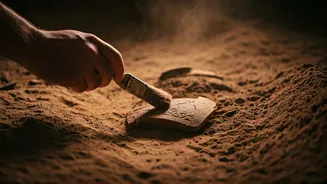
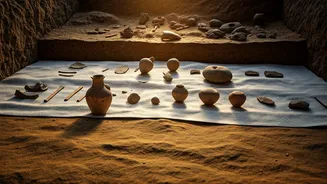
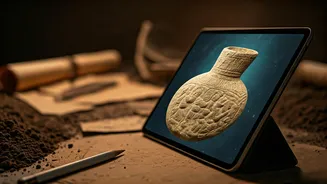
of archaeology is undergoing a digital transformation, trading its dusty image for a dynamic, interactive one. Institutions and excavation teams are now using platforms like Instagram and Twitter to provide real-time updates from the field. This shift means that the thrill of discovery—witnessing a new artefact emerge from the soil or a hidden inscription being deciphered—is shared instantly with a global audience. For students scrolling through their feeds, this isn't just passive entertainment; it's a direct invitation into a world they may have only read about. This increased visibility has made the field more exciting and, more importantly, more accessible than ever.
The Official Route: Interning with the ASI
For those seeking a formal entry point, the Archaeological Survey of India (ASI) remains the country's premier organisation for archaeological research and heritage protection. The ASI runs a prestigious internship program designed to give students and recent graduates practical experience in everything from fieldwork and excavation to museum management and heritage conservation. While these internships are highly sought after, they offer unparalleled exposure to the inner workings of India's heritage management. In addition to general internships, the ASI occasionally recruits for specific roles like 'Young Archaeologists' to work on national missions. To be a strong candidate, you typically need a relevant Master's degree in fields like Ancient History or Archaeology, technical skills in software like GIS or AutoCAD, and a clear passion for cultural heritage. Following the ASI's official website and social media channels is the best way to stay informed about upcoming openings.
University Hubs and Field Schools
Beyond the ASI, India’s universities and research institutes have become vibrant hubs for hands-on archaeological training. Institutions like Deccan College in Pune and Banaras Hindu University are renowned for their strong archaeology departments that integrate rigorous fieldwork into their curriculum. Many universities also run specialised workshops and field schools that are open to a wider range of students. The Indian National Confederation and Academy of Anthropologists (INHCRF), for instance, conducts a seven-day practical workshop on Prehistoric archaeology, offering training in stone tool analysis and excavation methods at a model trench. Similarly, the INSTUCEN School of Archaeology has empowered thousands of students through its online and offline programs, including leading excavations at significant sites in Maharashtra. These programs are invaluable for gaining practical skills and making connections in the field, often serving as a launchpad for a career in archaeology.
Volunteering for Heritage
For students who may not be pursuing a full-time archaeology degree but still want to contribute, volunteer programs offer a fantastic gateway. Several organisations partner with local authorities and even the ASI to run conservation and awareness projects at major heritage sites like Hampi and Jaipur. These programs often focus on cleaning and preserving monuments, creating awareness among local communities, and assisting with non-invasive documentation work. While some may require a fee to cover accommodation and logistics, they provide a unique opportunity to live and work at a historic site, contributing directly to its preservation. These experiences not only look great on a CV but also offer a profound, hands-on connection to India's past, proving that you don't need to be an expert to play a role in protecting it.
How to Get Your Boots Dirty
So, how do you go from intrigued student to active participant? First, curate your digital feed. Follow the social media accounts of the ASI, major universities with archaeology departments, and organisations like INSTUCEN. This will ensure you see announcements as they happen. Second, align your academics with your passion. While some volunteer roles are open to all, formal internships usually require a background in history, archaeology, anthropology, or a related discipline. Finally, prepare your application materials. Most opportunities will require a CV, a strong Statement of Purpose explaining your interest, and sometimes a letter of recommendation. The key is to show not just what you know, but your genuine enthusiasm and willingness to learn, whether in a lab, a museum, or out in the field.