

What Exactly Is Shokupan?
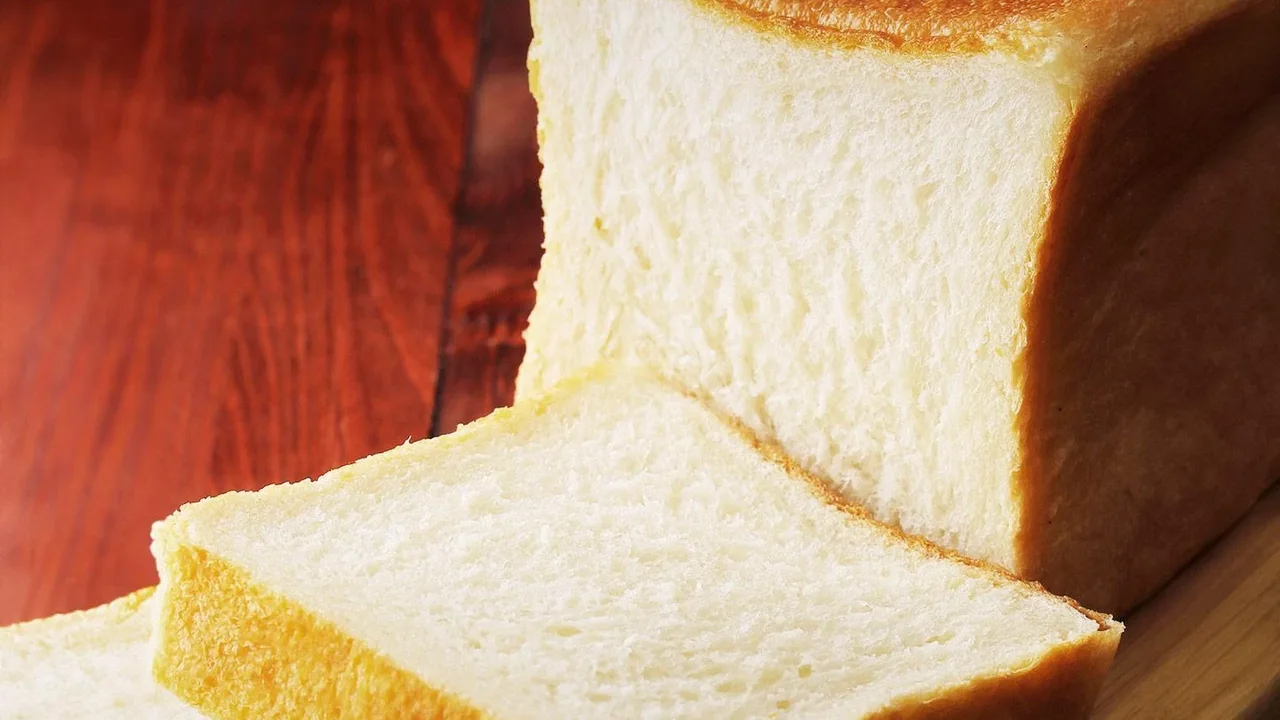
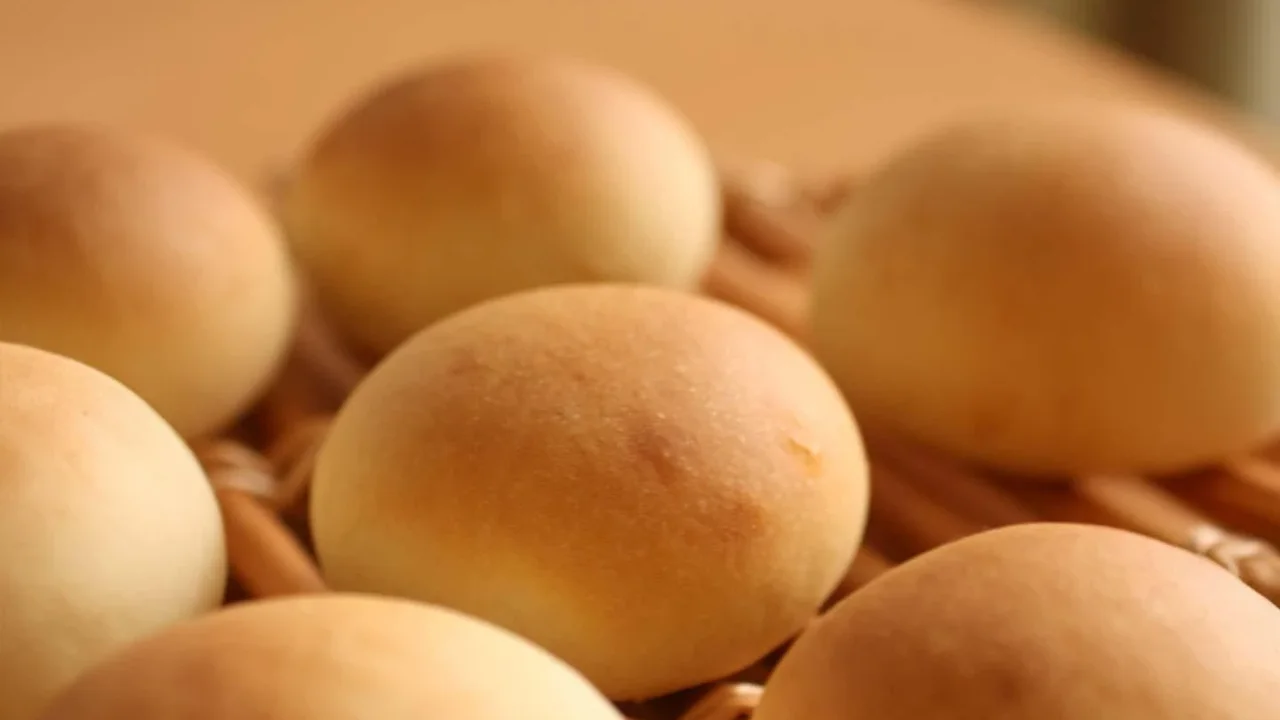
Shokupan, which translates to “eating bread,” is a style of Japanese white bread renowned for its extraordinary softness and pillowy texture. Unlike the crusty sourdoughs or dense whole-wheat loaves you might be used to, Shokupan has a tender, barely-there
crust and a bright white, springy interior. Often baked in a special lidded pan called a Pullman loaf pan, it has a perfectly square shape, making it ideal for sandwiches. Its flavour is subtly sweet and milky, a result of an enriched dough that often contains milk, butter, sugar, and sometimes even cream or honey. In Japan, it's an everyday staple, found everywhere from high-end specialty bakeries to local convenience stores, serving as the foundation for breakfast toast and iconic sandwiches.
The Secret To Its Cloud-Like Texture
The magic behind Shokupan’s incredible softness lies in a special baking technique known as the yudane or tangzhong method. This process involves cooking a small portion of the flour with a liquid (like water or milk) to create a thick paste, or roux, before it's added to the rest of the dough. This pre-gelatinised starch traps an impressive amount of moisture. The result is a bread that is not only unbelievably soft and fluffy but also stays fresh for longer without the need for preservatives. This unique texture is often described as bouncy or mochi-like, setting it apart from any other white bread.
A Staple with a Storied Past
While bread has been known in Japan for centuries, introduced by Portuguese traders in the 1500s, it only became a widespread food item after World War II. During the post-war occupation, American food aid included wheat and powdered milk, which were used to create bread for school lunches to combat rice shortages. Japanese bakers took these Western-style loaves and refined them to suit local tastes, giving birth to the soft, slightly sweet Shokupan we know today. What started as a necessity evolved into a beloved comfort food and an artisanal product, with specialty shops across Japan now dedicated to perfecting this humble loaf.
Why It's Trending in India
The global appreciation for Japanese cuisine has moved far beyond sushi and ramen, and Shokupan is leading the next wave. Its visual appeal—perfectly square, thick slices with a cotton-soft interior—makes it highly popular on social media. But the trend runs deeper. Across Indian cities like Delhi and Bangalore, artisanal bakeries and sandwich shops are introducing Shokupan to a new audience. Establishments are banking on India's love for Japanese flavours, aiming to make sandos (Japanese-style sandwiches) as popular as burgers. As the Indian palate becomes more adventurous, the unique texture and comforting flavour of Shokupan offer a new and exciting carb experience.
How to Best Enjoy Shokupan
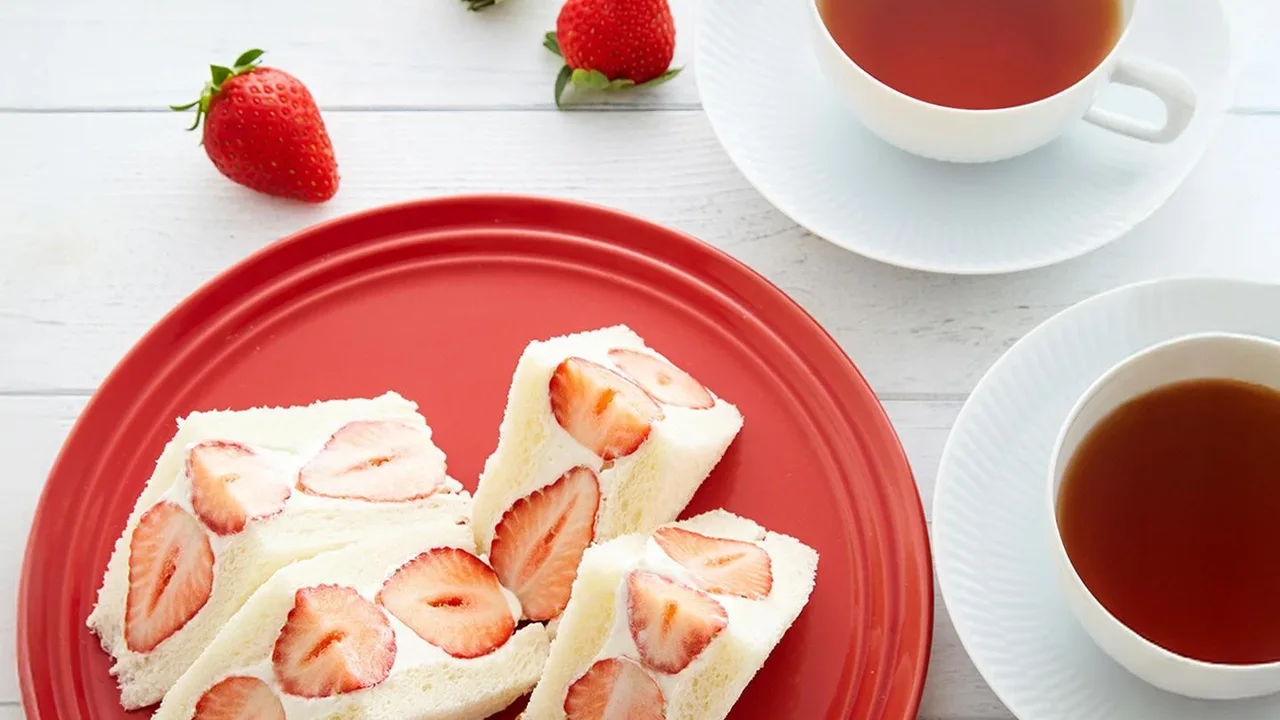
The beauty of Shokupan lies in its versatility. In Japan, it’s common to buy loaves sliced to a specific thickness, each intended for a different use. The best way to experience its unique texture for the first time is to eat a piece plain, or toasted from a thick slice with a generous spread of butter that melts into the airy crumb. Its subtle sweetness makes it a perfect canvas for both savoury and sweet toppings, from jam and honey to eggs and avocado. It’s also the ideal bread for creating incredible French toast or picture-perfect sandwiches, like the famous Japanese fruit sando or a crispy katsu sando.