








The Modern Evening Trap
In many Indian households, the evening is anything but quiet. It’s a second shift. There are chores to finish, dinner to cook and eat (often late), children’s homework to supervise, and social obligations to meet. On top of this, we layer the digital
chaos of work emails, endless WhatsApp chats, and just one more episode of that trending show. Our brains interpret this constant activity and blue light from screens as a signal to stay awake and alert. We are essentially telling our bodies that it’s still midday, even when the clock says it's 11 PM. This creates a state of ‘tired but wired’, making it nearly impossible to switch off and fall asleep at a reasonable hour.
The Science of a Wind-Down
The transition from wakefulness to sleep isn't like flipping a switch; it's more like dimming the lights. Your body relies on a biological process governed by hormones. As evening approaches, your brain is supposed to reduce the production of cortisol (the stress hormone) and increase melatonin (the sleep hormone). A hectic, brightly lit, and stimulating evening does the exact opposite. It keeps cortisol levels high and suppresses melatonin. Research from sleep experts consistently shows that creating a buffer zone between your busy day and your bedtime is crucial for signalling to your brain that it’s time to prepare for rest. This ‘wind-down’ period allows your nervous system to calm down, your body temperature to drop slightly, and your mind to disengage from the day's stressors, paving the way for quicker, deeper sleep.
Step 1: Declare a Digital Sunset
The single most powerful change you can make is to decide on a 'digital sunset'—a fixed time every evening when all screens go off. This means your phone, tablet, laptop, and television. Aim for at least 60-90 minutes before your desired bedtime. The blue light emitted by these devices is a potent melatonin-suppressor. By removing it, you allow your brain’s natural sleep cycle to take over. This will feel difficult at first. You will feel the urge to check notifications or scroll through Instagram. The key is to replace that habit with something else. Inform your family and friends about your new routine so they know not to expect an immediate reply late at night. This one boundary is the foundation of a slower evening.
Step 2: Build Your Analogue Hour
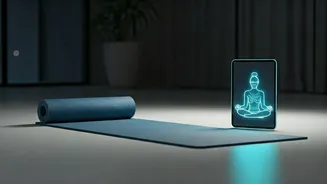
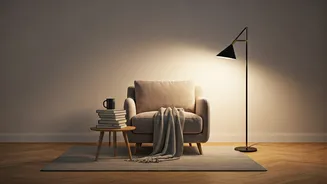
So, what do you do once the screens are off? This is your 'analogue hour'. It's not about being bored; it's about engaging your senses in a calming way. Consider these simple, screen-free activities: - **Read a physical book or magazine:** The act of reading on paper is far less stimulating than reading on a backlit screen. - **Listen to calming music or a podcast:** Choose content that is relaxing or narrative-driven, not something that makes you anxious or requires intense focus. - **Light stretching or yoga:** Gentle movements can release physical tension built up during the day. - **Journaling:** Write down your thoughts, worries, or a simple list of things you're grateful for. This helps clear your mind. - **Tidy up:** Performing a simple, mindful task like folding laundry or tidying the living room can be meditative and provides a sense of closure to the day.
Step 3: Rethink Evening Food and Drink
What you consume in the evening matters just as much as what you do. A large, heavy, or spicy meal close to bedtime can cause indigestion and disrupt sleep. Try to have your dinner at least two to three hours before you plan to sleep. This gives your body ample time to digest. Similarly, be mindful of caffeine. That post-dinner cup of coffee or strong chai might feel comforting, but caffeine is a stimulant that can stay in your system for hours. If you need a warm drink, opt for herbal infusions like chamomile or peppermint tea, or simply a glass of warm milk. Reducing alcohol intake is also wise, as while it might make you feel sleepy initially, it fragments sleep in the latter half of the night, leaving you tired the next day.