

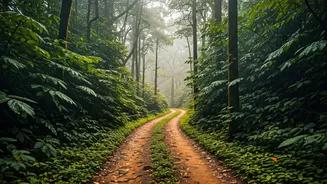
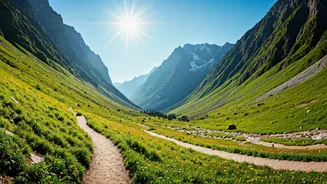
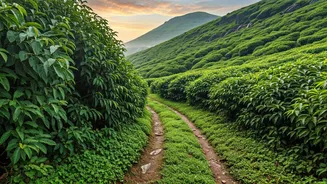


Understand the Journey: It's a Trek, Not a Stroll
The first step to a successful trip is respecting the journey. The Valley of Flowers trek is rated easy to moderate, but it's a mistake to underestimate it. The entire route involves significant walking at high altitudes. The trek starts from Govindghat,
with a roughly 13 km walk to the base camp at Ghangaria (around 9,800 ft). From Ghangaria, it's another 4 km to the valley entrance. You will be walking 7-12 km daily on uneven, stone-paved paths that can be slippery during the monsoon. Physical preparation is key. A month of regular walking, jogging, or stair climbing can make a huge difference, helping you build the stamina needed to enjoy the trek rather than just endure it. Remember, the thin air at high altitudes makes physical exertion more challenging. Proper acclimatisation, by spending a day at a lower altitude before ascending, is crucial.
Plan Your Timing Wisely
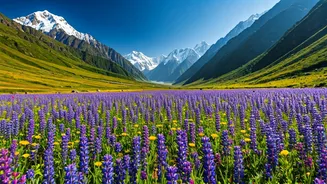
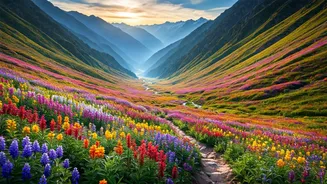
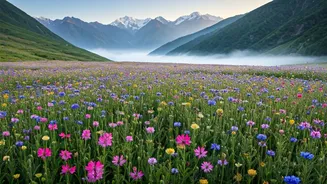
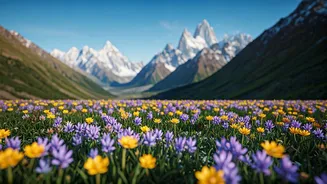
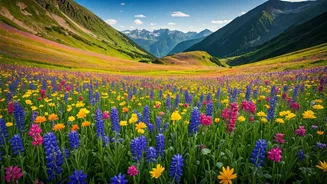
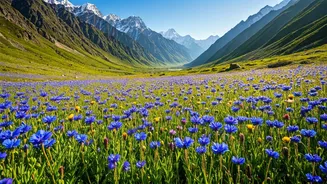
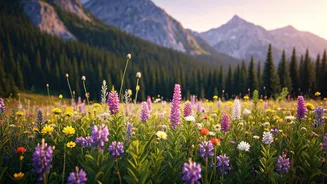
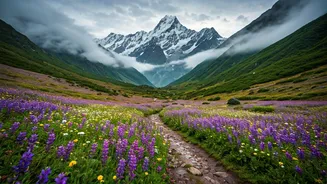
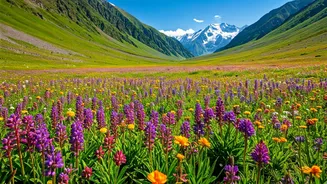
The park is open for the 2026 season from June 1 to October 31. While the peak bloom, with over 500 flower species, occurs from mid-July to mid-August, this is also the busiest and wettest period. Visiting in June means encountering fewer crowds and clearer skies, though with fewer flowers in bloom. Late August and September offer a different kind of beauty, with thinning crowds, more stable weather, and a landscape painted in autumnal hues. The experience changes weekly as different flowers bloom and recede. Instead of chasing the 'perfect' bloom seen in photos, consider what kind of experience you want: solitude, peak floral density, or clearer mountain views.
Pack for Rain, Cold, and Comfort
This is a monsoon trek, which means rain is not a possibility but a certainty. A high-quality poncho or a rain jacket with rain pants is non-negotiable. Your backpack must have a rain cover, and it's wise to pack electronics and clothes in dry bags or plastic covers for extra protection. Footwear should be trekking shoes with excellent grip—not sports shoes—that are well broken-in to avoid blisters. Do not pack jeans or heavy cotton, as they take forever to dry and become cold and uncomfortable when wet. Instead, opt for quick-dry t-shirts and trek pants, and layer your clothing with a fleece jacket and a light padded jacket for the cold mornings and evenings. A daypack is essential for carrying water, snacks, your rain gear, and a first-aid kit into the valley, as you'll leave your main rucksack at the Ghangaria base camp.
Look Beyond the Lens
The Valley of Flowers is a designated UNESCO World Heritage Site, a status given to protect its fragile and unique biodiversity. While capturing its beauty on camera is tempting, the real magic lies in being present. Take time to look up from your phone. Notice the sound of the Pushpawati River, the scent of the alpine air, and the sheer scale of the surrounding snow-capped peaks. The valley is home to hundreds of plant species, many with medicinal properties, and rare wildlife like the Asiatic black bear and blue sheep. Hiring a local guide can transform your walk into a lesson on Himalayan ecology. They can point out rare flowers like the Himalayan Blue Poppy or the sacred Brahmakamal, and share stories that no photo can capture.
Be a Responsible Visitor
The beauty of the valley depends on the conduct of its visitors. The rules are simple but strict: do not pluck flowers, do not stray from the marked trails, and do not leave any litter behind. Plucking flowers disrupts the delicate reproductive cycle of the plants, and going off-trail can damage fragile vegetation. Camping inside the park is strictly forbidden; all visitors must enter after 7:00 AM and exit by 5:00 PM. Carry a small bag to bring all your waste, including food wrappers, back to Ghangaria for proper disposal. Avoid using single-use plastics by carrying your own reusable water bottle. By following these guidelines, you help preserve this natural treasure for future generations and ensure your visit has a positive impact.