






Beyond the Standardised Room
Chain hotels, for all their reliable comforts, are built on a foundation of predictability. The room in Goa looks a lot like the one in Mussoorie, designed for seamless, anonymous stays. While efficient, this standardisation often creates a bubble, separating
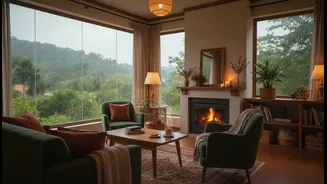
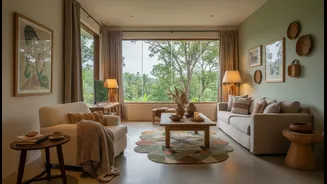
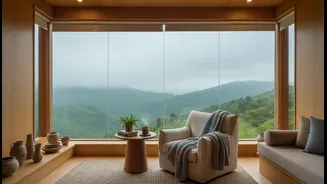
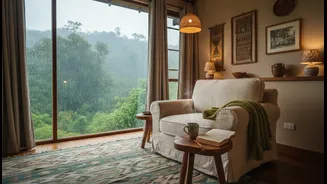
you from the very destination you've travelled to experience. Boutique homestays, by contrast, are expressions of their location. They are often someone's passion project, a restored heritage property, or a home built with local materials and aesthetics that tell a story. Imagine a room with a veranda overlooking a spice plantation in Coorg, or a window seat in a stone cottage in the Himalayas. This isn't just a place to sleep; it's an extension of the environment, allowing the sights, sounds, and smells of the monsoon to become part of your stay.
A Taste of Home, Literally
One of the quickest routes to the heart of a culture is through its food. In a large hotel, monsoon evenings might mean a vast buffet featuring a multi-cuisine spread designed to please every palate, but which can sometimes feel generic. A homestay offers something far more intimate and authentic: home-cooked food. Here, the menu is often decided by what’s fresh and seasonal in the local market. You might get to taste a family’s secret recipe for a fish curry, or enjoy pakoras made just the way the host’s grandmother used to make them. This is food with a story, served with personal care. It’s the difference between eating a meal and sharing one, turning your dining into a genuine cultural experience that chain hotels struggle to replicate.
Connection Over Anonymity
In a hotel, you are a guest, a room number. At a homestay, you are often welcomed as if you were a visiting friend. This personal connection is perhaps the most significant ingredient of an authentic holiday. Homestay hosts are locals with a wealth of knowledge, not just about the main tourist spots, but about the hidden waterfalls that only appear in the rain, the best local market for spices, or the story behind the old temple down the road. These are insights you won't find in a guidebook. This personal interaction transforms your trip from a passive viewing to an active, engaged experience. The conversations over a cup of chai can become as memorable as the sights themselves.
Embracing a Slower Pace
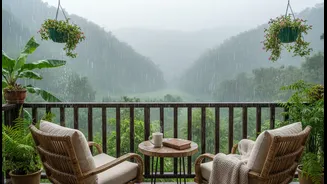
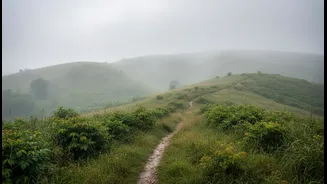
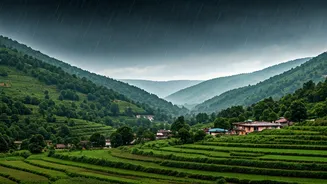
The monsoon naturally encourages a slower, more contemplative rhythm. It’s a time for reading, conversation, and watching the world get washed clean. Homestays are perfectly suited for this pace. Often located in serene settings away from the commercial hustle, they offer a sense of peace and tranquility. There are no packed itineraries or crowded lobbies, just the soothing sound of rain and the freedom to do as little or as much as you like. You can spend an entire afternoon on a porch watching clouds drift over mountains or help your host in their garden. This slower, more meaningful way of travelling allows you to disconnect from the chaos of city life and reconnect with nature and yourself, which is the very essence of a monsoon retreat.
An Experience Rooted in Place
Authenticity in travel is about feeling a genuine connection to a place. Chain hotels sell a standardized product globally, while homestays offer an experience that is deeply and uniquely local. Whether it’s staying in a traditional Keralan tharavadu, a colonial-era bungalow in the hills, or a rustic cottage in a Goan plantation, the accommodation itself becomes a highlight of the trip. You're not just visiting a destination; you're inhabiting a small piece of it. By choosing a homestay, you are also directly supporting local families and economies, contributing to the preservation of the very culture you've come to admire. This creates a more responsible and rewarding travel experience for everyone involved.