




Meet Nilgiri: The Blue Mountain Tea
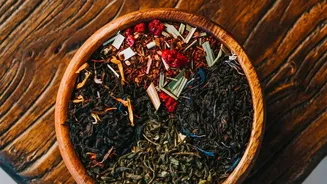
Before understanding the brew, you have to appreciate the leaf. Nilgiri tea comes from the 'Blue Mountains' of Southern India, a region with high altitudes, year-round plucking seasons, and a unique terroir influenced by nearby eucalyptus and spice gardens.
Unlike the bold, malty character of Assam or the musky notes of Darjeeling, Nilgiri tea is celebrated for being exceptionally fragrant, smooth, and light-bodied, with delicate floral and fruity notes. It's known for its natural sweetness and lack of bitterness, making it a prime candidate for preparation methods that highlight subtlety over strength.
Why Heat Can Be the Enemy
When you pour hot water over tea leaves, you're initiating a rapid and aggressive chemical extraction. Heat is incredibly effective at pulling compounds out of the leaf, but it's not very selective. Along with desirable flavors, hot water quickly dissolves tannins and certain catechins, which are responsible for the bitterness and astringency in tea. While some astringency is pleasant, too much can easily overwhelm the nuanced, volatile aromatic compounds that make a tea like Nilgiri special. Furthermore, high temperatures can degrade some heat-sensitive compounds, including L-theanine, an amino acid that contributes to a tea's savory, umami-like sweetness and promotes a feeling of calm focus.
The Gentle Art of Cold Extraction
Cold brewing is a fundamentally different process. Instead of a quick, hot shock, it's a slow, patient infusion over many hours in cold or room-temperature water. The cold water molecules have less energy, acting more like a gentle solvent than a forceful extractor. This gentle process is highly selective. It easily pulls out the smaller, more soluble molecules responsible for aroma and sweetness, like amino acids and certain aromatic compounds. However, the larger, more complex molecules that cause bitterness—specifically tannins and certain catechins like EGCG—are much less soluble in cold water. They are largely left behind in the leaf, resulting in a tea that is naturally smoother and sweeter. This is why cold-brewed tea rarely tastes harsh, even if you steep it for 12 hours or more.
A Healthier, Smoother Sip
The claim that cold brew is healthier is nuanced, but compelling. While hot water extracts a higher total volume of antioxidants, the cold-brewing process appears to be better at preserving the integrity of certain compounds. Because less heat is used, heat-sensitive vitamins and amino acids like L-theanine are better preserved, enhancing the tea's calming effects. The lower extraction of tannins is also a benefit for those with sensitive stomachs or issues with iron absorption, as tannins can sometimes interfere with it. Moreover, cold brewing significantly reduces the amount of caffeine extracted—sometimes by as much as half—making it a perfect all-day beverage that's uplifting without causing jitters. You get a brew that's rich in flavor, gentler on the system, and packed with a unique profile of well-preserved antioxidants.